
Sweden Embarks on Major Hydrogen Production Corridor with High Coast to West Coast Hydrogen Valley
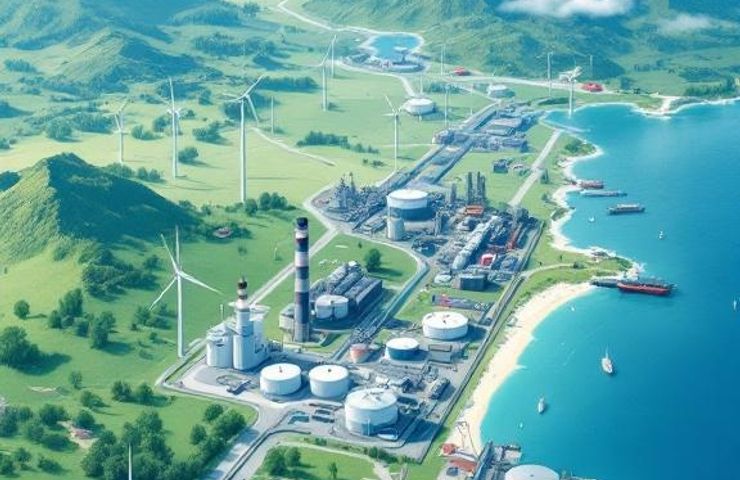
January 25, 2026Ever wondered how Europe might slash its dependency on imported fossil fuels while giving heavy industry a cleaner makeover? Enter Sweden’s new High Coast to West Coast Hydrogen Valley, a game-changing venture kicking off on January 2026. Orchestrated by RISE, this €20 million, six-year, EU-funded initiative is all about linking up renewable hydrogen production in Västernorrland with major industrial hubs on Sweden’s West Coast.
Connecting Production and Demand
The concept is pretty straightforward: bring everyone to the table. A 45-member consortium led by RISE teams up with innovators like Liquid Wind, PowerCell Group and Hydrogen Sweden, alongside local champions such as Ånge Municipality. Their goal? Crank out at least 4 000 tonnes of green hydrogen by 2030—and if all goes well, scale up to a whopping 123 000 tonnes each year.
Multifaceted Technologies
- Green Hydrogen Production: electrolysis powered by wind turbines and hydropower in Västernorrland, turning wind- and water-generated electricity into clean fuel.
- E-Methanol (Electrofuel): Liquid Wind plants in Örnsköldsvik and Umeå blend that green hydrogen with biogenic CO₂ to create a drop-in fuel for shipping and aviation.
- Hydrogen Distribution and Storage Infrastructure: integrated web of pipelines, transport fleets, terminals and hydrogen storage sites, so that hydrogen can flow from where it’s made to where it’s needed without a hitch.
- Hydrogen Valley Ecosystem Model: a circular ecosystem model binding together industry, municipalities and researchers; think shared utilities, channels to reuse leftover oxygen and waste heat fed back into aquaculture and district heating networks.
Strategic Impact
This project plugs right into the EU Hydrogen Strategy and the bloc’s climate-neutrality goals for 2050. Beyond slashing emissions in hard-to-abate sectors like shipping, aviation and ironmaking, it marks a big leap for industrial decarbonization and a major boost to European energy security. In short, it’s not just about cutting carbon—it’s about shoring up Europe’s ability to call the shots on its own energy mix. And with Sweden’s bounty of renewables, we could see green hydrogen production costs rival traditional fuels—although the final price tags are still under wraps.
Regional Context
Västernorrland is a hotspot for large-scale electrolysis thanks to its wind resources, hydropower and industrial heritage. Down on the West Coast, busy ports and steelworks are primed for green hydrogen, e-methanol and other hydrogen-based processes. And by stitching these high-potential spots together with a robust backbone of pipelines and hydrogen infrastructure, we end up with a rock-solid value chain—no gaps, no guesswork.
Partners and Roles
RISE leads the charge, with Magnus Hallberg steering its Bioeconomy Division. Over at Liquid Wind, CEO Claes Fredriksson is all about proving that hydrogen-to-e-methanol can work at scale. PowerCell Group CEO Richard Berkling emphasizes the need for real-world testbeds to iron out the kinks in fuel cell tech. Meanwhile, Hydrogen Sweden’s Björn Aronsson pushes for a fiercely competitive hydrogen economy. And it’s not all talk—Ånge Municipality Chair Erik Lövgren confirms they’re locking arms with European networks to make it happen.
Historical Snapshot
Hydrogen valleys started as small pilots across Europe, but this marks Sweden’s first large-scale commercial debut. Backed by Horizon Europe under the Clean Hydrogen Partnership, it stands on the shoulders of decades of Swedish innovation in renewables and cross-sector teamwork.
Positive Ripple Effects
- Industrial Decarbonization: new low-carbon options for shipping, aviation, ironmaking and fertilizer production.
- Energy Security: cutting reliance on fossil fuel imports.
- Economic Development: jobs sprouting across the hydrogen infrastructure—from production to distribution to advanced manufacturing.
- Technology Leadership: a blueprint ripe for replication in Spain, Greece, Germany and beyond.
- Circular Economy: turning waste heat and oxygen into assets for aquaculture and district heating.
System-Wide Considerations
Of course, nobody said this would be a walk in the park. Scaling up means major grid reinforcements to handle surges of renewable power, tweaks to legacy industrial operations, significant capital funneled into pipelines and hydrogen storage sites, and a whole new crop of technicians trained to integrate these systems seamlessly.
Looking Ahead
If all goes to plan, the HiWhyV project will spend the next six years stress-testing the hydrogen valley model at true commercial scale. Pull this off, and Sweden doesn’t just talk a good game—it cements its reputation as a pioneer in Europe’s nascent hydrogen economy, offering a tried-and-true playbook for other regions itching to turn renewable energy into industrial muscle.
About RISE
RISE is Sweden’s Research Institute for Systems Solutions, pioneering innovation projects across cleantech, bioeconomy and circular economy domains.
 With over 15 years of reporting hydrogen news, we are your premier source for the latest updates and insights in hydrogen and renewable energy.