Taiwan Accelerates National Hydrogen Fuel Cells Standards
January 25, 2026This past month, Taiwan’s Bureau of Standards, Metrology and Inspection (BSMI) wrapped up all 17 CNS national standards for hydrogen fuel cells, covering everything from Proton Exchange Membrane Fuel Cells (PEMFC) to Solid Oxide Fuel Cells (SOFC). By syncing up with the IEC 62282 global guidelines, Taiwan is setting itself up nicely on the road to hit net-zero carbon by 2050. Plus, BSMI’s got plans to build local 100 kW testing facilities and expand the rules to cover mobile grid-connected setups, vehicle-mounted gear and even micro-scale rigs.
Key Insights
- All 17 CNS standards will be done by late 2025—covering single cells, stacks, modules and full systems.
- Tethering with IEC 62282 means Taiwan’s guidelines play nice with international safety and performance checks.
- Having a domestic 100 kW testing lab cuts out the hold-ups and extra costs of sending gear overseas.
- New standards now tackle mobile grid connections, vehicle-mounted units and tiny, micro-scale installations.
- This effort is a major push toward sustainable energy, beefing up energy security and streamlining local hydrogen production on Taiwan’s net-zero by 2050 journey.
Technical Details
Here’s the lowdown on the 17 CNS standards:
- PEMFC: Hydrogen fuels the anode, protons slide through a polymer membrane, electrons spark a current and team up with oxygen at the cathode to make water.
- SOFC: Runs hot—800 to 1,000 °C—letting oxygen ions flow through a solid ceramic electrolyte to oxidize fuel, generating electricity and heat with almost no NOₓ.
- Power Conversion Systems (PCS): Requires checks on sub-100 kW inverters that flip DC from the fuel cell into AC for grid hookup.
These standards spell out everything from safety must-haves and performance targets to testing steps, mirroring the structure of the IEC 62282 series for seamless global alignment.
Strategic Context
Back in 2024, BSMI kicked off an inter-ministerial Hydrogen Energy Standards Working Group to nail down what Taiwan needs, scout best practices worldwide and link arms with government bodies and state-run outfits. Bringing 100 kW test capacity home means local manufacturers can dodge the extra time and bills of overseas certification—great news for anyone dealing in fuel cell technology eyeing exports.
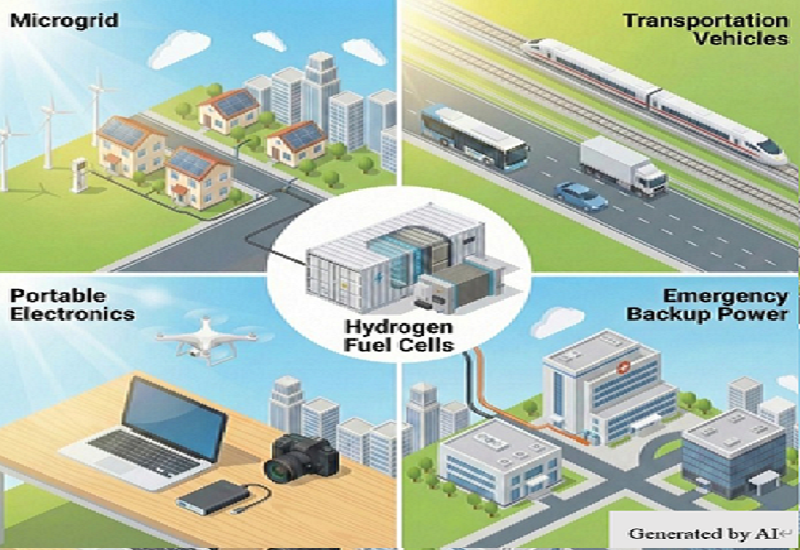
Hydrogen fuel cells pack a punch with high energy density, whisper-quiet operation and zero tailpipe emissions, slotting in perfectly alongside Taiwan’s growing solar, wind and geothermal mix. From supporting micro-grids to powering emergency generators, transport drivetrains and even consumer gadgets, having a solid hydrogen infrastructure is now within reach.
Looking Ahead
BSMI’s not stopping here—expect more tweaks and updates to these CNS standards as international norms shift. Teaming up with the Korea Gas Safety Corporation and regional friends hints at a push for harmonized rules across East Asia. For businesses, this blueprint shrinks product liability headaches, lays out a clear path to market and helps Taiwan stake its claim in the global hydrogen economy.
Now, the real challenge will be firing up those domestic labs and seeing how quickly the industry jumps on board. If everything rolls out as planned, Taiwan could soon be the go-to spot for hydrogen infrastructure testing and certification—setting the bar for other markets racing toward zero-emission technology goals.

 With over 15 years of reporting hydrogen news, we are your premier source for the latest updates and insights in hydrogen and renewable energy.