
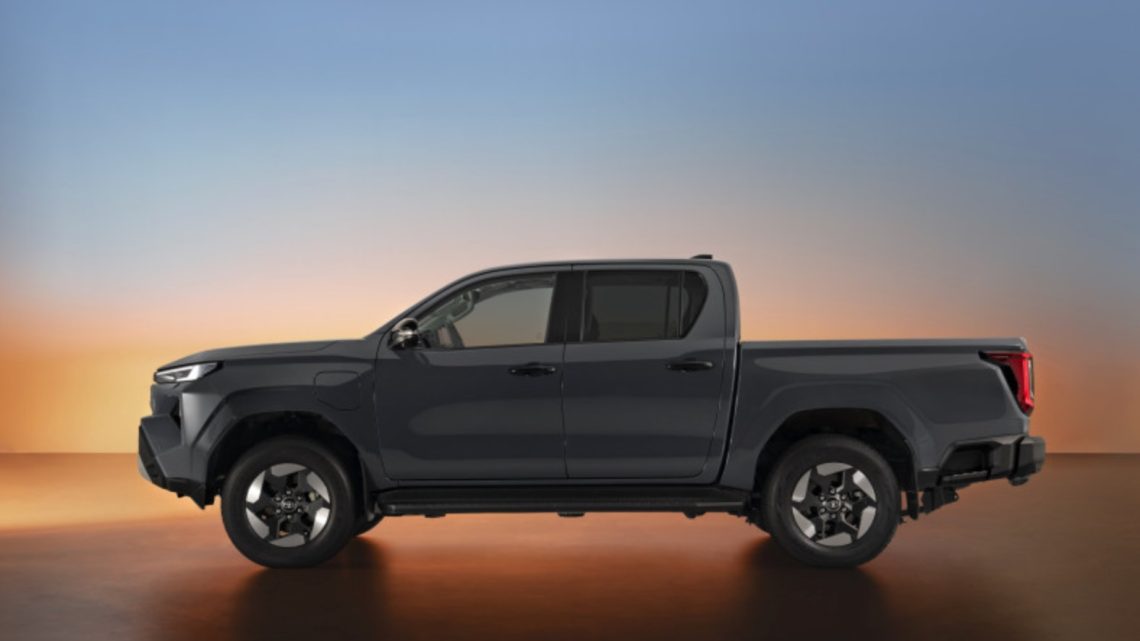
Toyota Hilux BEV Leads the Charge: Ninth-Generation Zero-Emission Pickup Unveiled
January 11, 2026Get this: a pickup that runs on battery power, diesel-hybrid smarts, or hydrogen fuel cells—Toyota’s taken the legendary Ninth-generation Hilux and turned it into the ultimate Zero-emission pickup on all your routes. Picture the iconic Hilux rolling up with a mild 48V diesel hybrid under the hood, an all-electric Toyota Hilux BEV tearing through city streets, and (spoiler alert) a Hydrogen fuel cell Hilux ready for 2028. It’s not sci-fi—it’s Toyota’s Multi-pathway strategy in action, cutting CO₂ without killing the can-do, tough-as-nails spirit that made the Hilux a star.
Imagine a squadron of these Zero-emission pickups cruising both urban jungles and dusty backroads. Same payload, same towing muscle, same off-road swagger—only now, no exhaust fumes. Fasten your seatbelt: the pickup revolution is here!
What This Means
If you’ve ever run a fleet, you know the headache of balancing CO₂ targets against trusty diesel power. Europe’s new emissions laws? They’re unforgiving. Go all-electric, and you face limited range, long charging stops, and payload trade-offs. Enter Toyota’s play: wrap up every powertrain option—battery-electric, diesel hybrid, and (soon) hydrogen—in one beloved chassis. Now, businesses can pick the Hilux that fits their day:
- Toyota Hilux BEV for those urban courier runs or utility tasks where every tailpipe counts.
- 48V diesel hybrid when your route mixes city streets with country miles and you can’t rely on charging points.
- Hydrogen fuel cell Hilux come 2028, for heavy-duty loads and long hauls without charging downtime.
No more forcing a one-size-fits-all solution—just a toolkit that matches each mission. You decide whether to dip a toe into electrification or dive straight into zero-emission territory.
At the Brussels Motor Show, Toyota even dropped the nitty-gritty: WLTP ranges for the BEV, payload numbers, towing specs—all proving that an electric Hilux can hang with the toughest players in the game.
The Technology: The Magic Ingredient
First up, the Toyota Hilux BEV. It tucks a 59.2 kWh lithium-ion battery right into its tried-and-true body-on-frame chassis, driving front and rear eAxles for full-time all-wheel drive. That means instant torque, balanced handling, and whisper-quiet power whether you’re tackling a muddy trail or cruising the highway. Toyota says you’ll get up to 160 miles WLTP combined, and a juicy 236 miles in city runs—enough juice for a day’s worth of deliveries without giving up that rock-solid 715 kg payload or 1.6-tonne towing capacity.
Then there’s the 48V diesel hybrid. Toyota strapped on a belt-driven motor-generator, a compact 48V battery, and a DC-DC converter alongside the trusty 2.8 L diesel engine. The payoff? Smoother take-offs, brake-energy recovery, and around 10% better fuel economy—without shaking up your current fleet ops or hunting for charging spots.
And don’t forget hydrogen. Toyota’s teasing a fuel cell Hilux for Europe in 2028, likely powered by its third-gen commercial fuel cell tech (the same stuff they’ve tested in buses and trucks). Compressed hydrogen feeds a proton-exchange membrane stack, spitting out electricity on demand and only water vapor as a by-product. Fast refills—think minutes, not hours—and long-range chops make it perfect for towing trailers, emergency services, or remote work sites. Word on the street? Prototypes have already been spotted by Carscoops, so testing is full steam ahead.
Strategic Angle
Behind this Multi-pathway strategy is a savvy read of real-world variables:
- Regulatory Diversity: Western Europe is rolling out EV perks and hydrogen hubs, while other markets stick to diesel. Toyota plays region-to-region: BEVs and FCEVs where the infrastructure exists, hybrids where it doesn’t.
- Infrastructure Realities: Charging networks are growing, but heavy-duty chargers and hydrogen stations lag. Offering both options helps fleets choose based on local support.
- Economies of Scale: Building every powertrain on the high-volume Hilux platform slashes costs for batteries, fuel cell stacks, and hybrid parts—making zero-emission pickups more wallet-friendly.
- Fleet Flexibility: Pilot BEVs around town, run hybrids on mixed routes, and plan for hydrogen down the road—without retraining your mechanics or swapping vehicle models.
To top it off, Toyota’s teaming up with European charging network operators and regional authorities to snag subsidies and boost hydrogen infrastructure via EU-backed programs and private investments. In other words: they’re lining up the road, so you can drive on it.
Bottom line? Toyota gives you what you need, exactly when you need it.
Zooming Out
Let’s flashback: the first Hilux rolled off the line in the late ’60s, carving out Toyota’s rep for indestructible reliability. Diesel engines later became its bread and butter, and hybrids arrived as Toyota led the EV charge. Now, we’re welcoming battery and hydrogen options—mirroring the planet’s shift toward carbon neutrality.
This evolution dovetails with Toyota’s broader fuel cell journey. Ever heard of the Mirai sedan? That’s Toyota’s fuel cell foray from years back. They’ve since put fuel cells into buses and trucks around the globe. Rolling that know-how into the Ninth-generation Hilux means lessons learned in public transport and logistics can trickle down to pickups—speeding up adoption and infrastructure build-out.
This isn’t small potatoes—it’s a major milestone. Hardly any other automaker can tout both BEV and FCEV on a body-on-frame pickup today. Toyota’s bet might just set the bar for the industry as it races to hit 2030 and 2050 climate targets.
So, here’s the big ask:
Which path will you take to zero emissions? Need a plug-in electric workhorse for city hops? A diesel-backed hybrid for mixed routes? Or a hydrogen-fueled long-hauler for jobs off the grid? The new Toyota Hilux BEV lineup—and its Hydrogen fuel cell Hilux cousin—are ready to roll, built on decades of Toyota grit and innovation. No rocket science degree required—just the confidence that Hilux’s legendary toughness and off-road prowess are still front and center.
This is more than picking an engine—it’s a blueprint for tomorrow’s commercial vehicles. Fleet managers, farmers, and emergency responders: will you lead the charge or watch from the sidelines?


 With over 15 years of reporting hydrogen news, we are your premier source for the latest updates and insights in hydrogen and renewable energy.
The diesel-battery hybrid won’t be zero-emissions, will it?