Zero-Emission Technology Advances with Singapore’s First Fully Electric, Hydrogen-Ready Harbour Tug
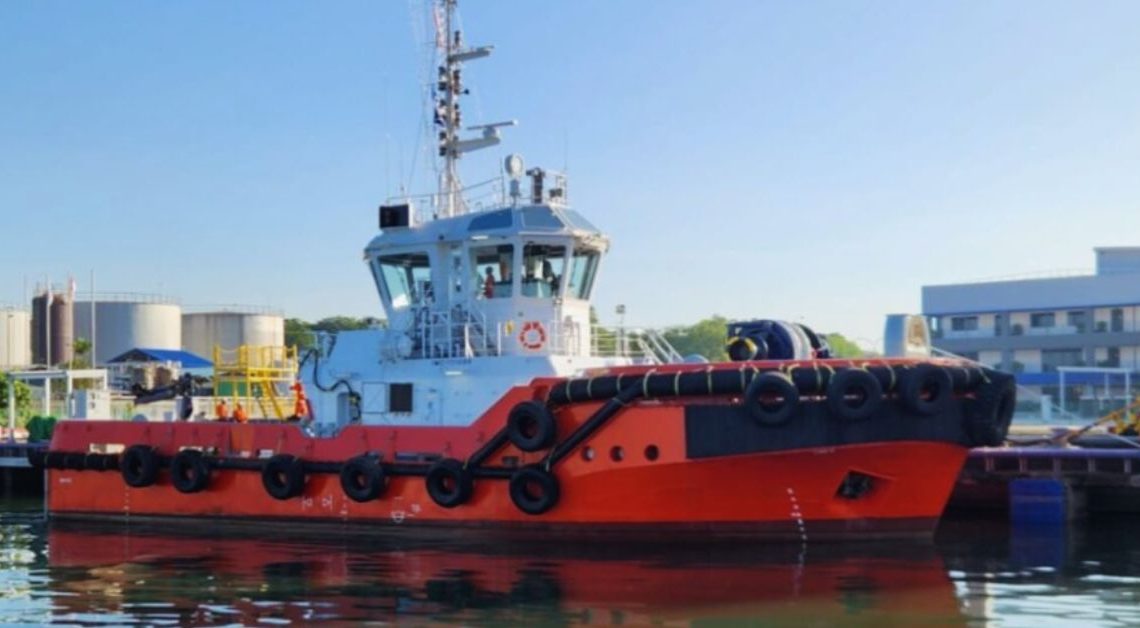
February 26, 2026This month, PaxOcean Group wrapped up the commissioning and naming ceremony for the PXO-ACE-1, which they’re billing as Singapore’s first fully electric harbour tug with a 50-tonne bollard pull. Built at their brand-new Jalan Kaki Bukit shipyard, the vessel packs a 3MWh battery system and an integrated electric propulsion package from ABB. It’s even designed to be hydrogen-ready, ticking all the boxes for the Maritime and Port Authority of Singapore’s push to roll out zero-emission technology on every new harbour craft by 2030. Come April, this tug will head into the busy lanes of Singapore Harbour, feeding real-world data back to port authorities as they fine-tune their electrification playbook.
Contextual background
Singapore consistently ranks among the world’s busiest ports, handling over 37 million TEUs a year. Since its days as a British trading post in the 19th century, maritime trade has powered the city-state’s growth. Today, more than 1,600 harbour craft weave between docks and urban districts, raising concerns about air quality, noise and vibrations. In response, local authorities have stepped up industrial decarbonization efforts and crew welfare initiatives. The 2022 Harbour Craft Emission Control policies kicked off pilot electric ferry programs, setting the stage for the all-electric harbour craft now entering service.
Key takeaways
- The PXO-ACE-1 is Singapore’s first harbour tug with a 50-tonne bollard pull running entirely on a 3MWh battery.
- It features ABB’s Onboard DC Grid™ and PEMS™ for streamlined electric propulsion.
- With a hydrogen-ready layout, it’s primed for future hydrogen fuel cells.
- This marks a big leap in Singapore’s journey toward industrial decarbonization and zero-emission technology.
- It meets the Maritime and Port Authority of Singapore’s 2030 mandate for new harbour craft to run on electric, B100 or other net-zero fuels.
- It sets a blueprint for other Asian ports eyeing sustainable energy transitions.
Technical dive
Under the hood, the tug’s propulsion hinges on ABB’s Onboard DC Grid™, driven by the PEMS™ (Power and Energy Management System). In plain terms, the high-power 3MWh battery feeds a direct-current network, skipping extra AC/DC conversions to slash energy losses and handle the instant torque towing demands.
Those batteries use lithium-titanate-oxide cells, prized for their rapid charge/discharge rates and long cycle life—exactly what you need when every second counts on the water. Meanwhile, the hull and machinery spaces are laid out for quick installation of hydrogen fuel cells and tanks down the road. This forward-thinking approach dovetails perfectly with Singapore’s broader bet on hydrogen infrastructure.
Strategic partnership
PaxOcean Group, a subsidiary of Kuok Maritime Group, led this project at its new Jalan Kaki Bukit yard. Partnering with ABB let them tap global expertise in marine electrification without sacrificing performance. ABB’s local business line manager points out that the tug’s modular design and scalable software controls could become Asia’s go-to template for electrification.
Regulatory alignment
This project answers the Maritime and Port Authority of Singapore’s emission-control rules introduced in 2022. By 2030, all new harbour craft must be capable of running on electric power, B100 biofuel or another net-zero fuel. The PXO-ACE-1 not only ticks those boxes but kicks things off with a pure battery-electric run, leaving the door wide open for hydrogen and other clean fuels later.
Operational and environmental impacts
Switching from diesel to electric wipes out local exhaust emissions—no more nitrogen oxides or soot—so the air gets a lot cleaner for dock workers and neighbours alike. The quieter, low-vibration ride also boosts crew comfort and protects delicate onboard gear. As trials roll out, data on energy use, charging cycles and maintenance will feed into plans to retrofit or replace up to 1,600 harbour craft in Singapore, helping to drive down life-cycle costs and accelerate adoption of sustainable energy solutions across ports.
Challenges and considerations
Of course, scaling up electric tugs comes with its own hurdles. Shore-side charging infrastructure must handle multi-megawatt loads without throwing a wrench in port operations. Battery life-cycle management—from sourcing and recycling to second-life uses—still needs ironing out. Plus, stakeholders will have to nail down safety protocols, clear guidelines for hydrogen handling and seamless integration with existing port logistics.
Looking ahead
By staking a claim in both electric and hydrogen-ready operations, PaxOcean Group and ABB are positioning themselves at the forefront of maritime decarbonization. Expect shipbuilders and port authorities across Asia to keep a close eye on the PXO-ACE-1. If it performs as promised, it could spur fresh investments in hydrogen infrastructure and hydrogen fuel cells, especially for short-haul harbour work.
As green hydrogen production scales up—think electrolysis powered by renewables—harbours could evolve into multi-modal clean energy hubs. Soon, ports might not just juice up tugs and ferries but also refuel bunker vessels running on ammonia or other zero-carbon fuels. This tug is a tangible step toward that future.
About the Company
PaxOcean Group is a Singapore-based shipbuilder specializing in harbour tugs and offshore vessels, operating under the umbrella of the Kuok Maritime Group. ABB is a global leader in electrification and automation technologies, from marine propulsion to onshore infrastructure. Their collaboration underscores both firms’ commitment to industrial decarbonization and zero-emission technology in the maritime sector.
Conclusion
The launch of the PXO-ACE-1 proves that when shipyards, tech partners and regulators team up, you can turn big ambitions into reality. Zero-emission technology isn’t just a buzzword anymore—it’s setting sail and reshaping the future of maritime operations.
 With over 15 years of reporting hydrogen news, we are your premier source for the latest updates and insights in hydrogen and renewable energy.