Exploring the Future of Offshore Green Hydrogen in the Dutch North Sea
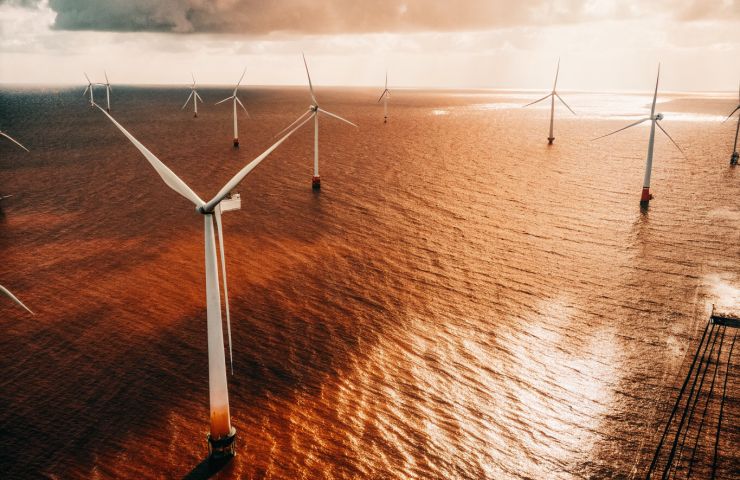
June 15, 2026Hydrogen of Dutch Origin (H2DO) is diving into an exciting project that looks to tap into offshore green hydrogen production in the beautiful Dutch North Sea. This exciting undertaking isn’t just a one-off; it’s part of a larger game plan to use the power of offshore wind to whip up hydrogen right out at sea. The vision here? To create a scalable energy solution that really makes a dent in the region’s decarbonization efforts.
So, what’s on the agenda with this ambitious feasibility and concept study? They’re aiming for a scale of 30–50 MW, and it’s more than just tinkering with hydrogen production. This is about shaking up energy frameworks and paving the way for a thriving market for green hydrogen in North-West Europe. The idea is to harness electricity from those bountiful offshore winds to electrolyze seawater, whipping up hydrogen which can then be sent back to shore via a pipeline. It’s a clever solution to those pesky issues of grid congestion and not having enough land to play with.
Why Offshore Hydrogen Matters
The North Sea is turning into a hotspot for energy transition thanks to its impressive offshore wind potential. By shifting to offshore hydrogen production, H2DO wants to ease the burden on onshore power grids—an important move as more renewables come on board. This project dovetails perfectly with Dutch energy policy, which is all about weaving together different energy sources into a smart system that capitalizes on the region’s strengths, especially in maritime activities and renewable energy setups.
As global decarbonization efforts ramp up, finding effective and efficient ways to produce clean hydrogen is becoming increasingly vital. H2DO’s study aims to show that offshore hydrogen production can hold its own against traditional onshore methods, potentially smoothing out those pesky supply chain and energy distribution headaches.
Technical Insights and Innovation
The project is rolling out some pretty cutting-edge technology, starting with electrolysis—the core process for making green hydrogen. By harnessing renewable electricity from offshore wind, these electrolyzers will be at sea, converting water into hydrogen and oxygen. This approach skips the energy losses that usually happen when you transport electricity back to shore for onshore electrolysis.
Another exciting piece of this puzzle is the upcoming pipeline export system, which will transport hydrogen back to land. This innovative setup goes beyond the limitations of traditional power cables, boosting logistics efficiency and keeping costs in check, thus tackling a few real-world challenges hindering the widespread rollout of hydrogen.
Collaborative Efforts in the Hydrogen Ecosystem
This study has some great backing from the Topsector Energie (TSE), a government-supported initiative that sparks innovation in the Netherlands’ energy transition. Alongside H2DO, players like RWE and TNO are also exploring offshore hydrogen through various pilot projects, such as PosHYdon, which has already showcased the technical feasibility of generating hydrogen on an operational gas platform.
This collaborative approach is vital, showcasing the power of teamwork between the public and private sectors to build a robust infrastructure around hydrogen production. Other partners, like Neptune Energy, are amplifying this ecosystem, highlighting strong interest and investment towards making a sustainable hydrogen economy a reality.
Challenges Ahead
Even though the future of offshore green hydrogen looks bright, there are still a few bumps in the road. One hot topic in the community is whether offshore hydrogen can stack up economically against onshore electrolysis. With various studies presenting differing views on economic viability, figuring out the answer will be a major focus for H2DO as they gear up for the final study and move into the FEED (Front End Engineering Design) phase.
Beyond the numbers, there are environmental impacts, regulatory hoops to jump through, and public opinion to consider—all vital pieces in validating the future of offshore hydrogen projects. The spatial planning and permits necessary to build a cohesive hydrogen-centric infrastructure in the North Sea can’t be overlooked; it’ll take a synchronized effort from all stakeholders involved.
But at the end of the day, this study signifies an essential step in our journey toward sustainable energy solutions. By exploring whether offshore hydrogen truly stands as a better option—looking closely at logistics, costs, and environmental impacts—H2DO is placing itself right at the forefront of a transforming energy landscape.
As we push toward a zero-emission future, the potential of offshore hydrogen production might just change the game for how we produce and consume energy in Europe, possibly setting groundbreaking standards for green hydrogen’s role in industrial decarbonization.

 With over 15 years of reporting hydrogen news, we are your premier source for the latest updates and insights in hydrogen and renewable energy.