FPH2 Expands Renewable Hydrogen Supply Partnerships in California
FPH2 expands renewable hydrogen partnerships across California, leveraging solar electrolytic and biogenic hydrogen to power public fleets, data centers, and enhance energy resilience.
This month, First Public Hydrogen Authority (FPH2) announced it’s widening its renewable hydrogen supply network across California. They’ve brought together top electrolytic hydrogen and biogenic hydrogen developers to pump out zero-emission fuel for public fleets, data centers, transit agencies, ports, and other stationary power users. By blending solar power with waste feedstocks, this initiative is all about a diverse in-state hydrogen lineup—perfectly in sync with California’s clean energy roadmap.
FPH2 came to life in late 2024 as a Joint Powers Authority, with cities like Lancaster, Industry, Montebello, Shafter, and Fresno teaming up to aggregate demand and nail down a steady supply. Under the watchful eye of CEO Jason Caudle, they’re aiming to hit roughly 20,000 tons of clean hydrogen by mid-2025. That scale gives producers the confidence to secure financing for new plants, while public agencies benefit from leaner, more predictable costs.
The strategy is straightforward but mighty—pool public demand to de-risk investment and kickstart a scalable market. FPH2 locks in long-term offtake agreements with hydrogen producers, so deliveries happen exactly when and where they’re needed. That peace of mind lets cities, agencies, and public fleets adopt fuel cell vehicles, microgrids, and stationary power setups without a hitch.
It’s not just about building the supply chain—FPH2 is also diving into pilot projects and grant-writing. They’re teaming up with transit authorities to roll out fueling stations and guiding data centers as they explore hydrogen backup power. By running technical studies side by side and sharing what they learn, they’re speeding up renewable hydrogen adoption right in local communities.
Electrolytic Hydrogen: Powered by the Sun
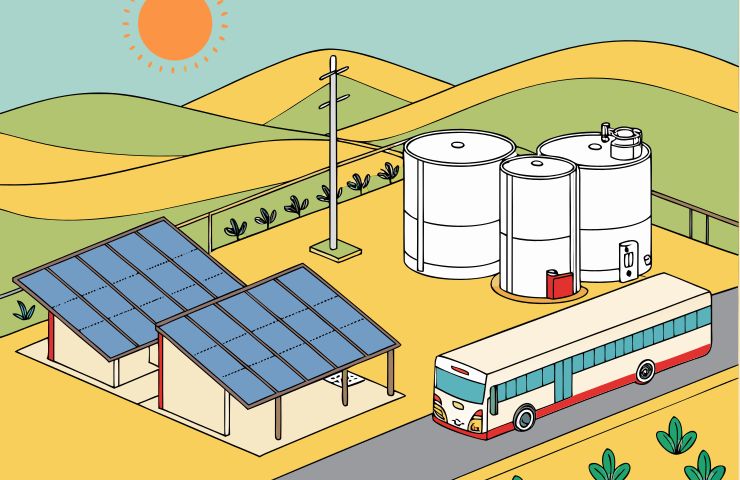
One of the portfolio’s shining stars is electrolytic hydrogen made with solar panels onsite. Here’s the gist: solar electricity runs an electrolyzer that splits water into hydrogen and oxygen, giving you a zero-emission fuel produced right where you need it. It’s a neat closed-loop trick that turns sunlight straight into clean gas.
Out in Los Angeles County, Elemental Clean Fuels has snapped up land to build a solar-powered hydrogen plant in partnership with FPH2. This setup feeds stationary users like data centers and microgrids, while topping off transit buses and light-duty trucks. By soaking up midday solar peaks, the facility helps stabilize the grid and keeps hydrogen flowing long after the sun dips below the horizon.
Made in California for California’s future, this project also creates local jobs—from construction crews to operations and maintenance teams. Contractors and manufacturing partners are flexing their home-state talents to deliver everything from solar arrays to electrolysis systems.
Biogenic Hydrogen: Turning Waste into Fuel
The second big pillar is biogenic hydrogen, where sustainably sourced waste—think woody debris from wildfire mitigation or leftover ag residues—gets transformed into hydrogen through gasification or reforming. It’s a two-for-one environmental win.
By turning organic leftovers into fuel, we’re tackling wildfire risks, cutting landfill methane, and feeding a renewable hydrogen supply chain. It’s a real-world solution: cleaner air and fewer fire hazards for communities, and a smart use of resources that would otherwise go to waste.
And when the sun’s not shining, biogenic hydrogen plants can pick up the slack, offering a steady supply around the clock. Plus, using local organic waste props up regional agriculture and forestry by opening new markets for byproducts.
Solving Real-World Problems for Public Fleets and Beyond
Transit agencies are in line for early wins. Zero-emission buses and support vehicles can top off with guaranteed hydrogen, slashing tailpipe pollutants in busy urban corridors. FPH2 works hand-in-hand with agencies to map out fueling stations, train staff, and schedule deliveries—tapping into local transit know-how to keep things running smoothly.
Ports and logistics hubs stand to gain, too, as fuel cell yard tractors and cargo vehicles swap diesel for hydrogen. Cleaner air around ports means healthier neighborhoods, and businesses get reliable, emission-free operations.
Meanwhile, data centers see a boost in energy resilience. When the grid flickers, fuel cells powered by renewable hydrogen kick in, keeping servers humming without a spike in emissions. For companies that can’t afford downtime, that backup is crucial—and it aligns perfectly with California’s push for a diverse, resilient energy mix.
Economic and Environmental Benefits
There’s a solid economic upside, too. Building new hydrogen plants creates construction gigs, and once they’re up and running, engineers and technicians keep them humming. As projects scale, we’ll see more demand for fabrication, logistics, and technical services—giving local economies a real shot in the arm.
On the environmental side, these green hydrogen pathways—especially when you mix solar electrolytic hydrogen with biogenic approaches—are nearly zero-carbon. Solar electrolysis wipes out greenhouse gases, and converting waste slashes methane leaks and eases landfill burdens. It’s a whole-systems approach to decarbonizing sectors that have traditionally leaned on fossil fuels.
And thanks to those long-term contracts, FPH2 helps keep prices steady—financial predictability that public fleets and agencies need to plan big vehicle rollouts and infrastructure upgrades without sweating fuel cost swings.
Looking Ahead: Scaling a Sustainable Hydrogen Economy
With these expanded renewable hydrogen supply partnerships, FPH2 is laying the tracks for broad market growth. As more public and private players hop on board, the ecosystem will mature—drawing fresh investment and driving costs down even further. This collaborative blueprint could be a game-changer for other states, cementing California’s role as a leader in hydrogen infrastructure.
Of course, there’s still work to do: more filling stations to build, storage solutions to refine, and permitting to streamline. But by pooling resources and sharing risk, FPH2 is tackling those hurdles head-on. It’s a testament to what happens when cities, agencies, and companies rally around a shared vision.
In the end, this isn’t just about hydrogen—it’s about using clean tech to solve real-world problems and ensure a healthier, more resilient future for California communities. We’re talking public fleets rolling on green hydrogen, data centers humming through power hiccups, and waste materials getting a fresh lease on life. That’s the kind of innovation that makes a difference, mile after mile and kilowatt after kilowatt.
As these projects inch closer to reality, you’ll start seeing details on site locations, delivery timetables, and partnering agencies. One thing’s for sure: renewable hydrogen isn’t just a buzzword—it’s a living, breathing part of California’s energy landscape, powering us forward under sunny skies and across resource-rich regions.