Green Hydrogen Production Expands to Namibia with Plug Power’s 5 MW GenEco Electrolyzer
January 5, 2026When Plug Power and Cleanergy Solutions Namibia flipped the switch on a 5 MW GenEco Electrolyzer at Walvis Bay on December, 2025, they did more than launch another project—they kicked off one of Africa’s first fully integrated commercial green hydrogen facility. Powered entirely by renewables, it’s a living blueprint for ports across the continent eager to cut fossil fuel use and shrink their carbon footprints, driving real industrial decarbonization.
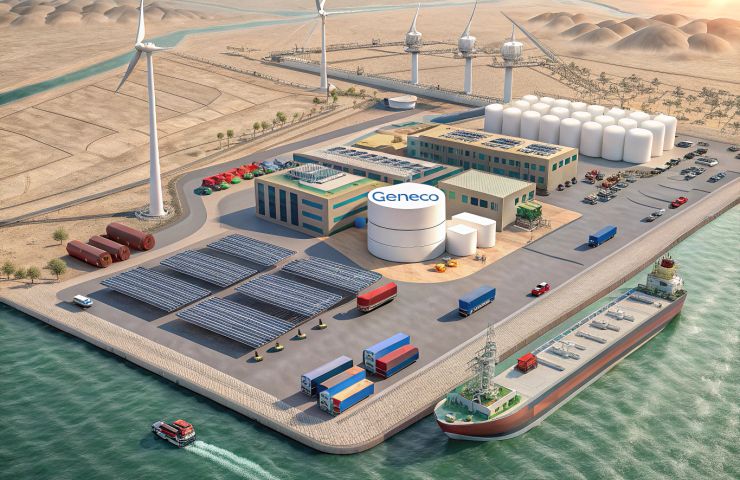
Strategically tucked into Namibia’s main export hub, this site pumps out high-purity hydrogen—via on-site electrolysis—to fuel yard trucks, cargo cranes and small vessels. It’s a huge leap toward sustainable energy in a region blessed with sun and wind, showing how cross-sector integration—from logistics fleets to dockside machinery—can transform emerging markets.
System Design and Technical Overview
At the heart of Walvis Bay’s setup sits Plug Power’s modular GenEco Electrolyzer, a 5 MW unit that uses electricity from adjacent solar arrays and wind farms to split water into hydrogen and oxygen. Running full tilt, it churns out about two tons of green hydrogen a day—enough to keep over 40 heavy-duty port trucks rolling 24/7. The oxygen byproduct? It’s either vented safely or captured for industrial purposes.
The electrolyzer consumes roughly nine liters of water per kilogram of hydrogen and occupies about 500 m²—think a small warehouse filled with power conditioning units and a control room humming with AI-driven diagnostics. Built around a proton exchange membrane (PEM), it hits up to 2 A/cm², balancing efficiency with throughput. Plug Power estimates a stack lifetime of 40,000 operating hours before module swaps are needed—no major construction required. With an initial capex near $900 per kW, the plan is to drive costs down via modular scaling, serial manufacturing and shared infrastructure. Plus, the hybrid grid hookup seamlessly toggles between solar, wind or conventional power, smoothing out the intermittency blues.
Strategic Expansion and Market Position
For Plug Power, which already boasts over 230 MW of electrolyzer deployments worldwide, Walvis Bay isn’t just another tick on the map—it’s their big splash into Sub-Saharan Africa. It follows recent rollouts like a 25 MW Spanish venture with Iberdrola and BP, plus expanded capacity in Georgia, Tennessee and Louisiana, totaling more than 40 tons per day.
Backing this push are U.S. incentives such as the Inflation Reduction Act and the prospect of a $1.6 billion DOE loan, letting Plug Power absorb hefty upfront costs while still offering competitive hydrogen pricing. “Tapping Sub-Saharan Africa proves green hydrogen can thrive wherever there’s sun, wind and political will,” says Todd Becker, the CEO. Their African pipeline already tops 1 GW in electrolyzer proposals, with mining firms and national planners lining up.
By leveraging Africa’s abundant renewables and global incentives, Plug Power is not only hedging policy risks but also staking a claim in a market projected to grow at a 56.75% CAGR through 2030. It’s classic portfolio diversification with an eye on long-term gains.
Local Impact and Regional Context
Walvis Bay—once a South African enclave until Namibia’s 1994 independence—serves about 65,000 residents and exports uranium, fish and more. Its reliably sunny climate and strong offshore winds make it an obvious choice for green hydrogen production.
Beyond cutting emissions, the project created some 150 direct construction and startup jobs and another 200 indirect roles in logistics, engineering and manufacturing. Cleanergy Solutions Namibia is teaming up with local vocational institutes to train technicians in fuel cell maintenance and system operations. Looking ahead, surplus hydrogen could be shipped to Europe as ammonia, tapping the booming market for clean fertilizer and marine fuels. This approach strengthens local supply chains, attracts foreign investment and positions Namibia as a leader in Africa’s green hydrogen economy.
Broader Implications and Industry Trends
Projects like Walvis Bay underscore the critical role of green hydrogen and robust hydrogen infrastructure in decarbonizing hard-to-abate sectors—think maritime transport and heavy industry. As ports worldwide chase zero-emission goals, Namibia’s template could be replicated in other emerging markets. We’re already seeing pilots in Mauritania and Europe’s HyDeal initiative gaining steam. On the policy side, the EU’s Carbon Border Adjustment Mechanism may further boost demand for low-carbon imports, sweetening the export case for Namibian hydrogen or ammonia.
Meanwhile, Plug Power’s $2.8 million NASA contract for high-purity hydrogen highlights the tech’s versatility—from fueling warehouse forklifts to supporting space applications. Wins like these keep investor confidence high as the company navigates its ongoing $1.6 billion DOE loan discussions.
Looking Ahead
What’s next on the horizon? Will ammonia synthesis or hydrogen-fuel-cell shipping keep the momentum going? Plug Power and Cleanergy Solutions Namibia are already planning a second phase to double capacity to 10 MW and add co-located ammonia synthesis units. There’s even talk of hydrogen-fuel-cell vessels calling at Walvis Bay—imagine zero-emission ships docking and refueling. If it all comes together, Namibia could anchor a network of regional hydrogen hubs, tying inland dry ports to coastal terminals and writing a new chapter in Africa’s sustainable energy journey.
About Plug Power
Plug Power, founded in 1997 in the U.S., specializes in green hydrogen production, electrolyzers and fuel cell systems. The company has deployed over 230 MW of electrolyzers globally and produces more than 4,600 metric tons of hydrogen each year across its U.S. facilities in Georgia, Tennessee and Louisiana.
 With over 15 years of reporting hydrogen news, we are your premier source for the latest updates and insights in hydrogen and renewable energy.