Hydrogen Council Announces New Board Composition to Drive Clean Hydrogen Deployment
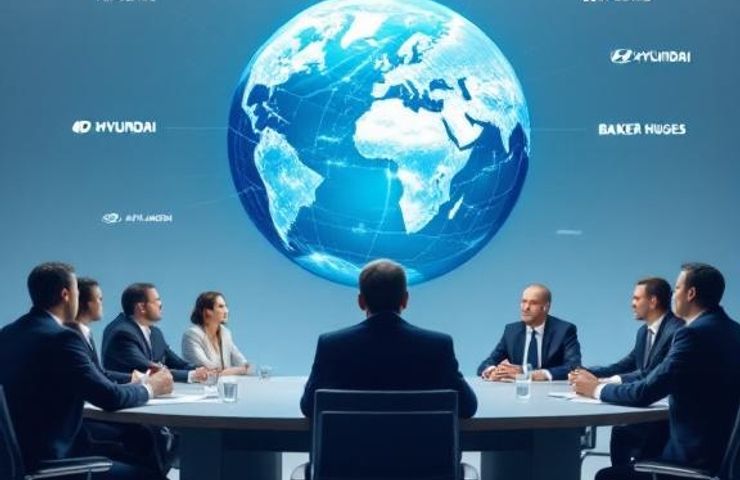
January 22, 2026In a bold move that signals a shift from roadmaps to real-world action, the Hydrogen Council rolled out its revamped Board earlier this month. Leading the charge, Co-Chairs François Jackow (CEO of Air Liquide) and Jaehoon Chang (Vice Chair of Hyundai Motor Group) will steer a team of 15 top executives covering every link in the hydrogen value chain—from hydrogen production to end use. You might’ve noticed Baker Hughes jumping on board, while long-standing members Johnson Matthey, Sasol, Sinopec and Topsoe are back with fresh mandates. With its Lead, Build, Deliver mantra, the Council is making it crystal clear: hydrogen deployment isn’t a matter of “if” anymore—it’s a matter of “when.”
Balancing Energy and Automotive Expertise
Ever wondered why having two co-chairs matters? By tapping François Jackow and Jaehoon Chang, the Council brings together two essential skill sets. Jackow’s spent decades scaling up electrolyzers, managing hydrogen production facilities and striking distribution deals across Europe, North America and Asia. Chang, on the flip side, has taken Hyundai’s hydrogen fuel-cell cars from neat prototypes to actual fleets on the road, navigating consumer preferences, fueling logistics and transport regulations along the way. Put them together and you get a mix of big-picture strategy and boots-on-the-ground rollout know-how—exactly what you need to turn plans into projects.
A Truly Global, Cross-Sector Lineup
The new Board is about as international as they come, pulling talent from six continents. Here’s who’s in the mix:
- Air Liquide (France) – Co-Chair
- Hyundai Motor Group (South Korea) – Co-Chair
- Baker Hughes (US) – Energy tech and infrastructure whiz
- Johnson Matthey (UK) – Catalyst experts
- Sasol (South Africa) – Industrial hydrogen producers
- Sinopec (China) – Big in hydrogen and petrochemicals
- Topsoe (Denmark) – Catalysis and ammonia tech
- Cummins (US) – Fuel-cell systems and hydrogen engines
- Linde (Germany) – Liquefaction and distribution tech
- Kawasaki Heavy Industries (Japan) – Cryogenic transport
- Masdar (UAE) – First Middle Eastern member driving regional projects
- Siemens Energy (Germany) – Electrolyzer specialists
- Yara Clean Ammonia (Norway) – Ammonia-as-carrier innovators
- Toyota Motor Corporation (Japan) – Fuel-cell vehicle pioneers
- Valterra Platinum (US) – Energy transition solutions
From Roadmaps to Results
If you’ve been watching the clean energy scene, you know hydrogen’s been stuck in “promise limbo” for too long—snazzy reports, big targets and pilots, but not much scaling up. The Council’s Lead, Build, Deliver framework flips that story. They’re talking clear timelines, funding commitments and policy blueprints that cover everything from renewable-powered electrolyzers to hydrogen infrastructure like liquefaction plants, refueling stations and heavy-duty fleets. Word is, capital backing for clean hydrogen has jumped tenfold in five years—solid proof there’s serious money on the table. Now the challenge is syncing those dollars with construction permits, supply chains and customer contracts. Nail that, and the industry’s street cred will shoot through the roof.
Connecting the Dots of the Value Chain
Think of the Board as your one-stop shop for hydrogen’s full cycle:
- Electrolysis: Siemens Energy brings next-gen electrolyzers that sip less power per kilo of hydrogen.
- Catalysts: Johnson Matthey and Topsoe crank up reaction speeds for hydrogen and ammonia synthesis.
- Liquefaction: Linde and Kawasaki Heavy Industries handle cryogenic cooling and transport—so you can ship hydrogen worldwide.
- End Use: Toyota, Hyundai and Cummins scale fuel-cell tech—from passenger cars to grid backup gear.
Geopolitical and Regional Ramifications
There’s more than just business here. Masdar joining as the first Middle Eastern board member isn’t just PR—it shows oil-exporting nations see hydrogen as their next big export. In Asia-Pacific, heavy hitters like Sinopec, Hyundai and Toyota are locked in a race to dominate zero-emission transport—from cars to ships to power plants. Over in Europe, energy giants are betting on hydrogen to decarbonize steel, refineries and chemical complexes. North America’s focus? Locking in federal incentives, financing massive projects and keeping supply chains local—where players like Baker Hughes and Valterra Platinum now have seats at the table.
Shaping Policy and Standards
It’s no accident that so many members are policy powerhouses. Together, they’ll guide governments on weaving hydrogen into climate plans and syncing up safety and technical norms. Rolling out gigawatts of electrolyzers and miles of pipelines isn’t a weekend DIY job.
Looking Ahead
What’s next? The real litmus test arrives at the Council’s Global CEO Summit. Expect an updated “Hydrogen 2030: Lead.Build.Deliver” playbook, plus announcements on gigawatt-scale electrolyzer tenders, coalition-backed hydrogen corridors and fresh policy packs designed to unlock private capital. If this Board means business, 2026 should be the year hydrogen jumps from boardrooms into pipelines—and onto pump nozzles.
About the Hydrogen Council
The Hydrogen Council is the world’s biggest CEO-led alliance focused on hydrogen’s role in hitting net-zero goals. Since day one, it’s grown into a 15-member Board spanning energy, automotive, chemicals and tech sectors across six continents. By marrying private-sector muscle with public policy, the Council’s mission is to speed up hydrogen production projects, standardize regulations and spark sustainable growth.
 With over 15 years of reporting hydrogen news, we are your premier source for the latest updates and insights in hydrogen and renewable energy.