Hydrogen Fuel Cells on FPSOs: MODEC, Eld Energy & Delta Electronics Forge SOFC Partnership
February 3, 2026Ever wondered if our offshore rigs could hum along on hydrogen power? On January 29, 2026, a trio of industry heavyweights dropped a plan that might just change the game for marine power generation.
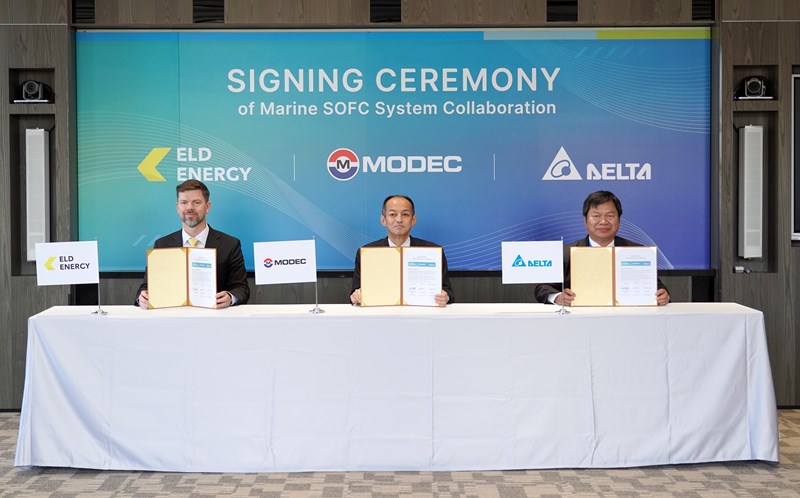
MODEC, Inc. (Japan), Eld Energy AS (Norway) and Delta Electronics, Inc. (Taiwan) sealed a Statement of Strategic Intent at Delta’s Tainan Plant 2. The goal? To team up on a 120 kW Solid Oxide Fuel Cell (SOFC) system built for Floating Production, Storage and Offloading (FPSO) units and other offshore setups. Delta will crank out the steel-supported SOFC stacks, power conversion systems and converters. Eld Energy will piece these parts into a full-blown power module ready for rough seas. MODEC steps in with feasibility studies and handles the FPSO tweaks, eyeing onshore prototype tests in 2027.
MODEC has been in the FPSO business since 1968, designing and running floating production vessels all over the globe. Lately, they’ve been weaving sustainable energy into their mission, chasing ways to trim greenhouse gases without skipping a beat in oil and gas output. At the signing, Koichi Matsumiya, MODEC’s CTO, said this partnership is a clear sign they’re serious about maritime decarbonization.
Eld Energy lives and breathes hydrogen and fuel cell technology, especially on the high seas. Based in Norway, they’re all about making SOFC solutions that can stand up to salt spray and big waves. Their prototypes use high-temp chemistry—mixing oxygen and hydrogen to generate juice with barely any emissions. According to Hans Fredrik Lindøen-Kjellnes, Eld Energy’s CEO, slapping SOFC systems on ships should bump up efficiency and keep power steady.
Then there’s Delta Electronics, a 1971 startup turned global powerhouse in power and thermal management. Their Hydrogen Energy Business Division aims to pump out SOFC stacks at scale by late 2026. At Tainan Plant 2, they demoed their latest steel-backed stacks, built for both shore-side and sea-going gigs. Dr. Charles Tsai, the division’s GM, highlighted that cranking up production could open doors for hydrogen fuel cells in all sorts of energy-hungry settings.
Fuel cells aren’t brand-new—they’ve been lighting up stationary sites, transport and data centers for years. But dropping a 120 kW SOFC onto an FPSO? That’s a first. It merges MODEC’s 50-plus years in offshore operations with Delta’s push for scalable hydrogen and Eld Energy’s saltwater savvy. The move comes hot on the heels of the Paris Agreement, as the oil-and-gas world hunts for ways to clean up without losing reliability. It’s also a nod to the International Maritime Organization’s target: slashing GHG emissions by at least 50% by 2050.
Policy and Market Drivers
Tougher marine emissions rules are nudging operators toward low-carbon hacks. At the same time, green hydrogen production is getting cheaper and fuel cell manufacturing more efficient. Businesses plugging into net-zero pledges and investors watching environmental metrics are giving extra push to pilots like this. In short, the stars are aligning for hydrogen fuel cells in the marine sector.
Technical Dive: SOFC for Offshore Use
A solid oxide fuel cell works by streaming hydrogen and oxygen across ceramic or steel-supported electrodes at over 600°C. That heat-driven reaction nets electricity at more than 60% efficiency—and if you recover the waste heat, you can hit up to 85%. Pair that with rock-solid reliability, and you’ve got a strong case for offshore power where room is tight and refueling can be a headache.
- Steel-supported stack: beefs up mechanical durability against constant rolling and vibrations.
- Power Conversion System (PCS): tweaks the DC output to play nice with FPSO electrical setups.
- Containerized module design: standardizes hookups, making retrofits and maintenance a breeze.
Delta’s plan to hit mass-production by late 2026 hints prices could drop fast—and set the stage for those 2027 test runs and beyond.
Strategic and Environmental Impact
Swapping or topping up diesel generators with SOFC modules could seriously cut GHG emissions on offshore facilities. FPSOs now burn a lot of heavy fuel oil or diesel just for auxiliary power, which adds a hefty chunk to total emissions. By bringing in hydrogen fuel cells, operators can slash CO2, NOx and particulate pollution—a big win for remote marine spots.
This isn’t a charity project. It’s a balancing act between keeping oil and gas flowing and chasing net-zero goals. It gives operators a middle ground: you’re not dumping fossil fuels entirely, but you’re showing real progress on emissions and innovation.
Business Angle: Partnership Dynamics
Here’s the drill under their Statement of Strategic Intent:
- MODEC: steers FPSO adaptations, handles regulatory green lights and integration planning.
- Eld Energy: owns system integration, performance tests and offshore qualification.
- Delta Electronics: covers SOFC stack manufacturing, quality checks and supply chain logistics.
They didn’t spill the financials or lock in hard deadlines, but each has committed funding, resources and project management up front. This kind of tag-team is becoming standard in the marine world to spread risk on tough tech demos.
Key Benefits at a Glance
- High electrical efficiency: over 60% conversion rates, up to 85% with waste-heat recovery.
- Lower emissions: cuts in CO2, NOx and particulates versus diesel gensets.
- Scalability: modular design means you can add power in bites.
- Reliability: steel-supported stacks shrug off the harshest offshore conditions.
- Competitive costs: target to mass-produce by late 2026 hints at falling prices.
Next Steps and Forward Look
All three firms will kick off onshore prototype trials in 2027—think safety, durability and performance checks under simulated sea conditions. If they pass muster, sea trials on a real FPSO are next, pending any design tweaks and regulatory thumbs-up. Keep an eye on grid integration, hydrogen storage logistics and maintenance playbooks.
Pulling this off could open doors on offshore wind support vessels, LNG carriers and even land-based microgrids, showing just how versatile fuel cell technology can be.
By teaming up MODEC’s offshore chops, Eld Energy’s SOFC prowess and Delta Electronics’ manufacturing muscle, this venture lays out a realistic roadmap for maritime decarbonization. It proves you can slot hydrogen fuel cells into existing platforms, not just on paper but in real-world operations. The onshore tests in 2027 will be the real test—will this bold plan clear the technical and commercial hurdles? Watch the regulatory feedback and cost data—they’ll tell us if hydrogen is ready to power the next wave of offshore energy.


 With over 15 years of reporting hydrogen news, we are your premier source for the latest updates and insights in hydrogen and renewable energy.