Hydrogen Infrastructure Expands with New Logistics Hub in Bernau
A new hydrogen logistics hub in Bernau, Brandenburg, features a refueling station for waste collection vehicles and buses, advancing Germany’s sustainable mobility goals under its National Hydrogen Strategy.
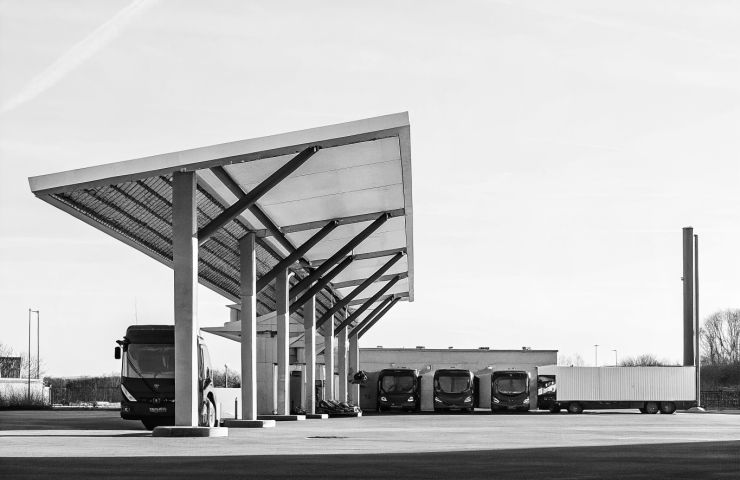
Just this month, the brand-new Bernau Hydrogen Logistics Hub in Brandenburg threw open its doors, and people are buzzing. It’s not just another energy site—it’s a real game-changer for Germany’s quest for sustainable mobility. At its core, there’s a cutting-edge hydrogen refueling station built to top up municipal trucks and public buses, while also showcasing what the hydrogen economy could look like when it’s firing on all cylinders. Local leaders, transport operators and technology vendors have all pitched in to bring this project to life, helping to expand the region’s hydrogen infrastructure and light the way toward a cleaner transport network.
Refueling Station and Fleet Support
What makes the Bernau hub tick is a high-pressure dispensing system designed to store and deliver compressed hydrogen at up to 700 bar. Picture your typical pump island, but state-of-the-art nozzles connect to vehicles via secure couplings, and digital dashboards guide the operator through each step. Whether it’s a garbage truck or a city bus, hydrogen refueling happens in minutes—almost as quick as topping up diesel. Behind the scenes, sensors monitor temperature and pressure around the clock, keeping everything in check. In fact, this kind of robust hydrogen infrastructure not only fuels the fleet but also builds operator confidence in zero-emission logistics.
Sustainable Mobility in Action
From day one, the hub’s goal has been to back nine hydrogen-powered waste collection vehicles and half a dozen H2 buses, though the exact operators are still being finalized. Once these fuel cell technology vehicles hit the streets, they’ll replace traditional diesel rigs on collection routes and regional lines, slashing local air pollutants and decibel levels. Residents can expect quieter, cleaner passes through neighborhoods—and a living demo of hydrogen refueling handling real-world demands. By weaving hydrogen into daily public services, Bernau is putting sustainable mobility on full display, proving that green transport isn’t just a lab project but a route ahead for communities.
Historical Context
Germany’s hydrogen journey kicked off in earnest in the early 2020s, when officials rolled out the National Hydrogen Strategy to map out the future. That blueprint set the stage for large-scale electrolysis experiments, the first pilot refueling stations and collaborative ties between transport, industry and the energy sector. Over the past few years, similar hubs have sprouted across industrial parks and urban fringes, each milestone nudging the country closer to Europe’s mid-century net-zero ambitions. Now, with Bernau in play, the nation isn’t just talking about hydrogen infrastructure; it’s delivering tangible proof that this alternative fuel pathway can grow from concept to reality.
Germany’s Hydrogen Strategy and Policy Alignment
The Bernau hub slots neatly into Berlin’s big-picture plans to ramp up green hydrogen by 2030. Chancellor-made targets call for at least 400 public hydrogen refueling points to keep everything from long-haul trucks to city buses moving cleanly. It’s not an island project: this push aligns with the EU’s Fit for 55 climate package and the Renewable Energy Directive, which sweeten the deal for clean fuels in transport. With enough stations on the map, Germany hopes to iron out logistics kinks and make zero-emission heavy transport—which once felt futuristic—an everyday reality.
Technical Insights
Dig a little deeper and you find a system built around compressed gaseous hydrogen stored in high-density vessels rated at 700 bar. Before it hits the nozzle, the gas is pre-cooled to prevent heat spikes, keeping flow rates smooth and safe. On the vehicle side, stacks of proton exchange membrane cells turn that H2 into electricity on demand—no combustion needed, just an elegant electrochemical dance between hydrogen and oxygen. The outcome? Fast fill-ups that match diesel timings, plus enough range to handle a full shift of routes without breaking a sweat. It’s a solid showcase of fuel cell technology at work.
Financial and Market Considerations
Getting Bernau off the ground meant stitching together cash from regional coffers and federal grants—a classic public-private partnership approach to de-risk early builds. While the exact funding mix remains under wraps, similar ventures have blended EU cohesion funds with backing from Germany’s Ministry for Economic Affairs and Climate Action. As the cost of electrolyzers and cell stacks keeps coming down, more private investors are kicking tires. Plus, when you factor in lower maintenance and cheaper “fuel” long-term, the total cost of ownership starts to look a lot more attractive—painting hydrogen refueling as a viable option, not just a green poster child.
Strategic Implications for the Hydrogen Economy
What Bernau really proves is how localized refueling spots can spark bigger waves in the hydrogen economy. By anchoring the station to waste management and public transport, fleet operators get guaranteed offtake, smoothing out price and demand swings. That predictable pull can justify larger electrolysis plants nearby, which in turn drops production costs thanks to economies of scale. Over time, a network of hubs could sync up with wind and solar farms, absorbing excess green power and converting it into storable, dispatchable hydrogen—fueling a self-reinforcing cycle that turbocharges clean energy growth.
Regional Impact and Collaboration
Beyond cutting carbon, the Bernau hub is a hub for teamwork. Municipal leaders, fleet managers and equipment suppliers are joining forces on workforce training programs—everything from hydrogen safety and station maintenance to troubleshooting vehicle systems. Local vocational schools and universities are lining up courses to meet the demand, creating a pipeline of skilled technicians. Nearby industrial parks are watching closely, considering their own hydrogen-powered logistics or manufacturing projects. In short, the site doesn’t just fuel vehicles; it fuels community development, job growth and a culture of innovation around hydrogen infrastructure.
Looking Ahead
If Bernau is the blueprint, we can expect dozens more hubs to pop up between now and 2030—linking ports, industrial zones and urban centers into a seamless network. Policymakers are watching for early wins like this to justify further subsidies and streamline permitting. For waste haulers, bus operators and logistics firms, the signal is loud and clear: hydrogen refueling is no longer a fringe experiment but a mainstream tool ready to scale. Europe’s hydrogen highway is still under construction, but with each new station, the path to net-zero transport gets a little more paved.