
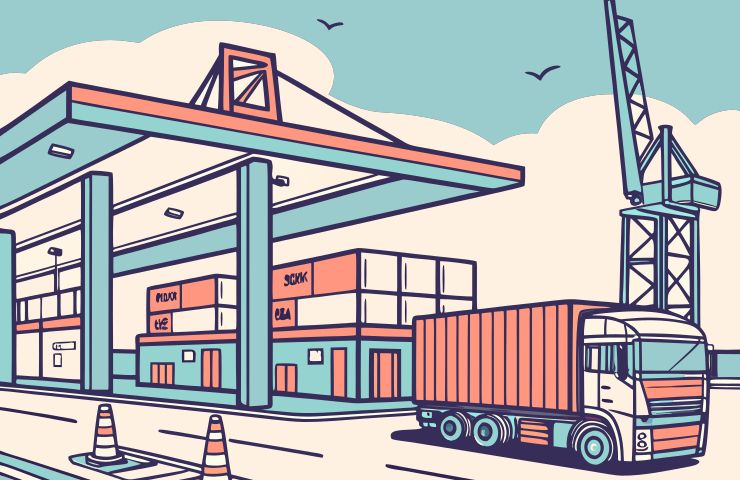
Port of Long Beach Unveils $10M Grant to Accelerate Hydrogen Infrastructure for Zero-Emission Drayage Trucks
December 19, 2025The Port of Long Beach has rolled out a fresh $10 million Hydrogen Fuel Grant Program to help shrink fuel bills for its fuel cell drayage trucks at the terminals. Thanks to California’s 2022 Clean Truck Fund, operators can now claim back their hydrogen expenses each month after they verify their terminal fill-ups. It’s a smart play at a time when diesel prices are fluctuating and air quality mandates are getting tougher. This grant not only builds on last year’s RFP for a Pier D fueling station but also underlines the port’s drive toward zero-emission technology and top-tier hydrogen infrastructure. By cheering on fleets to adopt modern fuel cell technology, Long Beach is setting the stage for cleaner skies and smoother operations.
Strategic Boost to Port Operations
Balancing surging cargo volumes with strict environmental rules is no walk in the park. Teaming up with the Port of Los Angeles under the Clean Air Action Plan since 2010, Long Beach now moves roughly 40% of all U.S. imports. With shipping lines, truckers, and regulators all keeping a close eye, this grant directly tackles one of the area’s biggest polluters—old-school diesel drayage—and gives fleets a real financial nudge to switch over to hydrogen fuel cells. As businesses wrestle with tighter budgets and greener mandates, this program could be exactly the lift they need.
Historical Context and Emission Goals
First opened in 1907, the port has constantly reinvented itself—from building wartime ships to pioneering container logistics. Fast forward to today, and the goal is a fully zero-emission drayage fleet by 2035, in lockstep with California Air Resources Board targets. It’s part of a broader effort to electrify everything from yard trucks to forklifts, making terminals humming hubs of clean energy. Backed by over $95 million each year in state investments for hydrogen infrastructure, Southern California remains a national leader in industrial decarbonization.
Grant Mechanics and Eligibility
Getting on board is pretty straightforward. Fleets just need to register with the port’s Clean Truck Program, operate CARB-certified fuel cell models within port boundaries, and log their fill-ups via the online portal. The grant picks up to 80% of the per-kilogram hydrogen tab—capped per truck so more operators can join the party. Early movers at Pier F and Pier J, which already have fueling plans in the 2025 RFP cycle, get first dibs on the funds.
Financial Structure and Priorities
Each month, fleets upload telematics data showing how much hydrogen they used and which terminals they visited—then the port cuts the reimbursement checks. Every six months, staff will pore over market trends and tweak funding levels if hydrogen costs or demand swing wildly. It’s designed to keep operators insulated from volatile fuel markets and ensure that growing electrolyzer capacity and a beefed-up hydrogen infrastructure translate into stable, predictable budgets.
Technical Snapshot: Fuel Cell Drayage Trucks
Here’s the lowdown on how hydrogen fuel cells work: they combine hydrogen and oxygen in an electrochemical reaction to generate electricity, with water vapor as the only exhaust. Filling up takes about 15 minutes—just like diesel—and the trucks cover daily routes on par with their fossil-fuel cousins. To meet peak drayage schedules without overtaxing the grid, the port’s rolling out a mix of liquid and compressed storage, ensuring a reliable supply whenever trucks roll in.
Hydrogen Infrastructure and State Support
After the federal ARCHES hub fell through in 2024, California doubled down on regional solutions. Thanks to the CEC’s Alternative and Renewable Fuel and Vehicle Technology Program, dozens of stations have sprouted across Southern California—cementing its status as a hydrogen infrastructure hotspot. This grant dovetails perfectly with that bigger statewide push, knitting together crucial corridors from ports to freeways and city centers.
Emissions Reduction Potential
If fleets fully tap into this program, they could sideline around 3.7 million diesel miles every year—slashing nitrogen oxides, particulate matter, and CO₂ emissions in one fell swoop. That aligns neatly with South Coast AQMD’s strict clean-air mandates, and drayage companies might even see their CARB compliance costs shrink thanks to Low Carbon Fuel Standard credits.
Cost and Supply Chain Challenges
Don’t mistake progress for perfection: green hydrogen still fetches about $6–$8 per kilogram, roughly double diesel’s energy equivalent. Building enough electrolyzers, securing long-lasting membranes, and keeping stations up and running have all proven tricky. By re-evaluating reimbursements semiannually, the port can quickly rebalance support if prices spike, so operators aren’t stuck covering unexpected costs.
Market Impact and Competitiveness
In 2025, the neighboring Port of Los Angeles moved more than 10 million TEUs, proving just how fierce West Coast logistics can be. As container volumes climb, ports offering solid, low-emission trucking services will snag a premium in a cutthroat market. By backing hydrogen fuel cells and building out reliable hydrogen infrastructure, Long Beach is putting itself in prime position to attract eco-conscious shippers and drayage operators.
Cost Parity Outlook
Analysts reckon that by around 2028, fleets using this grant could see their hydrogen costs match diesel, thanks to ramped-up electrolyzer capacity and a fatter supply chain. Layer in state tax breaks and Low Carbon Fuel Standard incentives, and by 2030 the total cost of ownership for fuel cell technology drayage trucks might undercut diesel by 10% or more—making green fleets not just an environmental win but a smart financial move.
Key Takeaways
- $10M Grant: Up to 80% of hydrogen costs reimbursed monthly.
- Zero-Emission Impact: Potential to eliminate 3.7M diesel miles annually.
- Policy Synergy: Ties into Clean Truck Fund, CARB goals, and CEC funding.
- Infrastructure Watch: Ongoing RFPs and station uptime are critical.
- Cost Outlook: Diesel parity by 2028; TCO advantages by 2030.
Looking Ahead
With California doubling down on hydrogen infrastructure and freight electrification, this grant model could soon expand to on-dock rail or last-mile delivery fleets. If Long Beach’s experiment wins the day, expect other ports—both in the U.S. and abroad—to roll out similar incentives to hit ambitious sustainability targets without skipping a beat on operational performance.
By forging robust hydrogen infrastructure, de-risking fuel costs, and championing zero-emission technology, the Port of Long Beach is raising the bar for modern freight corridors—an initiative you won’t want to miss if you’re tracking industrial decarbonization.

 With over 15 years of reporting hydrogen news, we are your premier source for the latest updates and insights in hydrogen and renewable energy.