
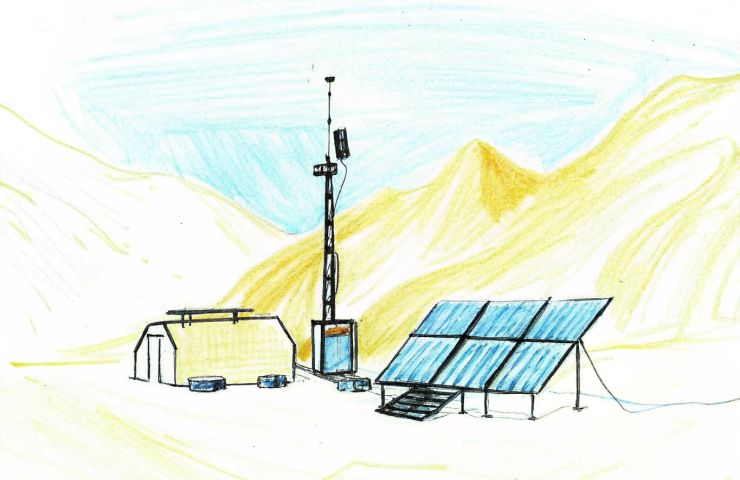
Solar-Hydrogen Microgrid Revolutionizes Energy Security in Ladakh
December 1, 2025Imagine powering a high-altitude border post deep in the Himalayas without hauling diesel convoys for days. Now picture a Solar-Hydrogen Microgrid in Chushul Ladakh doing all the heavy lifting. Sounds like magic? It’s real.
The Big Picture
On November 28, 2025, Defence Minister Rajnath Singh flipped the switch—virtually—on India’s very first grid-tied Solar-Hydrogen Microgrid in Chushul Ladakh. This setup is a milestone in the nation’s Defense Renewable Energy journey. Built by NTPC and engineered by Group Surya, with the Indian Army onboard, it pairs a 3.7 MW solar array with Green Hydrogen production and a robust battery bank to deliver a steady 200 kW of clean power. That’s roughly 1,500 tons of CO₂ kept out of the atmosphere every year.
Since Ladakh became a separate union territory in 2019, energy self-reliance at these remote posts has been non-negotiable. Today, radar, radios and essential systems run on sunshine and hydrogen—no diesel in sight.
Why Chushul Matters
Perched between 4,400 and 4,500 meters, where winter nights dive to –40 °C and oxygen is thin, Chushul sits on a strategic stretch of the India-China border. Diesel generators were once the only reliable power source, meaning fuel had to brave avalanche-prone mountain passes—a treacherous and costly ordeal.
Now, this microgrid ranks among the world’s highest-altitude hydrogen energy systems, harnessing Ladakh’s intense solar irradiance to keep lights on and systems humming.
Meeting the Challenge
In the old days, keeping equipment alive meant endless diesel runs. This system flips that script: solar panels soak up high-altitude sunlight by day, and any surplus electricity drives electrolyzers to split water into Green Hydrogen. When clouds roll in or night falls, stored hydrogen and a Battery Energy Storage System (BESS) seamlessly pick up the slack, guaranteeing a steady 200 kW output.
The 3.7 MW solar array is intentionally oversized to fill hydrogen tanks year-round. A compact water-treatment unit—drawing from local springs—ensures the electrolyzers get squeaky-clean feedstock.
Real-World Payoffs
Moving away from diesel brings big benefits:
- Energy Security: Uninterrupted power, even in blizzards.
- Cost Savings: Far fewer fuel convoys and lower maintenance over a 25-year PPA.
- Carbon Cuts: About 1,500 tons of CO₂ avoided every year.
- Logistics Ease: One liter of diesel saved for every three units of solar energy generated.
With a long-term power purchase agreement, the Indian Army locks in predictable rates and the peace of mind that comes with a reliable, green energy source.
Behind the Scenes
NTPC—India’s largest power producer, boasting an 84,849 MW portfolio—has made a bold pivot toward renewables, adding 13.3 GW so far and aiming for 60 GW by 2032. Its subsidiary, NTPC REL, drove the project’s development, while Group Surya delivered the ₹102 crore EPC contract in just eight months. That’s no small feat at 4,500 meters, where altitude sickness, heavy snowfall and limited road access are constant hurdles. Beyond solar and hydrogen, NTPC is pushing into e-mobility, battery storage and waste-to-energy, signaling a full-spectrum shift toward sustainable solutions.
The Tech in Brief
- Photovoltaic System: A 3.7 MW array that turns high-altitude sunlight into DC power.
- Electrolyzers & Hydrogen Storage: Use surplus energy to produce and store Green Hydrogen for later use.
- BESS Units: Smooth out short-term spikes and dips in demand.
- Autonomous Microgrid Controller: Juggles generation, storage and load without any external grid connection.
Strategy & Security
Cutting the cord on diesel at border posts isn’t just about saving money—it’s a strategic win. Fewer convoys mean a smaller logistical footprint and less vulnerability to supply disruptions during harsh winters.
This push aligns perfectly with India’s Net Zero by 2070 pledge, putting the nation at the forefront of Defense Renewable Energy and high-altitude Green Hydrogen innovation—offering a blueprint for the world.
Global Ripple Effects
This microgrid is more than a local victory—it’s turning heads globally. It proves that high-pressure hydrogen storage and hybrid renewables can thrive in extreme environments, from the Himalayas to Antarctica. Military units and research teams worldwide are taking notes. Pulling off this build in record time—assembling precision electrolyzers, heavy battery banks and solar panels at 4,500 meters—underscores India’s engineering prowess and sets the stage for exporting both know-how and hardware.
Looking Ahead
This isn’t a one-off showcase—it’s a playbook. The same model could power other Himalayan outposts, remote telecom towers, polar research stations or off-grid communities. With supportive policies, proven technology and smart financing, dozens more clean microgrids could spring up in the next decade.
India’s sprint to 60 GW of renewables by 2032 and its defense modernization just got a major boost. When diesel’s grip finally loosens at 4,500 meters, you’ll know the future has arrived. Buckle up—clean, resilient power in the world’s toughest spots is here to stay!


 With over 15 years of reporting hydrogen news, we are your premier source for the latest updates and insights in hydrogen and renewable energy.