Volkswagen’s Poznań Plant Adopts Hydrogen Production System
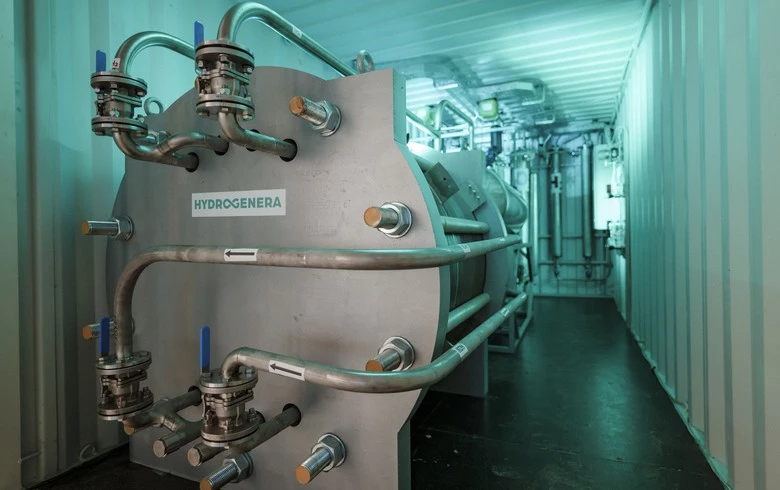
December 11, 2025At its Poznań plant in Poland, Volkswagen is taking a fresh swing at industrial decarbonization by blending clean hydrogen into its existing heat processes. This pilot leans on a 90 kW alkaline electrolyzer from Bulgaria’s own Hydrogenera. The setup splits water via electrolysis into pure streams of hydrogen and oxygen, then feeds them into the factory’s trusty 1.5 MW natural gas burner—hydrogen ahead of the flame, oxygen alongside the combustion air. The payoff? Early tests show up to a 30% cut in fuel use and a matching dip in CO₂, all without touching the plant’s automation, safety gear or core production lines. It’s a neat way to drop fossil fuels into the rearview mirror, especially if the electricity driving the electrolyzer comes from renewable sources and yields genuine green hydrogen.
Project Highlights
- Electrolyzer Specs: A rugged 90 kW alkaline unit designed for nonstop hydrogen production, built to deliver high-purity H₂ and O₂ streams.
- Dual-Gas Injection: Hydrogen is metered into the natural gas feed; oxygen joins the burner’s air supply, speeding up combustion and cutting unburned hydrocarbons.
- Plug-and-Play Retrofit: Slipped in alongside the existing 1.5 MW burner, it required zero rewiring of controls or safety shutdowns.
- Efficiency Gains: Modeling and first runs hint at around 30% savings on gas consumption—and a proportional shrinkage in CO₂ emissions.
- Zero Downtime: Installation is set to wrap up in mere weeks, keeping production humming without a hitch.
Technical Insight
At its heart, the system relies on a classic alkaline electrolyzer cell: juice in, water out; voltage splits H₂O into hydrogen and oxygen. By injecting the hydrogen into the gas line and the extra oxygen into the air supply, the flame burns hotter, cleaner and more completely—think of it as a turbo-boost for your burner. That tweak not only bumps up thermal efficiency but also lowers NOₓ formation. Tie the electrolyzer to wind or solar power, and you’ve got a truly green hydrogen loop with zero direct greenhouse-gas output—an elegant twist on electrolysis-based heat generation.
Strategic Implications
For VW, this isn’t just a cool experiment—it’s a game-changer for factories wrestling with high-temperature tasks that you can’t easily electrify. Kilns, furnaces and drying ovens have long been the Achilles’ heel of electrification strategies. By dialing in hydrogen-enhanced combustion, VW can slash Scope 1 and 2 emissions, potentially saving millions of euros on energy bills while trimming the plant’s carbon ledger. Partnering with a regional supplier like Hydrogenera also strengthens Europe’s budding hydrogen infrastructure and sends a signal that the automaker believes in a local clean-energy supply chain.
Company & Tech Context
Hydrogenera operates under the Green Innovation banner from Bulgaria. Since floating on the Bulgarian Stock Exchange in July 2025, it’s carved out a niche as one of Southeastern Europe’s few home-grown electrolyzer designers—now validated by VW’s supplier approval. Up until now, Hydrogenera focused on smaller pilots; this 90 kW project is its first leap into heavy-duty industrial heat. A win here could open doors to sectors like steel, ceramics and chemicals, where heat demand is massive and the thirst for hydrogen infrastructure is growing.
Volkswagen’s Broader Decarbonization Drive
While electric vehicles snag the headlines, VW’s quietly bulking up a full suite of carbon-busting tools. Across Europe, it runs six battery-cell gigafactories totaling 240 GWh of annual capacity, backed by renewable power deals and closed-loop recycling pilots. Tacking this hydrogen retrofit onto its lineup is VW’s way of saying, “We’ll tackle emissions everywhere — not just under the hood.” Fuel cells, batteries, green hydrogen and smart recycling: it’s all part of a diversified playbook to hit net zero.
Poland’s Hydrogen Push
Poland’s national hydrogen strategy, kicked off around 2020, aims to shrink Europe’s reliance on imported fuels and hit Brussels’ climate targets. So far, it’s backed about 70 Solaris hydrogen buses and some 600 fuel cell cars, while Orlen experiments with green hydrogen pilots and starts up Europe’s first H₂ refueling network. Volkswagen’s move with Hydrogenera stands out as the first big industrial case, stretching hydrogen’s reach from mobility into furnace heat—underlining Poland’s growing role as a hydrogen hot spot in Central Europe.
Don’t get ahead of yourself: scaling from a 90 kW demo to megawatt-class electrolyzers isn’t a walk in the park. You need cost-competitive renewable power, iron-clad permitting for on-site electrolysis and burner blending rules that vary by region. Capital costs for big electrolyzers can be steep, and navigating safety and environmental approvals may take time. But with every successful pilot, the price curve should get friendlier—and the red tape thinner—over the next five years.
VW plans to wrap up Poznań’s hydrogen retrofit by mid-2026 and already has a second install queued for its Września plant. If real-world data lives up to the hype—30% less gas, big CO₂ cuts, no nasty surprises in uptime or maintenance—hydrogen-enhanced combustion could become a go-to decarbonization lever for Europe’s factories. As carbon rules tighten, many manufacturers may see this as a no-brainer way to get to net-zero heat, rounding out the continent’s shift to a truly sustainable energy future.
 With over 15 years of reporting hydrogen news, we are your premier source for the latest updates and insights in hydrogen and renewable energy.