China-Russia Hydrogen Infrastructure Deal Signals Shift in Eurasian Energy
China and Russia inked an MoU to build a cross-border hydrogen energy corridor, combining Russia’s gas reserves and China’s renewables and tech to reshape Eurasian energy security.
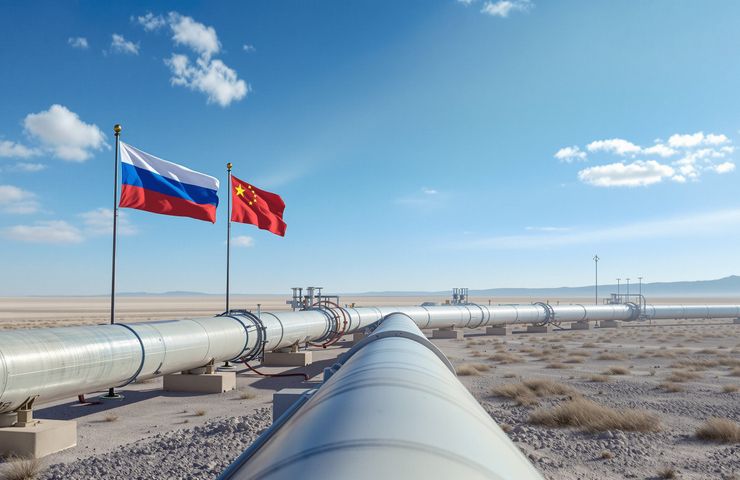
Don’t let the sleek press release fool you — there’s more happening under the hood in Shanghai. China and Russia just shook on a plan to build a cross-border hydrogen energy corridor, mixing Russia’s gas-based blue hydrogen chops with China’s electrolyzer firepower. It’s not just green theater; it’s a savvy answer to Western sanctions and a shortcut to beef up energy security on their terms — and yes, they’ll package it as a step toward sustainable energy.
The Deal in Brief
So what did they actually sign? Early this month, Shanghai officials blessed a MoU to flesh out an integrated corridor for hydrogen production, transmission and trade between Russia and China. The gist: Russia’s massive gas fields get turned into blue hydrogen with carbon-capture tech, while China taps its wind and solar farms for green hydrogen. They didn’t dish on pipeline routes, capacity or timelines, but point to the Russia–China Energy Cooperation Committee — the umbrella group already juggling power grid links and the Yamal LNG collaboration. Of course, making it real means hurdling everything from permafrost challenges to two massive bureaucracies.
Why It Matters
Here’s the skinny: when the two heavyweight champs on the Eurasian stage team up on hydrogen, the market perks up. Russia, locked out of Western energy lanes, gets a lifeline to diversify beyond oil and gas. China scores cheap, low-carbon feedstock to fire up its electrolyzer lines and chase net-zero goals without sweating global price swings. Together, they could soon flood regional—and maybe even European—markets with competitively priced hydrogen, all in the name of building robust hydrogen infrastructure and powering a new era of sustainable energy.
Historical Playbook
You know the drill: since sanctions cranked up after 2022, Russia’s been looking east. The 2011 power grid link in the Far East and the 2013 Yamal LNG tie-up were the opening moves. Nuclear co-development at Tianwan and Xudapu piled on next. Hydrogen chatter began heating up around 2023, and this MoU feels like the first big payoff — a clear nod to continuity in a long-running game.
Geopolitical Ripples
There’s a political footprint you can’t ignore. By doubling down on an energy axis that skirts Western sway, Beijing and Moscow are flipping the script on dependency. Flows that once fueled Europe could instead snake through Central Asia, avoiding pipelines under Western control. It sends a not-so-subtle message: East-East cooperation can outpace any Western-branded hydrogen alliance.
Economic Angle
On the business side, it all boils down to cost curves and scale. Russia’s got the gas-to-hydrogen route down, but credible blue hydrogen needs heavy investment in carbon capture. China, on the other hand, has mastered mass-producing electrolyzers at price points that make Western rivals wince. Nail the joint supply chain—from Siberian gas fields to Chinese manufacturing floors—and you drive transport costs down and put old-school fuels on the defensive.
Downstream industries could see major perks too. Fertilizer plants in Xinjiang might swap in Russian hydrogen to crank out ammonia, edging out Middle Eastern imports. Steel mills in Northeast China could give coal the boot if green hydrogen lands at the right price, reshaping traditional commodity flows. And with land routes cutting shipping times and bills, traders will be crunching numbers real close.
EU Versus the Eastern Corridor
Meanwhile, the EU is tangled in its own hydrogen rulebook and pipeline dreams, bogged down by permits and red tape. In contrast, China and Russia can greenlight projects with a flick of the pen. That speed-versus-stringency tug-of-war may well give the Eastern duo a strategic edge—especially if Europe keeps its tough environmental and competition checks alive.
Environmental Check
Clean-energy fans will cheer some of this, but there’s a catch. Green hydrogen only shines if the renewables powering the electrolyzers are truly green. And blue hydrogen? It rests on carbon capture delivering the goods. Activists warn that any slip-ups in carbon capture or tiny methane leaks could wipe out the climate gains. Skeptics also point out that expanding gas pipelines under the guise of hydrogen might just prolong fossil dependence.
What’s Next?
So where do we go from here? Who’s putting up the cash for pipelines, compressors and storage hubs? Will private developers get a slice, or is it strictly a state-to-state show? Word on the street is feasibility studies are coming, but don’t hold your breath for public data. Keep an eye on Central Asia—Kazakhstan could pop up as a tech hub or a midway point to Europe.
If those studies check out, pilot trials might roll out by late next year, setting us up for initial shipments in the early 2030s. But geopolitical landmines—think U.S. tech bans or fresh Western banking sanctions—could stall the whole thing. One wildcard: if Beijing oversubsidizes imports, cheap hydrogen might flood the market and squeeze out private projects in Australia or the Middle East.
No matter how this plays out, one thing’s crystal clear: hydrogen infrastructure isn’t just a line in a sustainability report—it’s the ultimate power move in tomorrow’s energy landscape.