Hydrogen Fuel Cells: Isuzu and Toyota Collaborate on Lightweight Fuel Cell Truck
Isuzu and Toyota have teamed up to develop a lightweight hydrogen fuel cell truck, combining chassis expertise and PEM fuel cell technology to advance zero-emission logistics.
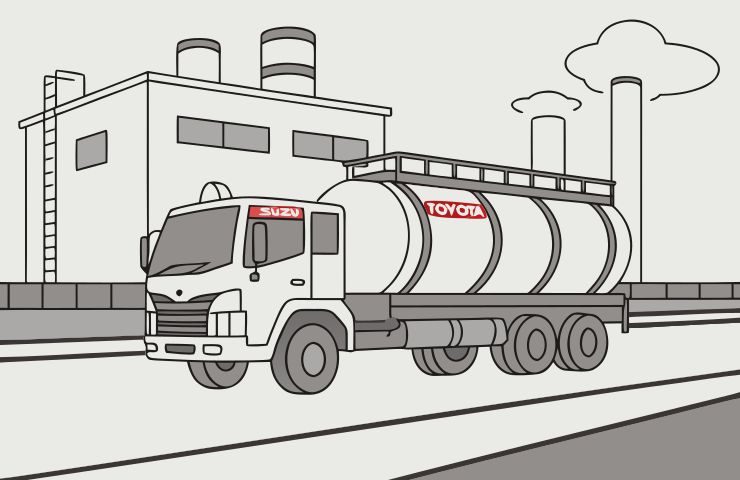
Isuzu Motors Limited and Toyota Motor Corporation have just rekindled their partnership to build a lightweight fuel cell electric truck. This new initiative builds on their fuel cell bus work and the 2021 tie-up aimed at slashing emissions in heavy-duty transport. By mashing together Isuzu’s truck know-how and Toyota’s top-notch hydrogen fuel cells, they’re aiming for sleeker, lighter trucks that drive us closer to zero-emission technology.
Key details:
- Scope: Creating a nimble fuel cell truck platform for everything from last-mile deliveries to regional runs.
- History: Follows the 2021 spin-up of Commercial Japan Partnership Technologies Corporation with Hino, all about CASE tech.
- Objectives: Trim vehicle weight, slash production costs, and slot right into the evolving hydrogen infrastructure.
- Expertise: Isuzu brings its chassis design chops; Toyota delivers the fuel cell stacks and system-integration magic.
Longstanding partnership roots
Going back to 2006, Isuzu and Toyota first shook hands when Toyota bought nearly 6% of Isuzu to co-create a 1.6-liter diesel engine for Europe. Fast-forward to 2018, that chapter ended as Toyota steered more into electrification and sold its stake. But in 2021, they hit the reset button with Commercial Japan Partnership Technologies Corporation: Toyota holds 80%, while Isuzu and Hino each have 10%. This JV’s all about CASE—Connected, Autonomous, Shared, Electric—focusing on both battery-electric vehicles (BEVs) and fuel cell electric vehicles (FCEVs). It’s a textbook example of setting the stage for industrial decarbonization.
Designing the lightweight fuel cell truck
The game plan is a truck with a slimmer, meaner chassis built around an optimized fuel cell stack, hydrogen tanks, and all the power electronics you need. They’re zeroing in on:
- Material selection: Mixing high-strength steel with lightweight composites to shave off pounds.
- Component integration: Tucking the fuel cell module and hydrogen tank into a compact package to keep the cargo bay roomy.
- Modular architecture: Crafting an underframe that can swap out different fuel cell sizes depending on the job.
They’re keeping performance specs and launch dates under wraps for now, but expect them to start putting prototypes through their paces in real-fleet scenarios before going all-in.
Fuel cell technology fundamentals
At its heart, fuel cell electric vehicles (FCEVs) use an electrochemical reaction between onboard hydrogen and oxygen from the air to produce electricity. That powers the electric motor and spits out only water vapor—no tailpipe emissions. For heavy-duty rigs, hydrogen’s high energy density means longer hauls and lightning-fast refueling compared to pure battery setups. Toyota’s spent years fine-tuning its proton exchange membrane (PEM) fuel cell technology—think lessons learned from the Mirai sedan and shuttle bus demos in Fukushima. Isuzu, in turn, will lean on its rugged drivetrain expertise to make sure these trucks can handle real-world commercial duties day in, day out.
Strategic drivers and cost considerations
This collaboration lines up perfectly with both companies’ pledge to hit carbon neutrality by 2050 and to nail ever-stricter emissions rules in the freight world. Right now, fuel cell systems still carry a price tag above diesels thanks to low volumes and the precision needed for parts like membrane electrode assemblies. Teaming up lets Isuzu and Toyota chase:
- Economies of scale: Joint buying power and shared suppliers for core fuel cell bits.
- Engineering synergies: Cross-company squads tweaking designs to balance weight, toughness, and manufacturability.
- Lower lifecycle costs: As the hydrogen infrastructure beefs up and electric drivetrains need less upkeep, total cost of ownership will dip.
Infrastructure and ecosystem impacts
Getting these trucks on the road could really fire up the rollout of hydrogen refueling stations, especially where Toyota’s already proven the waters with fuel cell buses. By linking truck trials to existing demo sites, they’ll gather real data on station use, fuel dispensing rates, and the upstream supply chain. As more fleets pivot to FCEVs, pumping up hydrogen throughput should lure investment into green hydrogen production—like water electrolysis powered by renewables. Over time, it’s that classic virtuous cycle: more trucks, more stations, more clean fuel—driving widespread industrial decarbonization in sectors from manufacturing to mining and port logistics.
Next steps and anticipated milestones
No one’s dropped a full timeline yet, but word is prototypes will hit the test track soon. Keep an eye out for:
- The first working prototypes rolling off the bench and into lab tests.
- Field trials with select logistics partners to vet range, reliability, and refuel routines.
- Certification milestones in Japan and other target markets.
With those boxes checked, they’ll fine-tune the design for small-batch production before gearing up for a wider launch.
Positioning in a competitive landscape
The race to electrify commercial vehicles is full throttle. Battery-electric trucks have cornered the short-haul market, but hydrogen holds its own for longer routes and quick turnaround. By combining Isuzu’s assembly-line prowess with Toyota’s hydrogen fuel cells expertise, they’re aiming squarely at the 200–400 kW power bracket. And their obsession with lightweight design might spill over into other clean-energy platforms—think hydrogen-powered excavators or ammonia carriers—showing just how versatile this zero-emission technology platform can be.
Looking ahead
This partnership is another piece in Japan’s wider hydrogen puzzle, building out a sustainable energy ecosystem. Success hinges on more than just trucks performing—they’ll need everyone on board: station operators, electrolyzer manufacturers, and policy makers all dialing in. As data starts rolling in from the initial tests, the industry will be watching to see if fuel cell trucks can finally match diesel on cost and uptime in the years ahead.
About the Companies
Isuzu Motors Limited has been crafting commercial vehicles and diesel engines since 1916, earning a reputation for toughness and reliability. Toyota Motor Corporation, founded in 1937, is not just a household name for cars but also a pioneer in fuel cell technology. Back in 2021, Toyota teamed up with Isuzu and Hino to launch Commercial Japan Partnership Technologies Corporation, focusing on electric and fuel cell commercial vehicles under the CASE umbrella.