Green Hydrogen: Moeve and Enagás Lead New European ERA Alliance
Moeve and Enagás have launched the European Alliance for Green Hydrogen and its Derivatives (ERA), aiming to boost renewable hydrogen production, infrastructure and trade under the EU Green Deal framework.
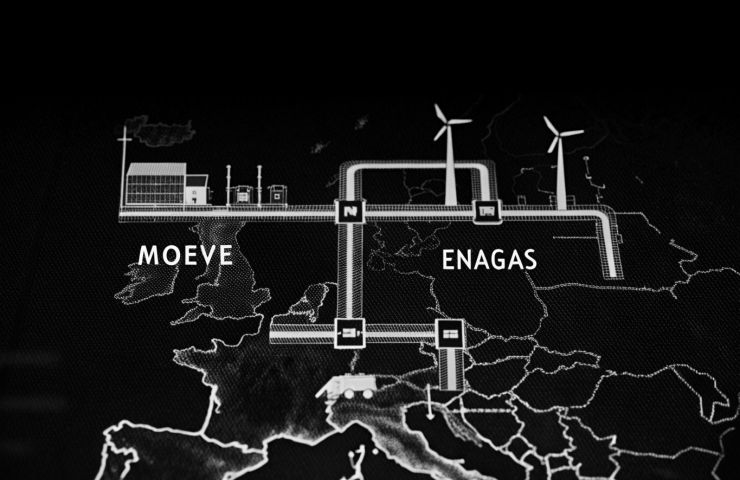
Moeve has teamed up with Enagás to kick off the European Alliance for Green Hydrogen and its Derivatives (ERA). It's a pretty big moment in Europe’s push to hit climate targets, aiming to ramp up green hydrogen production and transport while driving industrial decarbonization and the shift to sustainable energy.
Core News
So, here’s the scoop: renewable-energy specialist Moeve and Spain’s gas-grid operator Enagás have officially launched the ERA alliance, joined by other European players (they’ve kept the full lineup under wraps for now). Their mission? To link up projects covering everything from hydrogen production and storage to transport and end-use—building a pan-European playbook for clean fuels.
The timing couldn’t be better. With policy momentum behind hydrogen under the European Green Deal, stakeholders see ERA as the glue to coordinate investments in electrolysis capacity and hydrogen infrastructure, bridging the gap between national pilots and a seamless EU market.
Building on the European Green Deal
Back in 2019, the European Green Deal set Europe on a sprint toward net-zero by 2050, targeting at least a 55% cut in greenhouse gas emissions by 2030 under the European Climate Law. To back that up, the Commission rolled out some heavy hitters:
- The Green Deal Industrial Plan: a one-stop shop for cutting red tape and boosting production of net-zero tech.
- The Net-Zero Industry Act: pushing for more factories churning out clean-energy gear—electrolysers, solar panels, you name it.
- Clean Transition Dialogues: essentially a chat room for member states to sync their national plans with EU-wide hydrogen goals.
Within this regulatory context, ERA seeks to:
- Pool demand signals to give gigawatt-scale electrolysers the green light.
- Help convert old gas pipelines into hydrogen-friendly arteries.
- Jumpstart cross-border deals for blending and trading hydrogen and its ammonia offshoots.
Strategic Edge for Spain and the EU
Moeve brings serious street cred—years of building solar and wind farms in Spain and pioneering zero-emission green hydrogen via electrolysis. They split water into hydrogen and oxygen with clean power, keeping the carbon footprint at zero.
Enagás is busy retooling chunks of its natural-gas network to handle H₂ blends and pure hydrogen. By upgrading pipelines and storage hubs, they’re laying the groundwork for safe, efficient flow of hydrogen across Spain and, eventually, the whole continent.
Together, they’re not only cementing Spain’s spot as a hydrogen hotspot but also helping the EU forge a competitive domestic supply chain for clean fuels—an opportunity private investors are keen to back.
Market and Policy Landscape
The debut of ERA comes as the EU rolls out its Carbon Border Adjustment Mechanism (CBAM), which slaps levies on carbon-intensive imports and tilts the playing field toward homegrown low-carbon products. That’s a golden ticket for green hydrogen and ammonia players to win market share inside and outside the EU.
At the same time, REPowerEU is fast-tracking permits for renewables so new electrolysis plants can spring up faster. Wrangling zoning rules and grid upgrades still feels like solving a Rubik’s cube blindfolded—challenges that ERA members will need to tackle together.
Don’t be surprised if they dive into EU climate funds and green finance tools—grants, soft loans and the like—to de-risk early projects and attract broader investment.
Technology Spotlight: Electrolysis and Derivatives
If there’s one core process behind green hydrogen, it’s electrolysis—using wind or solar power to split water into hydrogen and oxygen. The main electrolysers on the market are:
- Alkaline Electrolysers: the old reliables—lower upfront costs but less flexible when renewables fluctuate.
- Proton Exchange Membrane (PEM) Electrolysers: rapid to respond to swings in power, ideal for pairing with intermittent solar and wind.
- Solid Oxide Electrolysers (SOEC): run hot and can hit higher efficiencies, though they’re still edging toward full commercial maturity.
Once you’ve got hydrogen, you can burn it, feed it into industry, or turn it into easy-to-store carriers like ammonia and methanol. Many projects tie into power-to-X schemes, funneling excess renewables into hydrogen to steady the grid. And by making ammonia via the Haber-Bosch process with renewable H₂, you get a zero-emission fertilizer and a dense energy vector for shipping—right in line with ERA’s drive to put hydrogen and its derivatives at the heart of Europe’s clean-energy mix.
Implications for Industrial Decarbonization
Here’s the kicker: energy-related emissions account for over three-quarters of the EU’s greenhouse gases. Industries like chemicals, heavy transport and steel just can’t go fully electric yet, so green hydrogen and its derivatives are the prime candidates to replace fossil feedstocks and fuels in those hard-to-abate sectors.
Expect ERA to spark a few game-changers:
- Cranking up demand for electrolysers, which should drive down costs as production scales.
- Opening new revenue streams for solar and wind operators by turning excess power into hydrogen.
- Boosting regional economies with construction jobs and ongoing operation of hydrogen hubs.
This snugly complements REPowerEU’s push to diversify energy supplies and cut reliance on imported fossils. It could also slot into CBAM by offering a low-carbon alternative to carbon-intensive imports.
That said, no one wants regions still tied to gas and coal to be left behind. Policymakers will have to balance tech support with retraining and economic diversification programs.
Looking Ahead
For now, ERA is all about building the game plan. Here’s what to watch:
- Picking pilot sites for electrolysis plants and pipeline retrofits.
- Hammering out fair transport tariffs and rules for cross-border hydrogen trade.
- Locking in financing from EU climate funds, green bonds and private investors.
Getting everyone on the same page—unified safety standards, solid certification for low-carbon hydrogen, and smooth integration into existing energy markets—will take tight teamwork between EU bodies and national regulators to avoid fragmentation.
If ERA pulls this off, it could be the blueprint for similar alliances across Europe—knitting together a continent-wide hydrogen infrastructure and nudging the EU closer to its net-zero ambitions.
At the end of the day, the real scorecard will be how fast it moves from talk to action: scaling up electrolysis, revamping pipelines, and carving out real markets for hydrogen and its offshoots. From big energy players to industrial end-users, everyone will be watching—because Europe’s clean-energy future depends on it.