Lotte SK Enroute Starts Hydrogen Production via Ulsan Fuel Cell Plant
Lotte SK Enroute has begun commercial operations at its second 20MW hydrogen fuel cell plant in Ulsan, using by-product hydrogen and waste heat recovery to generate low-carbon power as it pursues an 80MW portfolio in support of industrial decarbonization.
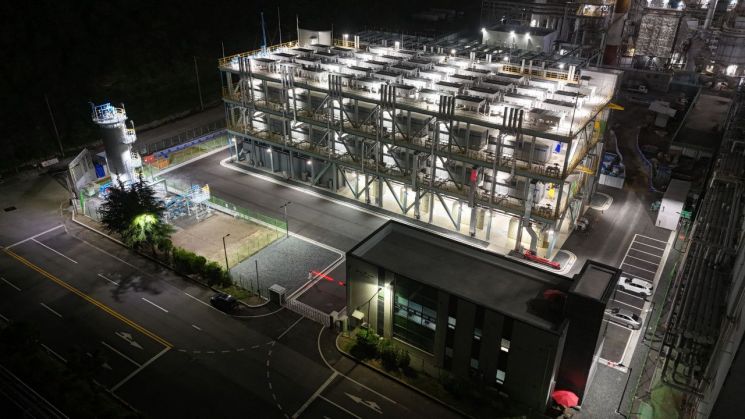
Lotte SK Enroute, the 2022 joint venture by SK Gas, Lotte Chemical and Air Liquide Korea, has just flipped the switch on its second hydrogen fuel cells power plant, Ulsan Hydrogen Power No. 1. Nestled in the heart of the sprawling Ulsan Mipo National Industrial Complex, this 20 MW setup pulls in by-product hydrogen from nearby refineries and petrochemical sites, zapping it through bespoke pipelines to churn out low-carbon electricity. It follows last summer’s launch of Ulsan Hydrogen Power No. 2 and inches the venture closer to its 80 MW goal by year-end.
Why it matters
As South Korea’s biggest industrial playground, Ulsan’s shipyards, oil refineries and chemical plants have traditionally leaned on grid power or on-site combined heat and power systems burning fossil gas. By tapping into flared or low-margin hydrogen that would’ve otherwise gone to waste, Lotte SK Enroute sidesteps fresh emissions from new hydrogen production, while cutting reliance on the old power sources. Over its lifetime, the plant is set to shave off thousands of tons of CO₂ compared to standard grid electricity or just venting the hydrogen.
It’s a neat example of a circular energy setup: hydrogen that used to weigh down the balance sheet now fuels local power, boosting self-sufficiency and locking in more stable prices for the complex’s tenants. Talk about turning a cost center into a corner office.
Digging into the technology
At the heart of this operation are proton exchange membrane (PEM) fuel cells, which spark up electricity by marrying hydrogen with oxygen in an electrochemical dance. They outshine gas turbines when it comes to efficiency under partial loads and can fire up in a flash—ideal for sites where demand ebbs and flows. But that’s not all: the plant’s warm exhaust gets fed into an Organic Rankine Cycle (ORC) unit (thanks to a government incentive), squeezing extra power from leftover heat without burning another joule of fuel.
Instead of laying down brand-new production lines, the JV piggybacks on existing pipelines and storage tanks from SK Gas and Lotte Chemical. That move slashes capex and speeds up deployment, fitting right into the broader push for sustainable energy where clean tech and traditional systems tag-team for the best fuel utilization.
A unique partnership model
This JV is a classic case of playing to each partner’s strengths: SK Gas kicks in surplus hydrogen, Lotte Chemical provides the land and infrastructure, while Air Liquide Korea brings its industrial gas chops and ops know-how. By pooling investments and operational duties, they spread the risk and make sure everyone’s paddling in the same direction along the hydrogen value chain.
Co-CEOs Gil Ho-moon and Shim Mi-hyang often say the project is all about converting hydrogen resources into energy that pushes South Korea closer to its net-zero dreams. Their goal? Not just cranking out power, but weaving hydrogen more deeply into the industrial fabric.
Policy and market backdrop
Seoul’s serious about industrial decarbonization. Its Hydrogen Economy Roadmap sets the bar at a five-fold surge in hydrogen use by 2030. To get the ball rolling, the government’s dished out subsidies for everything from hydrogen fuel cells to ORC setups and pipelining within industrial parks. Lotte SK Enroute’s plant slots right into the Ulsan Mipo National Industrial Complex Energy Self-Sufficiency Infrastructure Construction and Operation Project, a public-private push led by the Korea Industrial Complex Corporation.
With that kind of backing, projects like this can stack up financially against coal or gas plants, sending a clear signal that green wins when it comes to big-ticket industrial power.
Local impact and broader implications
Beyond the obvious carbon cuts, the plant guarantees a rock-solid electricity supply for the complex—shielding operators from unpredictable grid swings and price spikes. It also beefs up Ulsan’s hydrogen infrastructure, laying the groundwork for fuel-cell vehicles, heating solutions and even future green hydrogen via electrolysis. For the companies on-site, snagging power at known rates can slash running costs and supercharge their global competitiveness.
Money-wise, this 20 MW setup is designed for a 20-year run, letting the JV amortize its investment and enjoy steady cash flows. It’s a blueprint other petrochemical hotspots around the world might want to copy, especially where hydrogen by-products sit unused and regulators are turning up the heat on emissions.
Challenges ahead
No silver bullet here. Keeping a steady, high-quality hydrogen feedstock is crucial—impurities can gum up fuel cell stacks and ramp up downtime. Crafting transparent power purchase agreements is a must to lock in bankable revenues, and consistency in policy will keep investors from getting cold feet. Plus, integrating with the grid needs careful choreography to handle fluctuating output and keep the lights on.
All eyes will be on data from these first two plants—fuel cell uptime, waste heat recovery rates, pipeline performance—to nail down best practices before the next round of rollouts.
Looking forward
Now that Ulsan Hydrogen Power No. 1 is humming, Lotte SK Enroute has its sights set on hitting that 80 MW mark by year-end. While they’re staying mum on specifics around green or blue hydrogen units, the co-CEOs hint at branching into transport, heating and industrial feedstocks next.
In a world chasing a cleaner grid, finding clever ways to funnel excess hydrogen into power shows how legacy industries can lead the charge in the hydrogen infrastructure era. For anyone keeping tabs on the hydrogen economy, this project is shaping up to be a must-watch—and it just might rewrite the playbook for industrial growth.