Hydrogen Fuel Cells Cut Grid Peaks in Swiss District Energy Demo
Empa-led H2 districts demo at NEST shows hydrogen fuel cells can shave over 10% off peak costs and deliver more than 90% total efficiency by supplying both electricity and 35°C heat using green hydrogen in a district energy system.
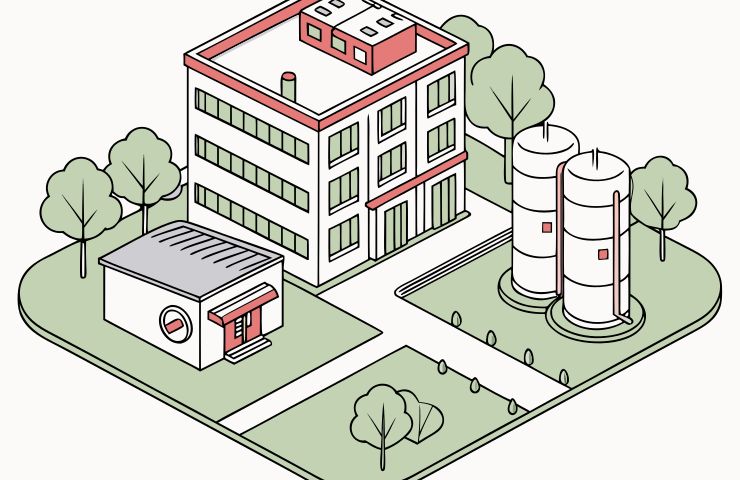
Switzerland’s Energy Gets a Hydrogen Makeover
Ever got sticker shock from sky-high peak electricity fees? Well, Switzerland just rolled out a live trial—yes, a real-world beta—using hydrogen fuel cells to smooth out grid surges and tackle heating loads in district systems. Over two years at the NEST innovation building in Dübendorf, Empa and their partners showed off savings north of 10% on peak charges and hit over 90% total efficiency, all thanks to pure green hydrogen.
Real-World Stress Test
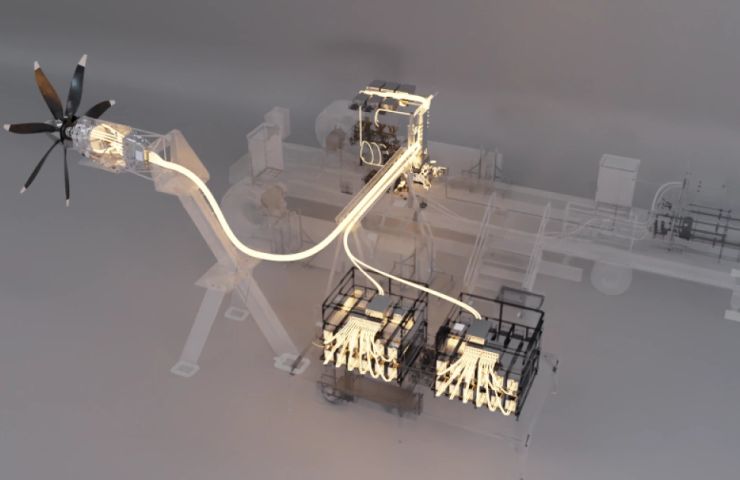
Under the H2 districts banner, Empa teamed up with Hälg Group, Osterwalder Group and H2 Energy AG to hook a stationary hydrogen fuel cell into NEST’s power grid. Empa logged dozens of peak events—each lasting hours—where the cell kicked in seamlessly, pushing electricity and around 35°C heat into the district loop. The result? Real-life data proving you can slash peak-demand fees by over 10%, keep buildings toasty, and respond faster than any battery bank, without hogging space or worrying about degradation.
From Move to Districts
Empa’s journey with hydrogen dates back to the 2010s. After rolling out the move fuel cell vehicle around 2019, researchers shifted gears toward stationary systems. They fine-tuned membrane materials and beefed up stack durability, laying the groundwork for district-scale integration. This demo plugs into Switzerland’s 2019 national strategy on hydrogen and rides the wave of clean energy R&D gains that surged after the Paris Agreement.
Inside the Cells
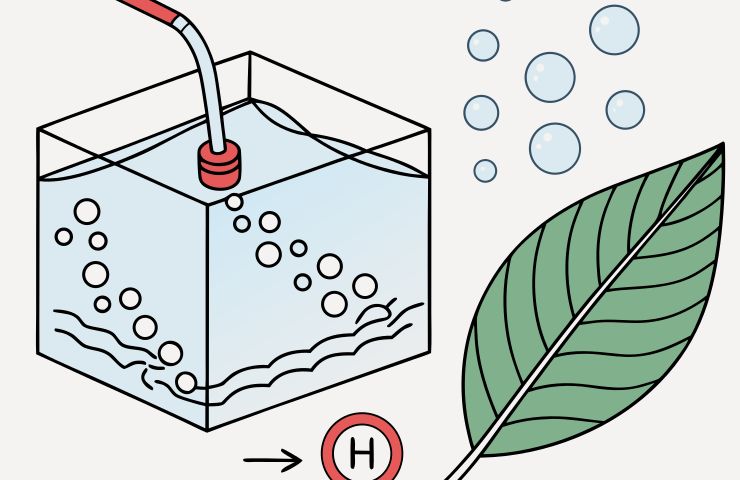
At its core, the demo is all about straightforward electrochemistry. Pressurized green H₂ meets O₂ inside a stack of fuel cells, generating DC electricity. An inverter flips that to AC for buildings or grid export, hitting about 48% electrical efficiency. Meanwhile, waste heat is captured by a heat exchanger at roughly 50% thermal yield. In total, over 90% of the hydrogen’s stored energy returns as usable power or heat—handily outpacing most battery-plus-boiler setups on both space use and round-trip efficiency.
On the Ground
H2 Energy AG covered the green hydrogen supply, while Hälg Group slotted the cell right into NEST’s modular framework. Since 2015, NEST has been Switzerland’s urban energy sandbox, with plug-and-play utility hubs that slash installation time by months. Osterwalder Group engineered the heat integration into local pipes, knitting the demo back into live district heating networks and offering a clear path from lab bench to city block.
Spillover Effects
There’s more to it than just shaving peak fees. Empa’s economic analysis highlights the importance of stacking revenue streams—think peak avoidance, grid services and heat sales—to make projects viable. Plus, lessons from this pilot are already shaping grid code updates in other Swiss cantons and serving as a case study for district heating operators in Germany and beyond. And with green hydrogen, there’s zero onsite combustion emissions, perfectly aligning with Switzerland’s CO₂ reduction targets.
Why It Matters
In the world of sustainable energy, grids are bulking up with heat pumps, EV chargers and digital demand tools that can throw unpredictable spikes at cables and transformers. Batteries help, sure—but they degrade over time, hog real estate and come with recycling headaches. That’s where hydrogen fuel cells shine: they store surplus renewables, deliver long-duration power, and provide heat on demand. NEST’s demo proves these cells can slot into today’s energy mix without waiting for next-gen breakthroughs.
The Strategic Angle
Switzerland’s net-zero goals don’t rest on solar panels and wind turbines alone. They need reliable, low-carbon assets to balance intermittent supply. Hydrogen fuel cells behave like virtual batteries that also shoulder heating loads. That dual role matters for DSOs (distribution system operators) and regulators shaping tariff models. If shaving 10% off peak fees is doable at one site, imagine dozens of cells across urban districts—grid upgrades could be deferred, and system resilience would get a serious boost.
Battery vs. Fuel Cell
Let’s be honest: lithium-ion batteries have sprinted ahead in deployment. They’re efficient and quick to install, but they degrade cycle by cycle and can’t produce heat. Fuel cells, on the other hand, excel when multi-hour buffering meets thermal demand. In colder climates or mixed-use developments, combining heat and power can tip the balance. Pairing batteries for rapid-fire response with fuel cells for sustained offsets might be the sweet spot.
The Road Ahead
Moving from a single research building to full neighborhoods means solving three big puzzles: getting hydrogen production costs below market parity, standardizing plug-and-play integration kits, and building policy frameworks that reward multi-service assets. Operators will need uniform hydrogen fast-fill protocols, urban safety codes for H₂ handling and scalable electrolyzer capacities to sync with local renewables. It’s doable, but only if stakeholders align on shared roadmaps and cost curves.
Maverick Take
Cool demo, but let’s not mistake pilot success for market readiness. Green hydrogen still comes with a price premium over natural gas or grid power. If H₂ stays north of €5/kg, smarter demand response or cheaper battery arrays could deliver a better return on investment. Fuel cells only shine once green hydrogen economics and regulatory regimes shift cost and revenue risks away from pioneers. I’m optimistic, but only if policy, production and market incentives move in lockstep.
Closing Insight
The H2 districts project shows how hydrogen infrastructure can juggle both power and heat in urban settings. It’s a solid step toward resilient, decarbonized energy neighborhoods—but the real challenge lies in turning a high-tech demo into everyday infrastructure and steering us past a battery-only future.