Hydrogen Recycling: HyET Hydrogen Completes FAT for Semiconductor Purification System
HyET Hydrogen and Nippon Sanso have successfully completed the Factory Acceptance Test of an electrochemical hydrogen purification system designed to recycle UHP hydrogen in semiconductor manufacturing, marking a milestone in sustainable gas management and cost reduction for chip fabs.

In today’s world, where gas purity is non-negotiable and the push for industrial decarbonization is stronger than ever, HyET Hydrogen and Nippon Sanso celebrated a major milestone on 2 April 2026. At HyET’s upgraded Arnhem facility, they successfully ran the Factory Acceptance Test (FAT) of an electrochemical hydrogen purification system built to recycle vented UHP hydrogen streams in semiconductor manufacturing. The aim? Cut waste, trim costs, and make hydrogen recycling a standard feature on the fab floor.
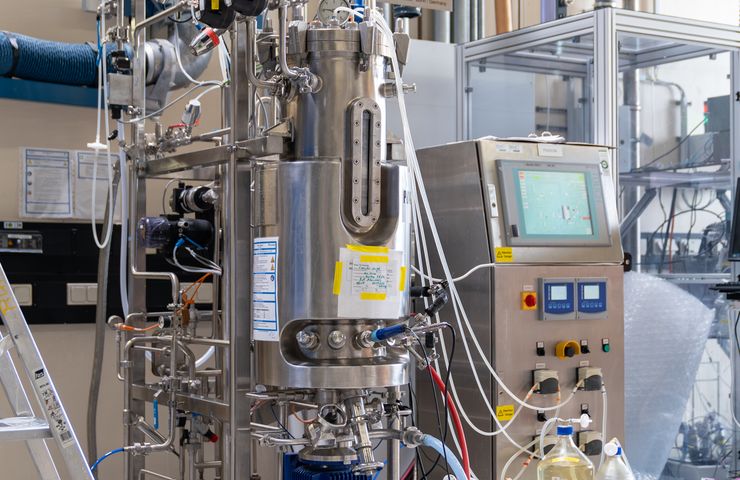
The FAT unfolded under the watchful eyes of Nippon Sanso engineers at HyET’s revamped Arnhem campus, which the Dutch SME moved into on 29 September 2025. The skid-mounted modules hit every performance target, bringing this tech one step closer to live operations in fabs across Asia, Europe and North America.
According to Rombout Swanborn, this FAT proves the platform’s technical readiness and its game-changing potential for hydrogen management in chip factories.
Meanwhile, Kenichi Sugihara from Nippon Sanso pointed out that the system’s rock-solid performance matches the exacting quality demands for semiconductor-grade gases—paving the way for integration into Nippon Sanso’s SSG supply network.
Technical Overview
This skid-mounted electrochemical hydrogen purification system leverages proton-exchange membrane cells to pluck hydrogen ions from vent streams. Once you apply a voltage, H₂ molecules split into protons and electrons; the protons migrate through the membrane while impurities stay behind. On the product side, protons recombine with electrons to deliver genuine UHP hydrogen—no cryogenics or complex adsorption cycles required.
Standout features include:
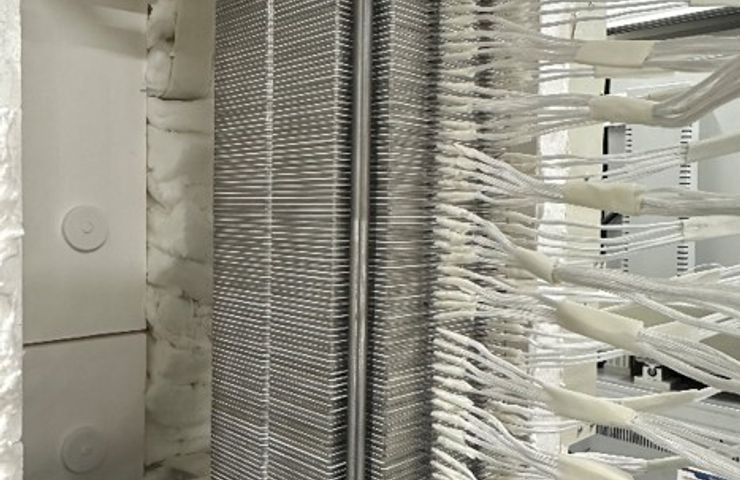
- A modular cell stack integrated with onboard compression and digital control.
- Operation at moderate pressures to curb energy use compared to high-pressure mechanical compressors.
- Scalability—from small pilot flows to the higher throughput newer fabs demand.
Strategic Partnership and Roles
This collaboration pairs HyET Hydrogen—the technology provider—with Nippon Sanso—the customer and system integrator for semiconductor specialty gases. Talks kicked off in 2024 to tailor the platform for ultra-high purity needs, spawning prototype trials and pilot skids before arriving at this successful FAT.
MTSA, a Netherlands-based engineering contractor, handled EPC subtasks to ensure the skid packages comply with local electrical and safety standards. During the FAT, recovery rates and performance metrics met Nippon Sanso’s strict criteria for UHP gas streams.
Market and Sustainability Context
Chipmakers across Asia, Europe and North America are juggling surging demand for EV, AI and 5G chips with supply chain challenges. On top of that, green manufacturing mandates and net-zero pledges are forcing fabs to shrink their process emissions. That’s where on-site hydrogen recycling shines—recover vented gas, slash fresh gas purchases, and lower the CO₂ footprint tied to transport and production.
By integrating electrochemical purification, fabs can tap upstream green hydrogen sources like electrolyzers while boosting overall efficiency in their hydrogen infrastructure.
Company Background
HyET Hydrogen was founded in 2008 by Rombout Swanborn and quickly carved out a niche in electrochemical compression and purification. The launch of its first commercial unit, the HCS 100, in 2017 marked the shift from R&D to real-world deployments. Today, HyET’s modules serve a spectrum of applications—from building heat & power systems at around 2 kg/day up to hydrogen fueling stations near 2,000 kg/day.
After relocating to Arnhem in late 2025, HyET also opened a subsidiary in California to better support North American fab investments and clean energy initiatives.
Industry Implications
Recovering vented hydrogen rather than simply emitting it marks a major departure from long-standing practice. As chipmakers seek every efficiency gain, installing on-site hydrogen recycling could become standard in new fab designs and retrofit projects alike.
Possible ripple effects include:
- Reduced dependence on external gas deliveries, lightening logistics pressures.
- Operational savings that can be channeled into process innovation or capacity growth.
- Tighter alignment with corporate sustainability targets and emerging regulations.
Environmental and Economic Impact
Turning vented streams into high-grade UHP hydrogen shrinks a fab’s annual gas bill and the CO₂ footprint linked to production and transport. HyET Hydrogen estimates that electrochemical purification could cut purification costs to just 15–20% of traditional methods, though independent verification is still pending.
Key benefits include:
- Minimized hydrogen waste and a lower carbon footprint.
- Ongoing cost savings through reduced gas consumption.
- Stronger on-site supply chain control in a volatile market.
Next Steps and Outlook
With the FAT behind them, the partners are gearing up for site acceptance tests at an active semiconductor fab. While they haven’t nailed down commercial commissioning dates yet, early adopter facilities in Asia and North America are already in line.
Independent testing will be key to validate both performance and cost-saving claims. If the results stack up, HyET Hydrogen and Nippon Sanso could set a new gold standard for hydrogen infrastructure in high-tech manufacturing, accelerating the journey toward industrial decarbonization.