Ming Yang and Kemtecnia Partner on Spain’s First AEM Green Hydrogen Project
Ming Yang and Kemtecnia have teamed up to develop Spain’s first AEM electrolyzer for green hydrogen, aligning with national and EU strategies to drive down production costs and bolster energy security and exports.
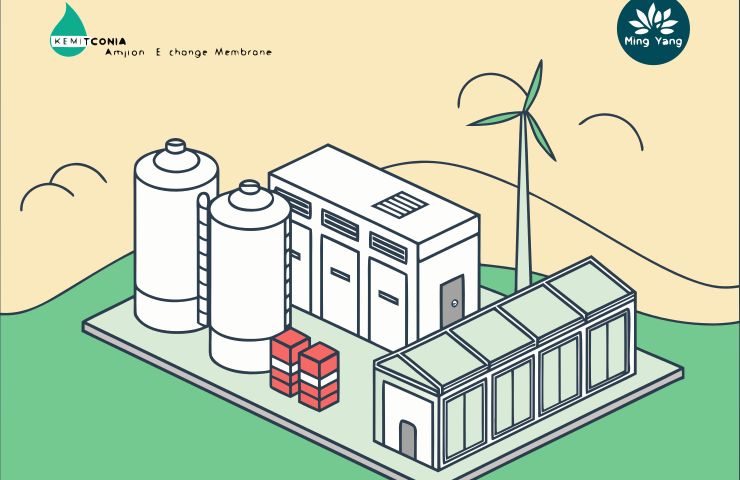
Ming Yang Smart Energy Group, a Chinese wind turbine heavyweight, and Spain’s energy storage guru Kemtecnia has announced a savvy strategic partnership to roll out Spain’s first Anion Exchange Membrane (AEM) electrolyzer. By marrying Ming Yang’s offshore wind mojo with Kemtecnia’s alkaline electrolysis know-how, they’re aiming to slash the cost of green hydrogen, ramp up electrolysis efficiency, and push the envelope on sustainable energy across Spain’s sun-and-wind-blessed regions.
Strategic Implications
Here’s where it gets interesting: Spain’s National Hydrogen Roadmap set a target of 4 GW of electrolysis by 2030, and the EU’s REPowerEU initiative is pouring €5.4 billion into Important Projects of Common European Interest (IPCEIs). This venture slots right into that sweet spot. Instead of building standalone plants, they’ll co-locate modular AEM stacks at offshore and onshore wind substations—so they capture every gust without overloading the grid or curbing production.
On the market side, Ming Yang secures a beachhead in Europe for its wind-to-hydrogen tech, while Kemtecnia gains access to scaled manufacturing and proven design chops. With over 30 GW of wind capacity and sunshine for days in Andalusia and Aragon, Spain is practically tailor-made for low-cost hydrogen production. Locking in long-term offtake deals with refineries, ammonia facilities, steel mills—or exporting to Germany and the Benelux—could turn this into a reliable revenue stream and speed up AEM adoption continent-wide.
Historical and Policy Context
Spain’s hydrogen story kicked off in 2020 with clear targets for electrolyzer roll-out, storage build-out, and regulatory guardrails. Fast-forward to the 2022 energy crisis, and EU IPCEIs began co-funding everything from R&D to commercial demos. At home, the government carved out “hydrogen valleys” in Andalusia, Catalonia, and Navarre—regional clusters where renewables, storage, and industry converge. That’s prime real estate for plugging in AEM stacks.
Earlier pilots—like the 20 MW PEM plant in Puertollano—proved feasibility but highlighted cost hurdles. Kemtecnia refined AEM prototypes back in the 2010s, and Ming Yang kicked off wind-to-hydrogen trials in 2022. This new tie-up is the logical next step: combine proven project finance frameworks with next-generation electrolysis tech.
Technical Snapshot
AEM Electrolyzer
- Anion exchange membrane separates H₂ and O₂ in an alkaline electrolyte
- Runs on renewable power—water goes in, hydrogen and oxygen come out
- Non-noble catalysts keep precious-metal loads down
- Targets capex below legacy systems (industry estimates hover around €500–800/kW)
- Snaps onto wind substations directly, trimming balance-of-system costs and grid headaches
- Water feed could come from desalinated seawater, with a few purification steps
Details like stack count, power ratings, and site layouts are still under wraps until the FEED phase wraps up.
Collateral and Challenges
It’s not all sunshine and rainbows—there are serious upsides and some headwinds to tackle:
- Job Creation—Over 1,000 direct and indirect roles in engineering, construction, and operations
- Energy Security—Cuts Spain’s reliance on imported gas (currently about 99%)
- Export Potential—Enables green hydrogen shipments to Germany, the Benelux, and beyond
- Sector Coupling—Greening ammonia, steel, refining, and heavy transport
But there are a few bumps in the road:
- High upfront investment for AEM stacks and associated equipment
- Supply chain resilience concerns, given reliance on Chinese-manufactured modules
- Grid operator readiness for variable loads in the hundreds of megawatts
- Water resource planning in drought-prone areas—desalination infrastructure is a must
Permitting timelines, environmental impact assessments, and nailing down offtake agreements will steer the final investment decision (FID).
Parallel Developments
Across Europe, AEM demos are popping up in Germany and the Nordics. A German pilot recently hit 1,200+ operating hours, showing the tech is getting its sea legs. Spain’s project could emerge as the gold standard, benchmarking AEM costs against PEM and traditional alkaline setups.
Market Outlook
Analysts expect European hydrogen demand to surge as refineries, chemical clusters, steelmakers, and heavy transport sectors aim for decarbonization. Spain’s generous renewable endowment—paired with pipelines and maritime routes to Germany’s northern ports—positions it as an export hotspot. AEM plants that lock in long-term offtake could undercut incumbents on a €/kg basis, lighting a fire under utilities, private equity, and industrial players. If all goes well, this should accelerate procurement cycles for next-generation electrolyzers Europe-wide.
Key Takeaways
- Strategic Partnership—Blends Chinese manufacturing scale with European engineering to tackle hydrogen production costs
- Co-location—Tying electrolyzers to wind substations squeezes every drop of renewable juice while easing grid strain
- Funding Alignment—Spain’s 2030 hydrogen roadmap and EU REPowerEU funding boost project bankability
- Execution Risks—Supply chain resilience, permitting hurdles, and water sourcing top the watch list
- Market Impact—A successful demo could tip the scales toward AEM when buyers pick electrolyzers
Next Steps
Here’s what’s on deck: wrap up the FEED stage, lock in project finance—likely tapping IPCEI co-funding—and cross the T’s on environmental permits. The teams will also hammer out offtake agreements with local industrial clusters and chart export routes via existing gas networks. The goal is to green-light FID by late 2026, kick off construction in 2027, and fire up the system soon after.
About the Companies
Ming Yang Smart Energy Group
Founded in Zhuhai, China, in 2006, Ming Yang designs wind turbines and integrates renewable systems—including offshore wind-to-hydrogen projects. They’ve been exploring Europe’s hydrogen scene since 2022.
Kemtecnia
Born in Bilbao in 1989, Kemtecnia specializes in hydrogen production systems and industrial gas technology. The company has a strong track record of EU-funded hydrogen R&D and demonstration projects, focusing on alkaline electrolyzer engineering.
If everything lines up, this joint venture could bend the cost curve on green hydrogen, fast-track Spain as a key exporter, and bolster the EU’s push for cleaner, more sustainable energy.