
POST Briefing Sheds Light on the UK’s National Network Plans
June 11, 2026Hydrogen’s come a long way from being just a lab experiment to becoming a real player in our energy game, but it’s not as simple as just slapping together some electrolyzers. It needs a solid network to transport it safely, affordably, and on a big scale. That’s what a recent briefing from the Parliamentary Office of Science and Technology (POST) is all about. They dive into how Britain can weave together a national hydrogen infrastructure that supports reducing emissions in industries and boosts our energy security.
Charting the Hydrogen Highway
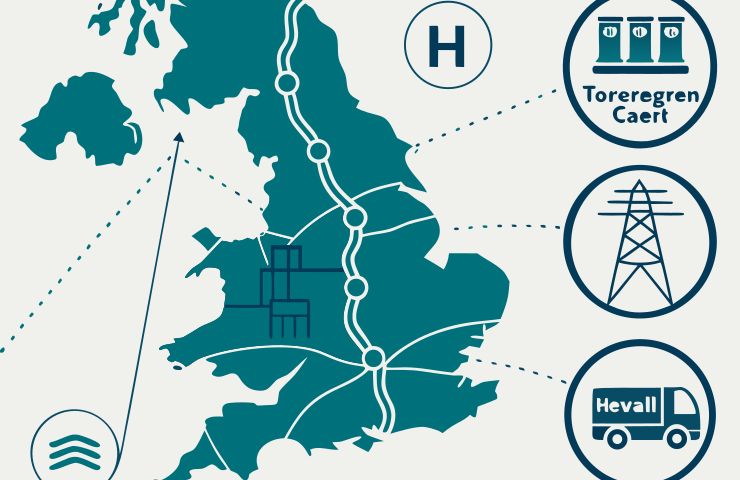
POST isn’t treating hydrogen transport like just another engineering challenge; they see it as a crucial policy mission. Low-carbon hydrogen, created through renewable-powered electrolysis—otherwise known as green hydrogen production—or by reforming with carbon capture, is recognized as a key ingredient in making steel, refining oil, producing chemicals, and even in cement manufacturing. But here’s the kicker: without a reliable way to get it around, production facilities might just be left out in the cold. The briefing lays out an ambitious plan to link regional clusters with around 1,500 miles of pipelines, creating a connected web of renewable hubs from Scotland to the Midlands, and particularly along the eastern corridor. To keep costs down and speed things up, policymakers are considering a blend of repurposed pipelines and new ones, leveraging the existing natural gas grid across the UK.
This isn’t just about building new pipes; POST highlights that revamping what already exists can be a smarter move. It allows them to tap into familiar regulations and operational methods, which cuts down on the time needed to get projects off the ground. However, there’s a catch: not every type of steel or compressor can handle hydrogen, so some parts will need a careful upgrade. This two-pronged approach could make it easier to ramp up hydrogen production capacity while keeping disruptions to local communities at a minimum.
East Coast Takes the Lead
The most developed idea so far is Project Union: East Coast. Led by National Gas, along with regional gas distributors Northern Gas Networks and Cadent, this project aims to connect low-carbon hydrogen facilities planned for Teesside to heavy industry across Yorkshire and the Humber and into the East Midlands. This corridor is particularly significant because it’s home to a slew of steel plants, refineries, and chemical facilities—perfect candidates for the initial hydrogen deployment.
The front-end engineering design (FEED) work is in full swing, with WSP working to explore route options, material choices, and the environmental impacts. Meanwhile, they’re also engaging with the community to understand any land use and landscaping concerns. They’re assessing storage solutions, potentially utilizing geological caverns or modular tanks, to balance the supply from electrolyzers with the demand that varies throughout the day at industrial sites.
Engineering Meets Regulation
But pumping hydrogen isn’t without its challenges. Unlike natural gas, hydrogen is trickier to handle. Its smaller molecules can sneak past seals more easily, and it can cause certain metals to become brittle over time. The FEED phase is tackling these challenges head-on by testing hydrogen-compatible steel grades and designing advanced leak detection systems. On top of that, there are safety considerations like odourisation, pressure management, and emergency response plans specifically tailored for hydrogen’s unique combustion and dispersal properties.
From a regulatory standpoint, the UK government’s hydrogen infrastructure strategic planning policy statement aims to designate major pipelines as national strategic assets. This classification is meant to speed up environmental assessments and planning permissions, all while maintaining rigorous safety checks. Clear regulations concerning pipeline connections, third-party access, and maintenance standards will be crucial for unlocking funding for these projects.
Building the Business Case
Now, constructing infrastructure on such a massive scale means shelling out billions upfront, which raises red flags about cost recovery and who bears the risk. To entice investors, project developers and policymakers are looking at various strategies: from connection charging frameworks to clean hydrogen offtake agreements, and other financial instruments backed by the government for initial project phases. If producers can secure early contracts with industrial clients, that could give the financial backing needed to get these projects off the ground.
Europe’s ongoing hydrogen initiatives in Germany and the Netherlands provide some valuable insights. They’ve shown that when state support teams up with private-sector engineering prowess, project development can really move ahead quickly. But POST cautions that market regulations need to keep pace with technological advancements; without a functioning pricing mechanism for low-carbon hydrogen, we could end up with stranded assets.
Beyond the Eastern Corridor
While the East Coast corridor is making headlines, the vision stretches far and wide. Scotland’s offshore wind farms can feed into green hydrogen plants, while industrial regions in Wales could connect through revamped pipelines. This modular, phased network strategy—testing concepts in smaller corridors before moving larger—echoes practices found throughout Europe and highlights the need for synergy among production methods, hydrogen storage methods, and transport.
Key design questions still linger: how do we find the right balance between using repurposed versus new pipelines? What’s the most effective subsurface storage capacity? And how fast can compressor stations be approved for hydrogen service? Each of these answers will have a significant impact on operational flexibility and long-term resilience.
The Road Ahead
Creating a unified hydrogen infrastructure network is going to require tight collaboration among government bodies, regulators, engineering firms, and industrial consumers. If they nail this, it could completely reshape the energy landscape in Britain—drawing in fresh investments, drastically cutting CO2 emissions in hard-to-decarbonize sectors, and enhancing energy security by going beyond just natural gas.
The POST briefing serves as a guide, pointing out technical hurdles and policy dilemmas that will influence the network’s feasibility. As the FEED studies wrap up and planning applications proceed, we’ll see more concrete plans for Britain’s hydrogen backbone. The decisions being made right now—whether it’s about routes, materials, or market structures—are going to have consequences for years to come. The big question is whether this mix of engineering ingenuity, financial strategy, and policy smarts can live up to hydrogen’s potential to decarbonize heavy industries and spark the next wave of growth in the UK.


 With over 15 years of reporting hydrogen news, we are your premier source for the latest updates and insights in hydrogen and renewable energy.