Power Purchase Agreements expand to renewable hydrogen and biomethane
The European Commission is broadening Power Purchase Agreements across Europe to include renewable hydrogen, biomethane, and clean thermal energy, aiming to secure long-term financing and accelerate the Green Deal.
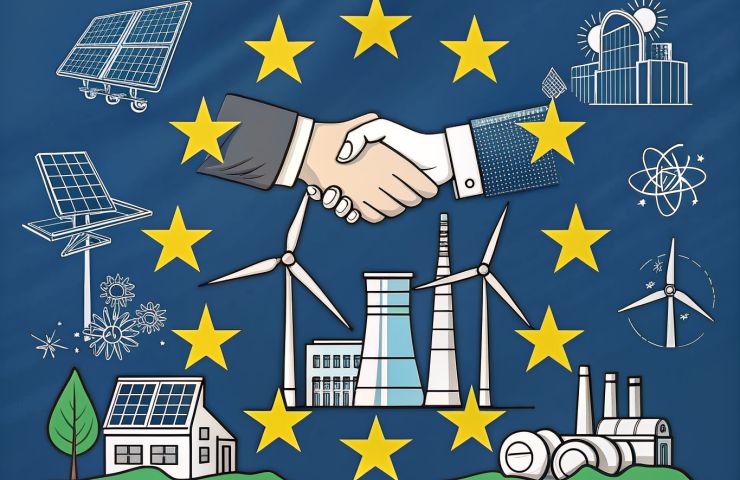
In perfect step with the EU Green Deal drive to decarbonize and secure Europe’s power supply, the European Commission just unveiled a fresh initiative. It’s all about taking the recent surge in Power Purchase Agreements (PPAs) for wind and solar and extending that model to renewable hydrogen, biomethane, and even clean heating and cooling solutions. At its core, the plan aims to lock in stable, long-term financing, ease off those roller-coaster spot markets, and supercharge the EU’s move towards a clean energy transition and net-zero.
Bringing PPAs to the Next Frontier
You’ve probably seen headlines about PPAs reshaping the solar and wind landscape. Essentially, these contracts promise buyers a set price for energy over 10 to 25 years—no nasty surprises. That kind of predictability makes banks nod in approval and investors lean in. After the post-2022 energy shock, PPA signings shot up by around 30% year-on-year, as companies scrambled to dodge market spikes. Now, the Commission wants to keep that momentum rolling. They’re cooking up standardized PPA templates and clear guidelines to help every member state cut through the red tape. Stakeholder input will inform a guidance paper dropping later this year, while fresh credit support will help smaller developers nail down their Financial Investment Decisions faster.
Technology Made Simple
So, how’s this going to work for renewable hydrogen? Picture electrolyzers humming away, powered by wind or sun, splitting water into hydrogen and oxygen—no carbon footprint at the source. Green certificates tag every molecule, so you can trace it from the turbine blade to the final fuel cell. Bonus? Those electrolyzers can also flex their output to help balance the grid. Then there’s biomethane: take organic leftovers—crop residues or kitchen scraps—and let them ferment in anaerobic digesters. The biogas that bubbles up gets scrubbed clean, leaving behind methane that slips right into existing gas pipelines or heats up a boiler onsite. Tie these technologies to reliable offtake agreements, and developers can secure loans, plan expansions, and drive down costs as they scale.
Solving Real-World Problems
This isn’t just theory. Hard-to-decarbonize sectors—think steel mills, chemical plants, heavy-duty transport—can use green hydrogen both as a feedstock and a fuel, slashing emissions where electrification hits a wall. District heating networks, those massive hot-water loops under our cities, can blend in biomethane without ripping everything out. Even big cooling systems stand to gain: imagine PPAs backing chillers that skip HFC refrigerants in favor of low-global-warming alternatives. Early chats with manufacturers and public utilities show a hunger for multi-year offtake deals that match their sustainability roadmaps.
Made in Europe, Made for Europe’s Future
One of the best bits? This approach could light a fire under local manufacturing and skills development. Europe already boasts top-tier R&D in electrolyzer membranes and digestion tech. By pushing member states to set up national production hubs, we’re looking at new jobs in engineering, assembly, and maintenance. Germany, Spain, and Poland are already scouting sites for factories, and SMEs could see faster procurement processes. It’s a local-first mindset designed to drive down costs, speed up rollouts, and knit together a robust pan-European supply chain.
Environmental and Economic Impact
Rolling out Power Purchase Agreements into renewable hydrogen and biomethane isn’t just fancy finance—it’s a direct path to big emissions cuts and fresh economic growth. Early estimates suggest that channeling long-term contracts could pull in tens of billions of euros in private capital over the next decade. Cleaner fuels translate to lower CO₂ in heavy industry, power plants, and district heating grids. We’re also ticking off circular economy goals by turning organic waste into value. And as cross-border hydrogen corridors emerge, Europe cements its spot as a clean energy powerhouse, while creating tens of thousands of roles—from lab researchers to plant operators.
Strengthening Europe’s Energy Security
We’ve all seen how geopolitical tensions can rock fossil fuel supplies. This initiative aims to change the game by boosting homegrown production of renewable hydrogen and biomethane. Seasonal hydrogen storage and biomethane blends in the gas grid add cushion when demand spikes. Better yet, the revenue visibility from PPAs makes banks more willing to lend, taking projects quicker from pilots to full-scale operations.
Policy Framework and Support Mechanisms
Backing all this is a toolbox full of policy levers. The Commission plans to weave PPA incentives into the Innovation Fund, Horizon Europe grants, the Connecting Europe Facility, and Important Projects of Common European Interest (IPCEIs). Updated state aid rules will cater to the quirks of hydrogen and biomethane ventures. Harmonizing permitting procedures and syncing up national regulations will cut through the bureaucratic jungle. Plus, best-practice PPA templates and training programs will help smaller developers and local communities join the party.
Challenges and Next Steps
No big plan is without hurdles. Upfront costs for electrolyzers and upgrading biogas plants remain steep, and we’ll need grid upgrades to handle fresh flows of hydrogen and biomethane. Dependence on critical minerals for components is another wrinkle. To tackle these issues, the Commission will keep a close eye on pilot PPA schemes, gather feedback, and tweak support measures as we go. Upcoming regulatory updates will roll out clear certification standards for renewable gases, giving everyone more market clarity.
Looking Ahead
All in all, this move shows how smart financial tools like Power Purchase Agreements can spark innovation, drive down emissions, and generate jobs. By pushing PPAs into the realms of renewable hydrogen and biomethane, the EU is delivering on its EU Green Deal promises, boosting energy security, and nurturing a homegrown clean energy transition. We can’t wait to see these long-term contracts roll out at scale—a crucial step toward a net-zero Europe, truly made in Europe for Europe’s future.