Rostec and BelAZ Launch JV for Hydrogen Fuel Cell Autonomous Mining Trucks
Rostec and BelAZ have launched Robleks JV in Moscow to produce 220-ton hydrogen fuel cell autonomous mining dump trucks in Russia, aiming to cut diesel reliance and zero out emissions amid sanctions.
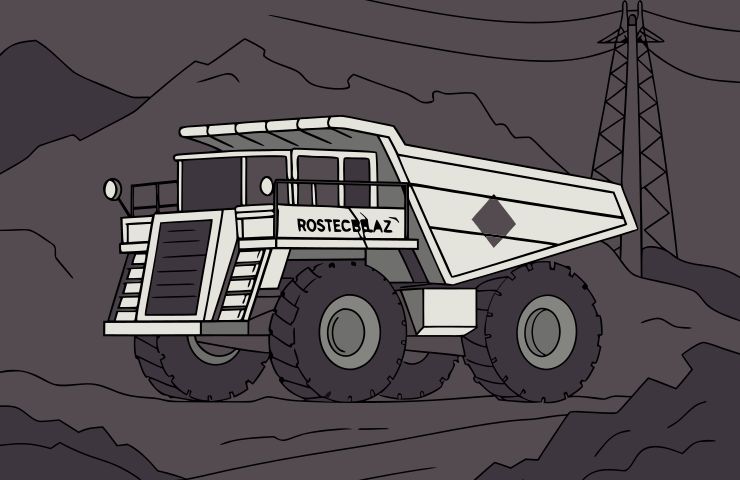
Hold onto your hard hats: Rostec and BelAZ have teamed up to marry Russia’s heavy-industry muscle with a hefty dose of hydrogen hype. Meet Robleks, their new Moscow-based venture set to crank out 220-ton, hydrogen fuel cells-powered, autonomous mining dump trucks for the home market.
What It Means
If you’re knee-deep in the mining game, the pitch is pretty straightforward: knock your fuel bill down by up to 50% and kiss CO₂ emissions goodbye on the haul roads. With Western sanctions squeezing diesel imports and freight rates climbing, hydrogen steps up as the new dark horse. This isn’t just a flashy PR move—majors like Nornickel and Gazprom Neft are already eyeing hydrogen haulage to hit Russia’s climate pledges. If Robleks can hit its cost and uptime marks, procurement teams across the Arctic could have a rethink. But let’s be real: hype often outpaces reality in energy shifts, and some buyers might hold off until there are rock-solid case studies.
What Changed
Through this JV, BelAZ leans on its haulage cred—over 130,000 trucks delivered, claiming north of 90% of Russia’s mining market—while Rostec flexes state-backed financing and defense-industry know-how. As of this month, Robleks holds exclusive rights to build and sell these AI-driven giants nationwide, building on a September deal to ship prototypes to coal mines. Rostec’s RT-Business Development arm and BelAZ’s export unit will steer operations, though the equity split and annual output targets remain under wraps. It’s pitched as a turnkey solution: assembly, after-sales support and even autonomous-crew training, all with tariff breaks through 2026.
Historic Backdrop
Here’s a quick rewind: BelAZ started life in 1948 hauling peat out of Zhodino and has since grown into a global titan, with dump trucks up to 450 tons in 70+ countries. Post-2014 sanctions pushed it toward import-substitution, cementing that 90%+ home-market share. The first hydrogen prototype—the 130-ton 7513M—rolled out in 2023, followed by custom hydromechanical transmissions for 290-toners last year. Meanwhile, Rostec, born in 2007 to back high-tech projects, has funded blue-hydrogen CCUS pilots and championed a gas freight corridor to China. Its CO₂-capture tie-ups with Gazprom gave the JV serious momentum. At its core, Robleks is a policy win: localize green tech, pivot defense smarts into mining, and sidestep supply-chain snags.
Tech Highlight: Hydrogen Fuel Cells
Here’s the geeky bit: high-pressure hydrogen feeds a fuel-cell stack where a platinum catalyst splits H₂ into electrons and protons. The electrons juice up electric motors, while protons hook up with oxygen to yield water—no CO₂ tailpipe, just H₂O. Any extra juice tops off a lithium-ion battery pack for peak loads, trimming fuel costs by 30–50% versus diesel, per the JV. Tanks hold H₂ at 350–700 bar, and safety vents auto-open if pressures spike. With 60–65% efficiency, these stacks leave diesel’s 35–45% in the dust. Fast refueling—minutes, not hours—plus 24/7 autonomous ops tackle driver shortages and uptime demands. Under the hood, computer vision, neural nets and 5G telemetry map terrain and coordinate fleets in real time. The only by-product? Water. The catch? Steep CAPEX and the need for ultra-pure hydrogen.
Strategic Angle
This JV isn’t only about green cred—it’s Russia’s insurance policy against diesel crunches under sanctions and a play straight out of the Hydrogen Strategy 2030, which aims for a 20% market share. It doubles down on import-substitution by planning local production of fuel-cell stacks, transmissions and AI modules. Thanks to Eurasian Economic Union rules, BelAZ imports dodge tariffs until 2026. And rumors of China-bound hydrogen corridors hint at a future Asian export lane if the tech holds water. Politically, it’s a show-stopper: homegrown hydrogen haul trucks tick off energy sovereignty and tech independence for the Kremlin. For BelAZ, it cements its Russian stronghold; for Rostec, it diversifies into sustainable energy.
A Critical Look
Don’t let the buzz blind you to the hurdles. Russia’s hydrogen network is embryonic—electrolyzer plants gulp CAPEX, blue hydrogen can leak CO₂, and refueling stations are few and far between. Heavy steel tanks and sensors add weight, cutting into payload. Cold-weather performance and long-term durability in subzero conditions remain untested. Sanctions could choke off catalyst and electronics supply. I’m eager to see Robleks’ rollout plan for refueling—modular pumps along existing roads or full builds from scratch? And just because autonomous rigs ace a controlled pit trial doesn’t mean they’ll handle black ice and steep Arctic slopes. Every energy hype cycle has underdelivered on promises.
In the Broader Market
The global race is on. China’s building hydrogen corridors, Australia’s flooding the market with green H₂-based ammonia, and Caterpillar’s testing fuel-cell excavators Down Under. Komatsu’s electric haul trucks have logged serious hours in Canadian mines, and Europe’s offshore-wind-to-hydrogen projects could drive prices south. Against battery-electric haulers, hydrogen boasts long range and lightning-fast refueling—but can it deliver on zero-emission technology at scale and at a price that makes sense? We’re watching for leasing models—think battery-as-a-service—to spread upfront CAPEX. If supply chains seize up or prices nosedive, Robleks’s whole model could wobble.
Looking Ahead
Keep your eyes on field trials in Khakassia and Kuzbass—they’re the real litmus test. Will fuel use actually halve, and can these autonomous beasts handle shifting slopes and hidden patches of ice? Uptime versus maintenance will make or break the business case. Regulators are circling too—will Russia tighten emissions targets to favor zero-emission technology, or ease mandates to protect diesel fleets? A win could cement Russia’s lead in industrial decarbonization; a flop might relegate Robleks to a footnote in energy transition history. This JV is the country’s boldest wager on marrying hydrogen infrastructure, fuel-cell tech and AI in mining, and I’ll be watching every metric.