Salt Cavern Hydrogen Storage Project Launches in Henan
China launches million-cubic-meter salt cavern hydrogen storage in Henan, enhancing large-scale clean energy storage and grid stability.
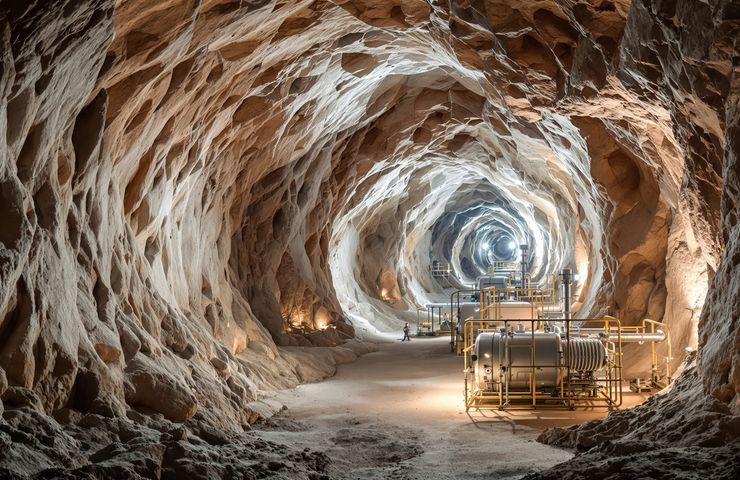
China has just flipped the switch on its first million-cubic-meter salt cavern hydrogen storage facility in Henan province, and it’s a real game-changer for hydrogen energy China fans. According to Interesting Engineering, this new twist on Henan hydrogen storage fits right into Beijing’s overall sprint toward carbon neutrality by 2060, thanks to its Hydrogen Industry Development Plan. The idea is pretty neat: carve huge caverns out of salt layers underground, then use them to stash extra hydrogen whenever sun and wind power go into overdrive. It solves that annoying “what do we do with all this green energy” dilemma. While we don’t know who’ll run the show just yet, the move says loud and clear that China is gunning to lead the global hydrogen economy—and cut down on wasted renewables along the way. Plus, it’s a big win for renewable energy integration across the grid.
How the Technology Works
At its core, this salt cavern hydrogen storage trick isn’t rocket science—but it’s pretty clever. First up, engineers pump fresh water into deep salt rock, which dissolves to carve out a neat hollow. Next, they sink shafts down, keep an eye on how the cavity shapes up, and drain the salty brine away. Voila—you’ve got a sealed underground chamber. From there, surplus hydrogen (made by electrolyzers juiced by wind and solar) is pressurized and injected into these voids. Thanks to salt’s natural sealant qualities, leaks are virtually non-existent, even under high pressure. When power demand spikes or the sun goes behind a cloud, operators simply bring the hydrogen back up. That gas can then fuel turbines or feed fuel cells, turning straight back into electricity—or slide right into heavy industry as a clean feedstock. It’s a smart, tried-and-tested way to handle big swings in renewable output.
Solving Real-World Storage Challenges
Let’s be honest: storing enormous amounts of energy is one of the toughest puzzles for countries chasing renewables—especially if they want solid renewable energy integration. That’s where salt cavern hydrogen storage shines as a wallet-friendly, long-haul option. By turning extra wind and solar power into hydrogen and tucking it away underground, operators sidestep the nasty problem of curtailment—no more telling turbines to cut output because there’s nowhere for the juice to go. Then, when factories or the grid need a boost, that green hydrogen can be released. Industries like steelmaking, chemicals, and refining jump at this chance to swap out fossil inputs for zero-carbon hydrogen, slashing their emissions. And as China’s wind farms and solar parks keep popping up, the need for large-scale hydrogen storage only grows. Beyond fueling factories, cycling hydrogen in and out of storage can help smooth out bumps in grid frequency and voltage, making everyone’s lights stay on without a hitch. With about 200 tonnes tucked away at normal pressure, this Henan site could back up hundreds of megawatts for hours—proof that hydrogen is more than a buzzword when it comes to real-world energy management. It’s a cornerstone for renewable energy integration, stitching clean power into the grid fabric day and night.
Made in China, Made for China's Future
When it comes to rolling this out, the mantra is ‘Made in China, Made for China’s future.’ Leveraging Henan’s rich salt formations and decades of local mining expertise keeps costs in check, while giving a lift to regional economies. From drilling rigs and sensors to compression units, local suppliers are stepping up, laying the groundwork for a robust, homegrown supply chain for hydrogen infrastructure. And it’s not just machinery—training programs are popping up to upskill technicians and engineers in the art of managing salt cavern hydrogen storage sites. All of this means faster project timelines, more jobs, and a deeper bench of talent ready to replicate success stories across the country. In short, this approach showcases how hydrogen energy China is tapping domestic know-how to build an industry that’s as Chinese as it gets—competitive, cost-effective, and geared for export down the road.
Community and Environmental Benefits
Beyond the tech talk, this Henan hydrogen storage barn has some serious community perks. By hoarding green hydrogen underground instead of burning coal or gas, the facility cuts out a chunk of CO2 and other nasty pollutants—making the air a whole lot fresher around busy industrial zones. For a province known for steel mills, cement works, and chemical plants, having a reliable, on-demand supply of clean hydrogen means those smokestacks get a greener alternative on tap. During construction, hundreds of locals found work in drilling, engineering, and monitoring roles—so it wasn’t just big machines that got turned; lives got turned around too. Down the line, this project could become a blueprint for other regions aiming to curb greenhouse gases and boost public health. It’s proof that tackling pollution and supporting community well-being can go hand in hand with building cutting-edge energy infrastructure.
Global Outlook and Next Steps
When you zoom out, China’s latest salt cavern play is putting it on the global map. European countries have tapped salt caverns for natural gas storage since the 1970s, and pilot projects for hydrogen popped up in the UK and US around 2018. But few have gone as big, as fast, as Beijing is doing. Under its Hydrogen Industry Development Plan, China plans to churn out 200,000 tonnes of green hydrogen a year by 2025—and locker-room-style facilities like this one will be crucial to hit those goals. Looking ahead, China could start exporting its salt-cavern expertise to other parts of the world with similar geology, shaping global supply chains for large-scale hydrogen storage. While we’re still waiting to hear the full list of partners and backers, this launch makes one thing clear: hydrogen energy China is moving from lab benches to industrial belts, and we’ll likely see more of these setups powering cleaner, more resilient energy systems in the months and years to come.
In a nutshell, the Henan salt cavern hydrogen storage venture marries time-tested geology with China’s ambitious carbon-neutral goals. It ticks all the boxes: tapping local resources, driving down costs, sparking job growth, and cleaning up the air around heavy industries. While further expansions beyond the initial one million cubic meters haven’t been officially detailed, the facility itself speaks volumes. It shows how hydrogen energy China can leverage large-scale hydrogen storage to stitch renewables into a stable, reliable grid—and even share that expertise with the rest of the world.