Gasvalpo Hits 10% Green Hydrogen Blend in Chile’s Natural Gas Network
Gasvalpo achieved 10% green hydrogen blending in Coquimbo’s gas network, the first in South America, using solar-powered electrolysis and partners Pietro Fiorentini and UTIS, backed by Marubeni.
You can forget the buzz around “hydrogen hubs”— Gasvalpo quietly pumped a 10% green hydrogen blend into its live natural gas network in Coquimbo. It’s South America’s first real-world demo of a mix that could go up to 20%, and they did it without tearing out any pipelines.
Core News
This month, Gasvalpo—Chile’s oldest gas distributor—surprised everyone by hitting that 10% mark on its residential network across Coquimbo Province. They call it the H2GN pilot, kicked off in late 2022 and now feeding hydrogen-enhanced fuel to over 2,000 homes and businesses. The majority stakeholder, Marubeni Corporation, sees it as a key move in their South American industrial decarbonization playbook.
Why it matters: Dialing in 10% shows you can integrate hydrogen infrastructure smoothly over existing pipes, unlocking big CO₂ cuts without a full network overhaul. It’s proof Chile can stop drawing up roadmaps and start rolling out green hydrogen in earnest.
Historical Context
Since 1853, Gasvalpo has been a pillar of Chile’s gas scene, managing pipelines for almost 170 years. In 2021, Tokyo’s Marubeni stepped in as the main backer, bringing its global trading clout and lessons from trials in Australia and Portugal. The H2GN pilot now stands as South America’s first end-to-end experiment in producing, mixing, and distributing green hydrogen at scale.
Why It Matters
Mixing in green hydrogen—made through solar-powered electrolysis—with natural gas slashes CO₂ from everyday heating and cooking. By piggybacking on the pipes already underground, Gasvalpo sidesteps those wallet-draining retrofit bills. Scale this up, and you’re looking at cutting tens of thousands of tonnes of carbon every year, with no new boilers or stove upgrades needed.
The Tech at Work
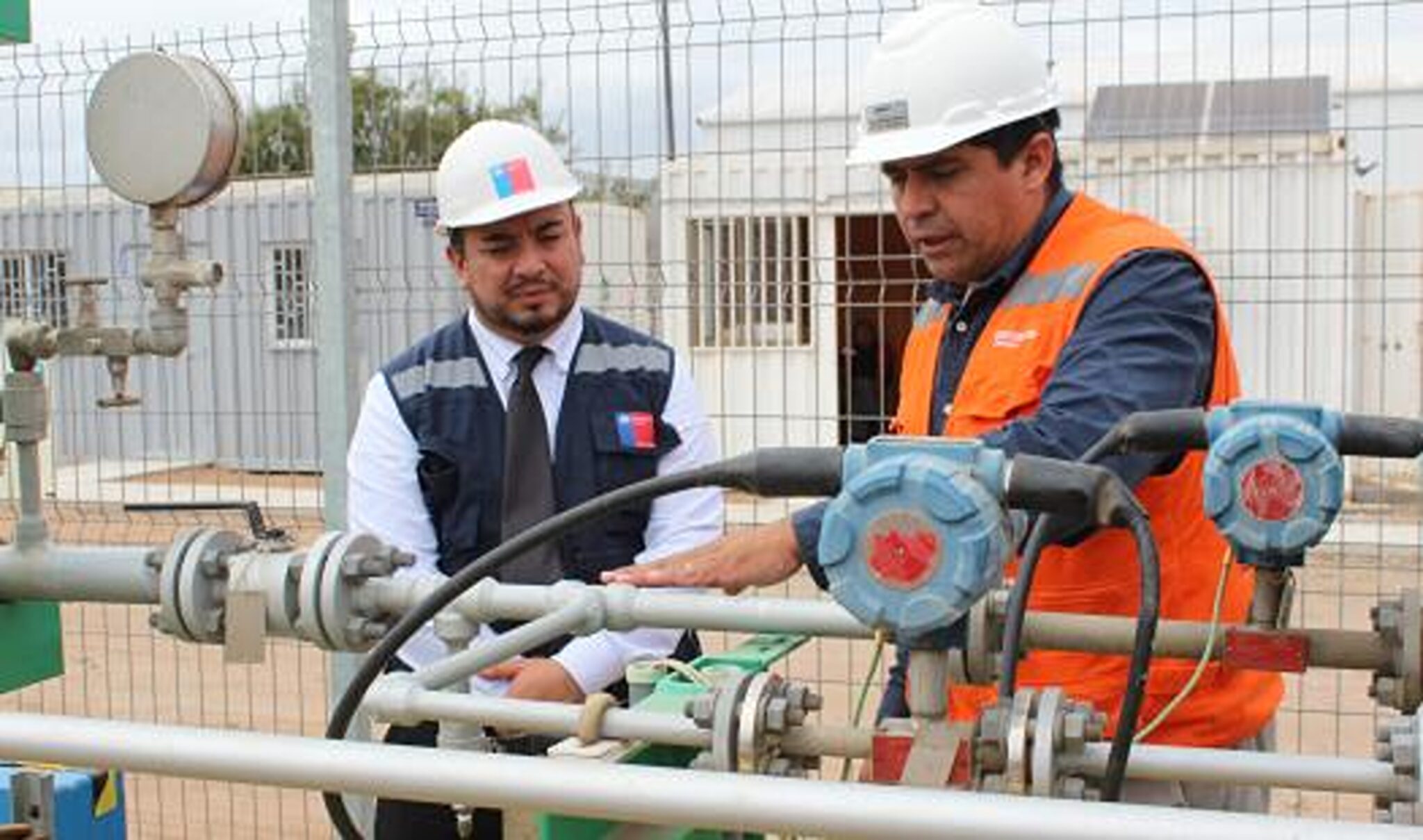
The system boils down to two heavy hitters. First, Italy’s Pietro Fiorentini designed the hydrogen blending station, letting teams tweak the H₂ share in 1% increments all the way up to 20%—thanks to PLC-controlled valves and real-time monitoring. Second, UTIS’s UCHP unit purifies and conditions the hydrogen, dialing in the pressure, temperature, and purity to meet strict pipeline specs.
Behind the scenes, solar panels power an electrolyser that performs electrolysis to split water into clean hydrogen and oxygen. That hydrogen then flows to the blending station, where operators watch flow rates, pressure spikes, and gas composition to keep the hydrogen infrastructure safe and compliant with Chile’s regulations.
Strategic Implications
For Marubeni, this isn’t just a branding play—it’s staking a first-mover edge as Chile crafts rules for domestic hydrogen markets and export corridors. Investors eyeing Latin America’s renewables boom are watching to see if Gasvalpo can turn this pilot into a dependable revenue stream.
Meanwhile, Chile’s national hydrogen strategy has its sights set on becoming a top global exporter by 2030. Proving injection tech works at customer scale unlocks financing, regulatory green lights, and helps build out local supply chains for electrolysers and pipeline conversion services.
Local Impact
Coquimbo Province is in the spotlight for good reason. Known for mining and agriculture, it boasts stellar solar irradiation—ideal for green hydrogen experiments. Local officials, from the Energy Ministry’s superintendent to city mayors, have backed the project, viewing hydrogen as a fresh economic driver. And as the pilot grows, look for new jobs in operations, maintenance, and system monitoring.
Early Results & Lessons
So far, it’s been smooth sailing—no leaks, no customer complaints, and the standard odorant mix is holding up just fine. That said, learning from other pilots, there are warnings about material wear and odor fade above 20% H₂. Gasvalpo has already set up ongoing inspections and material testing, especially on its older pipeline stretches.
Economics & Business Model
Right now, at a 10% blend, green hydrogen is a small slice of total volume, so there’s a slight cost premium. The upside? You get to market a low-carbon product that customers can brag about. The real game-changer will be locking in long-term renewable power contracts and securing affordable financing for additional electrolysers to drive down costs.
If Gasvalpo can push that blend to 15% or higher, they can fine-tune pricing, lobby for favorable tariffs or carbon credits, and even attract big industrial off-takers—think mining or manufacturing—who’d buy bulk supply at higher H₂ ratios, creating the scale needed to further slash unit costs.
Challenges & Caveats
Don’t mistake this milestone for the endgame. Chile’s regulations still categorize hydrogen in natural gas as an “impurity,” so you’re looking at a fair bit of legal wrangling to get blended gas recognized as a co-commodity rather than a contaminant.
On top of that, will consumers bite when a small surcharge appears on their bill? Do installers and technicians need specialized training? And can the pipelines hold up if blends exceed 20%? Those are the big questions that lie ahead.
Regulatory Hurdles
Currently, Chile’s gas rulebook doesn’t distinguish between pure natural gas and hydrogen blends beyond odor requirements. Gasvalpo is in talks with the Energy Ministry to nail down approval protocols, safety standards, and quality checks. Without ironclad guidelines, scaling beyond this pilot could hit snags.
Investor Watch
Money managers and development banks are circling hydrogen projects like hawks looking for high-risk, high-reward bets. Gasvalpo’s trial could set the benchmark for investment decisions. If they hit that next milestone—15% at a competitive green hydrogen price—we’ll likely see a rush to fund new electrolysers and other hydrogen infrastructure upgrades.
Community Response
Residents and small businesses are already giving thumbs up, though detailed surveys on tariff changes haven’t happened yet. Local industries, especially in Coquimbo’s mining sector, are keen to experiment with higher blends for process heat. Community outreach has been key to easing safety concerns and showcasing how odorants keep gas smelling normal.
Global Outlook
Pilots from Europe to North America are flirting with blend levels between 5% and 20%. What sets Gasvalpo apart is its full production-to-distribution model: solar-powered electrolysis feeding a live network. If this proves scalable, look out for similar projects in Australia’s remote mines and the Middle East’s sun-drenched deserts.
Perspective
From my seat as The Maverick Analyst, this is a necessary step but just one chapter in the story. Blending is a transitional tactic—the real prize is building out entire hydrogen value chains for transport, industry, and power. Gasvalpo has shown you can tweak your pipelines, but the uphill battle remains creating genuine industrial decarbonization demand and driving prices down at scale.
Looking Ahead
Looking ahead, Gasvalpo has designs on a 15% blend by year’s end and plans for pilots in industrial zones where electrification doesn’t cut it. If those hit the mark, Chile could tap into hefty export revenues by shipping hydrogen or converting it into clean ammonia. But here’s the real plot twist: can regulations, technology, and the market all move fast enough to match the ambition? That’s what we’ll be watching.
At the end of the day, this 10% injection might not move the climate needle overnight, but it’s a solid proof-of-concept: existing gas networks can carry green molecules. Now comes the heavy lifting—turning R&D into a lasting business and jumpstarting the hydrogen infrastructure the world needs.