Industrial Decarbonization: Hyca Heat’s Hybrid Catalytic Process Heat System
Hyca Heat’s modular hybrid catalytic heaters can switch between electricity, natural gas and hydrogen to deliver precise, low-emission process heat up to 1,000 °C, with a demo plant slated for a German paper mill.
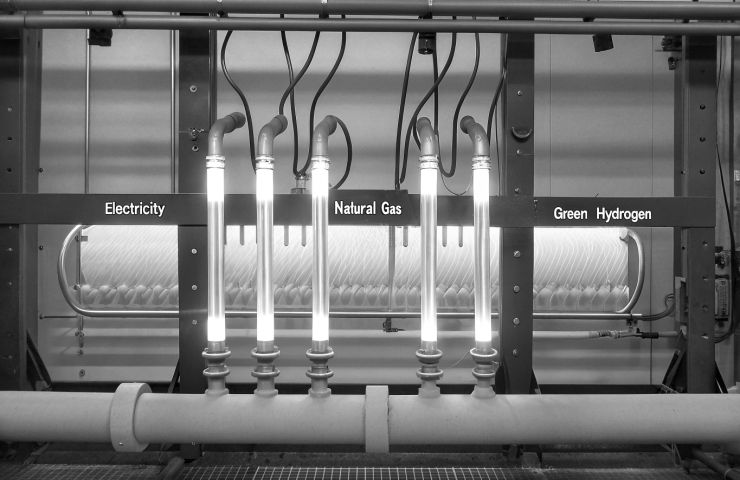
Ever stopped to think about whether your city’s factories could keep cranking out paper, textiles or chemicals without belching out huge carbon emissions? Hyca Heat is convinced it can pull off exactly that trick. By pairing cutting-edge catalysis with smart, digital controls, this German start-up is betting on a whole new chapter in industrial decarbonization.
Here’s the deal: industrial process heat is a massive energy guzzler, responsible for nearly one in seven tonnes of CO₂ in Germany alone, almost all of it from burning fossil fuels. Picture the roaring dryers in paper mills, the blazing furnaces in steel shops or the ovens in chemical plants. Until now, companies faced a stark choice—fork out for pricey renewable electricity or keep cozying up to carbon-heavy gas and oil.
Enter Hyca Heat. Born out of public research at Forschungszentrum Jülich (you might know the team as Clean H2eat), this spin-out is the brainchild of folks like Dr. Simon Hahn, a chemical engineer who’s spent years perfecting a system that swaps between electricity, natural gas and green hydrogen on the fly—no tear-down, no massive refit.
They’ve caught a tailwind from Germany’s national hydrogen strategy and the EU’s push to slash industry CO₂. Since Brussels rolled out Fit for 55 and set aside big pots of cash for electrolyzers and decarbonization projects, innovators like Hyca Heat have had the policy backing to turn lab breakthroughs into real-world gear.
Hybrid Catalytic Process Heat Unpacked
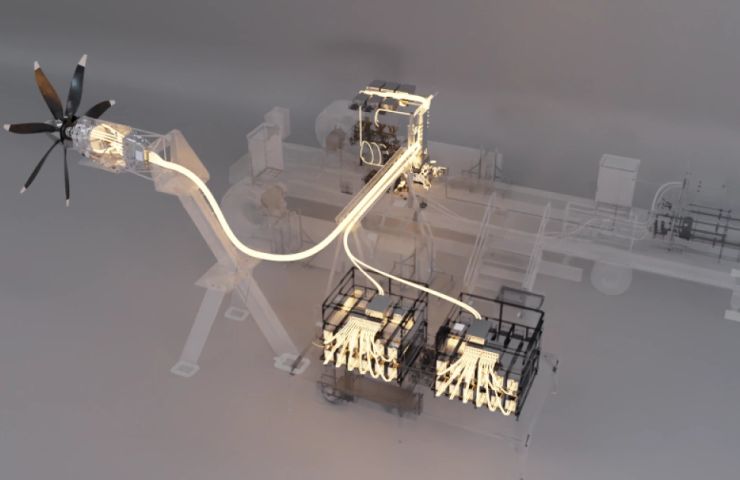
At the heart of the Hyca Heat Hybrid Catalytic System are compact modules stuffed with metal wires coated in special catalysts. Flip the switch to electricity, and these wires act like precision resistance heaters, holding super-steady temperatures across a wide band. Flip over to gas—whether it’s pipeline natural gas or truly low-carbon green hydrogen—and those same wires spark flameless combustion. Oxygen meets catalyst, heat lights up without a visible flame, and NOx stays in check. Operators can dial in anything from 30 °C for gentle drying all the way up to 1,000 °C for processes like sintering.
From Research Lab to Spin-Out
Behind the scenes, the Institute for a Sustainable Hydrogen Economy at Forschungszentrum Jülich has been tinkering with catalyst coatings, mapping combustion dynamics and fine-tuning control algorithms for years. When Germany’s hydrogen blueprint landed, the team seized the chance to adapt those insights to industrial heat—which gobbles up nearly a quarter of the world’s process energy. Spinning out as Hyca Heat let them zero in on building hardware that factories can actually bolt on.
Flexibility without Retrofitting
One of the coolest bits? These modules slip right into existing heat loops. No ripping out old burners, no rewiring the plant. In most cases, you bolt the unit on, fire up the smart controller and you’re up and running in days instead of months. That controller juggles energy sources—spot electricity deals, natural gas from the grid or trucked-in hydrogen—so plants aren’t stuck paying one single market rate or waiting on a single supply chain.
Real-World Impact and the Demo Plant
Hyca Heat is gearing up to roll out its first demo at a regional paper mill, taking over part of its hot-air drying operation. The hope? Show that industrial-grade performance at temperatures up to 1,000 °C can come hand-in-hand with serious CO₂ cuts. Early estimates suggest energy bills could drop by as much as 40%, thanks to optimized combustion and the freedom to switch to whichever fuel is cheapest on any given day.
They’re talking about a rack-based design, where each rack handles a fixed thermal load and multiple racks stack up to meet bigger demands. It’s a plug-and-play approach that lets companies scale up bit by bit, sidestepping the need for one giant, all-or-nothing boiler investment.
Collateral Benefits
Beyond the carbon savings—which could hit 100% when you fire up on pure green hydrogen—this flameless process slashes NOx and other pesky pollutants. Tight temperature control means better product quality, less scrap and a smoother production line. Plus, with rapid ramp-up and ramp-down speeds, plants can jump into grid demand-response schemes, helping stabilize the network while earning extra revenue. It’s a win for the bottom line and a boost for sustainable energy goals.
Beyond Paper: Scaling Up and Out
Paper mills are just the start. This modular setup could slide into chemical factories, metal workshops or even food processing sites. As hydrogen production scales up and renewable power gets cheaper, running in full-hydrogen mode makes ever more sense—especially with incentives for zero-emission technology on the table. Hyca Heat’s architecture is tailor-made to ride these trends, helping legacy plants switch gears without trashing their existing equipment.
Outlook and Challenges
Of course, the elephant in the room is green hydrogen supply. In many regions, it’s still in short supply and pricier than natural gas. Hyca Heat knows most adopters will kick off in hybrid mode—mixing electricity and gas—until local production catches up. Landing financing or snagging public decarbonization grants will be crucial for year-one projects. Feedback from early engineers is enthusiastic, though a handful remain cautiously optimistic until they see long-term OPEX numbers.
Still, by tackling one of industry’s biggest headaches—access to high-temperature, low-emission heat—this hybrid catalytic approach could be a game-changer for global efforts in industrial decarbonization and hydrogen production. As the pilot plant fires up, all eyes will be on whether Hyca Heat can deliver on its big promise.
For manufacturers wrestling with emissions caps and tight budgets, here’s the takeaway: decarbonizing process heat doesn’t mean gutting your whole plant. You might just start by swapping in a smarter heater.