GIST Unveils Next-Generation Catalyst for Enhanced Hydrogen Production
GIST’s new catalyst spreads platinum atoms for more active sites, boosting hydrogen production efficiency and lowering green hydrogen costs.
Alright, so here’s the scoop: the folks over at Gwangju Institute of Science and Technology (GIST) just rolled out a shiny new catalyst that expands the reaction space, squeezing every drop of value out of platinum and cranking up hydrogen production like never before. And talk about timing—industries everywhere are sprinting towards green hydrogen to hit net-zero targets, so this could be a real game-changer. By tackling one of the priciest parts of water electrolysis—platinum itself—their clever design might just shake up the bottom line across countless sectors.
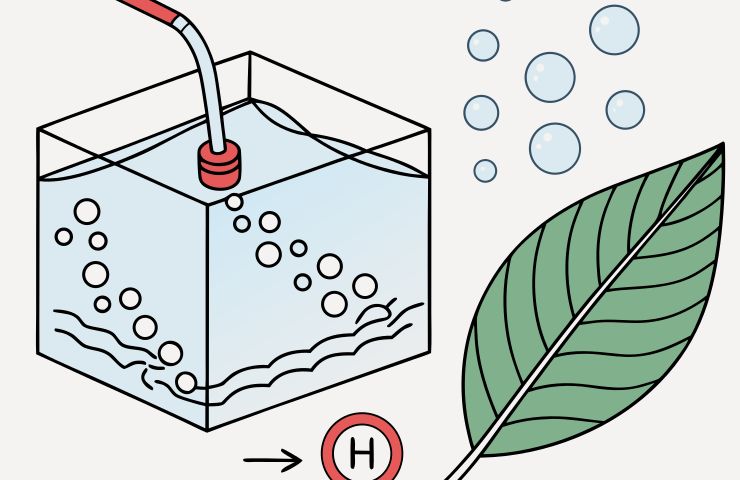
Fuel Cells Works caught wind of this breakthrough earlier this month[1], and honestly, the way GIST engineers their catalyst’s microstructure is pretty slick. Instead of letting platinum atoms clump together like they normally do, they spread them out evenly on a custom substrate. The payoff? More spots for hydrogen to pop off, but without upping the overall platinum load. Small tweak, big potential payoff.
- Expanded Reaction Space: A porous, tailored substrate that keeps platinum atoms nicely separated so you get way more active spots.
- Enhanced Electrolysis Efficiency: Better platinum exposure means you use less juice (electricity) to pump out the same amount of green hydrogen.
- Cost Reduction: Fewer wasted atoms at the atomic level translates into potentially lower upfront costs for electrolyzer stacks.
- Fuel Cell Technology Synergy: This optimized catalyst doesn’t just help in the electrolyzer—it’s a win for fuel cell technology in cars and stationary power setups.
- Policy and Infrastructure Alignment: Cleaner, cheaper hydrogen plays nicely with government plans and could steer more investment towards clean energy.
Expanding the Reaction Space
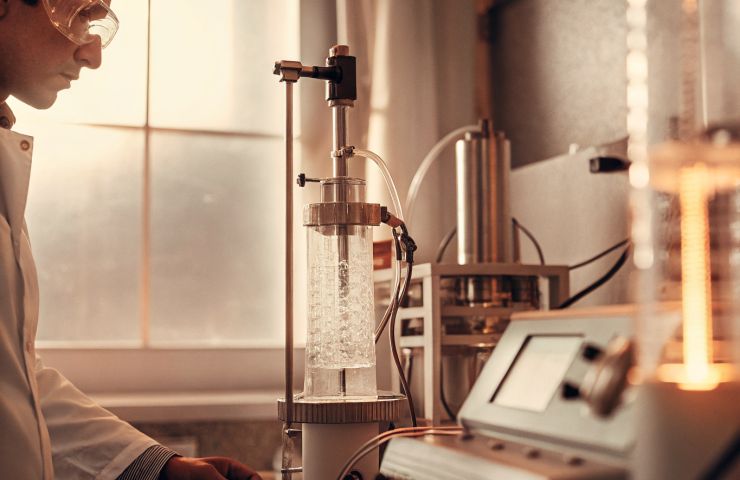
What really sets this work apart is how those precious platinum atoms are laid out on the catalyst surface. In the old-school approach, nanoparticles like to clump together, which kills their effective surface area. But GIST’s team flipped that script. They crafted a substrate with just the right porosity and surface energy, coaxing each platinum atom to spread out evenly. The payoff? Every atom gets better access to water molecules, boosting the hydrogen evolution reaction (HER). Even though they’re still ironing out the nitty-gritty details for peer review, early lab runs are already flashing higher current densities for the same platinum amount—that’s the holy grail for electrolysis performance.
The Significance of Platinum Utilization
Let’s face it: platinum-group metals have been the gold standard (pun intended) for electrocatalysis since forever, thanks to their top-notch activity and durability. But platinum is scarce and expensive, so wringing out even small efficiency gains can slice costs by double digits. GIST’s trick is all about making each atom pull its weight, instead of piling on more bulk metal. By getting more bang for every platinum buck, they’re cutting down on wasted material and speeding up payback times for anyone investing in green hydrogen electrolyzers.
Historical and Regional Context
If you look back, hydrogen electrocatalysts have gone from bulk metal plates to finely tuned nano-architectures, alloy tweaks, and even non-precious-metal contenders. South Korea’s been a heavyweight in this space, thanks to government moves betting big on a hydrogen economy. GIST, since its start in 1993, has climbed the ranks as a top research hub, teaming up with partners at home and abroad. They’ve already made waves with advanced membranes and high-performance electrode coatings. This latest breakthrough on reaction-space expansion just shows how basic materials research can lead to serious tech leaps.
Potential Impacts on the Hydrogen Economy
Boosting hydrogen production efficiency by just a few percent might not sound like much, but it ripples across the entire value chain:
- Mobility: If hydrogen costs drop enough, fuel cell electric vehicles (FCEVs) could start looking just as enticing as battery EVs.
- Industrial Decarbonization: Green hydrogen is poised to replace grey hydrogen in making ammonia, methanol and steel. A cheaper catalyst directly trims the levelized cost of hydrogen.
- Grid Balancing: Electrolyzers can act like sponges for excess renewable power. The more efficient the catalyst, the less electricity you need to make the same amount of hydrogen.
Across Asia, where countries are laying out hydrogen roadmaps and bankrolling infrastructure, these tech gains could speed up the rollout of commercial electrolyzer stacks.
Global Policy and Market Context
There’s real wind at hydrogen’s back thanks to supportive policies—from Europe’s big-picture hydrogen strategy to fat subsidies in the U.S. Inflation Reduction Act. Asian giants like South Korea, Japan and China aren’t sitting still either; they’re pouring billions into hydrogen hubs, production sites and export-ready supply chains. In that crowded landscape, a nimbler, more efficient catalyst can swing decisions on plant locations and fast-track the growth of hydrogen networks. And as governments tie incentives to performance, innovations like GIST’s could nab priority support or speedy green lights.
Next Steps and Commercialization
Of course, lab results are just the first lap. GIST is lining up peer-reviewed papers and long-haul durability tests next. Here’s the usual road to market:
- Pilot Testing: Scaling the catalyst up to bigger electrode sets and dropping it into prototype electrolyzers.
- Durability Assessments: Running the system non-stop for thousands of hours to make sure it holds up in real-world conditions.
- Manufacturing Scale-up: Locking in repeatable production methods for the catalyst substrate at industrial volumes.
- Industry Partnerships: Teaming up with electrolyzer makers, oil and gas outfits, and automakers to put the tech through its paces in different settings.
If everything checks out, we could see GIST’s catalyst in commercial electrolyzers in the next few years—potentially rewriting cost models for clean energy projects.
Environmental and Economic Benefits
Cutting back on platinum isn’t just a money-saver—it’s better for the planet, too. Mining platinum is energy-intensive and leaves a hefty environmental footprint. By making each atom do its job, GIST’s design shrinks both the cost and the resource footprint of green hydrogen. Economically, cheaper hydrogen means whole new industries can take off—think electrolyzer manufacturing, catalyst recycling services and hydrogen distribution networks—creating jobs and boosting local economies.
Looking Ahead
As we hit the gas on the clean energy transition, materials science keeps proving it’s one of the biggest levers for driving down costs. GIST’s next-gen catalyst is a prime example of how smart, atomic-level tweaks can unlock big wins. The real test will be how it performs in industrial electrolyzers and whether it scales smoothly. But for now, GIST has shown that expanding the reaction space—and making every platinum atom count—could be a total game-changer for the hydrogen economy. We’ll be watching closely as peer-reviewed papers pop up and pilot projects get rolling, because that’s when a lab breakthrough starts to reshape how we produce and use clean energy.
Reference: [1] “Next-generation catalyst technology that maximizes hydrogen production efficiency by expanding the reaction space,” Fuel Cells Works.