Green Hydrogen at the Heart of Egypt’s National Clean Hydrogen Program
Egypt’s SCZone and UNIDO launch a green hydrogen program in the Suez Canal zone, using solar- and wind-powered electrolysis to diversify the economy, create jobs and position the country as a clean energy exporter.
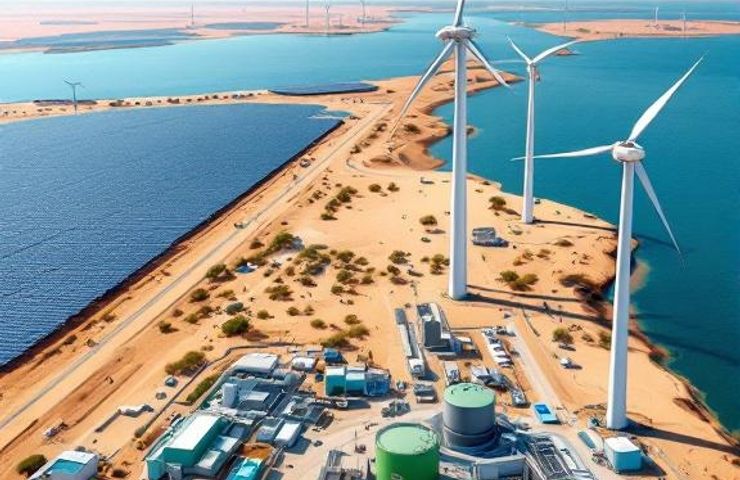
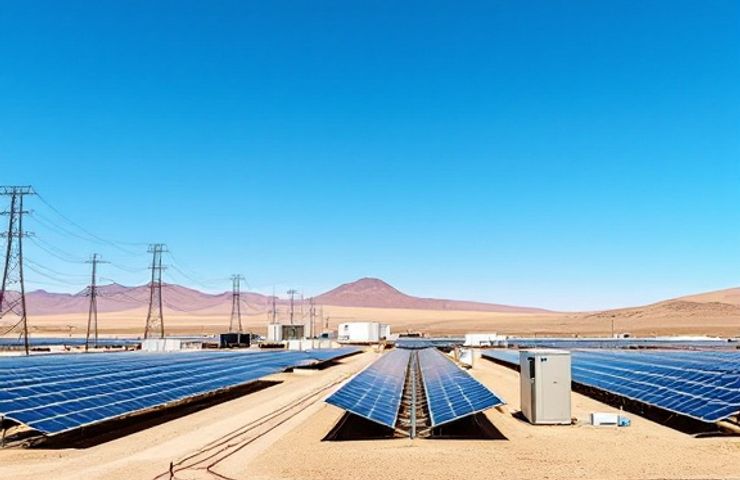
Picture this: a historic sea passage not just moving goods, but fueling the clean energy revolution. Along the sun-baked edge of the Suez Canal, the Suez Canal Economic Zone (SCZone) and UNIDO have joined forces to launch Egypt’s National Clean Hydrogen Program. It’s a clever twist on an old trade route—harnessing its might to ramp up green hydrogen output, back sustainable energy goals and unlock fresh economic lifelines.
A Strategic Pivot
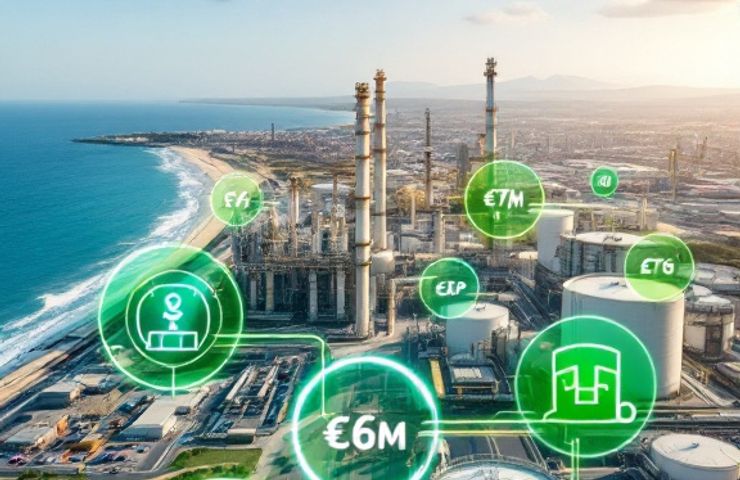
For generations, the Suez Canal has been Egypt’s golden goose, chalking up roughly 5 percent of national GDP and shouldering around 10–12 percent of global trade volume. Yet relying purely on tolls and tourism is risky business—a single geopolitical hiccup can stall the entire corridor. By weaving green hydrogen into the mix, Egypt aims to broaden its revenue streams, reel in fresh foreign direct investment and spark up to one million new positions in logistics, energy, manufacturing and related services.
How It Works
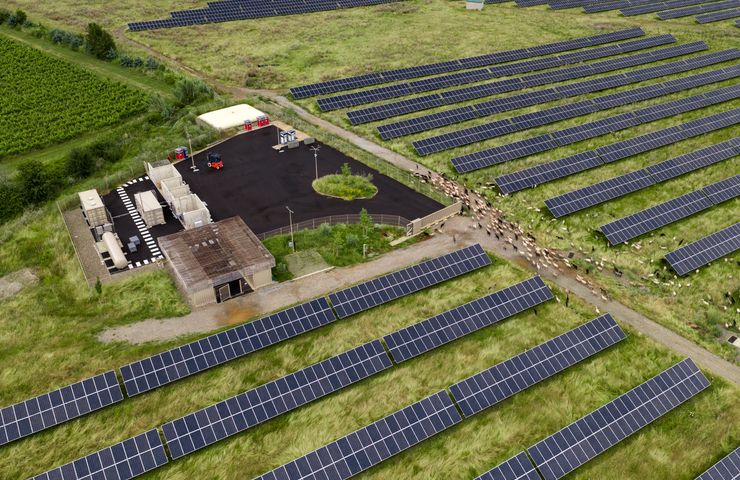
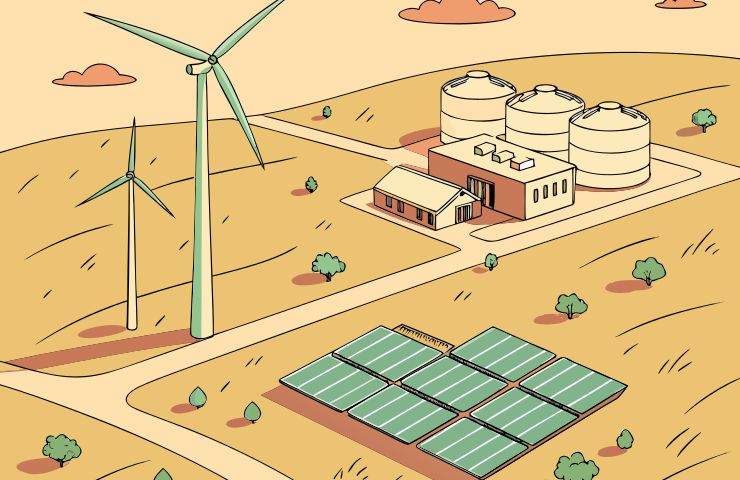
At its core, the program turns sunshine and wind into fuel thanks to electrolysis. Solar farms and wind turbines scattered across the SCZone’s arid expanse feed electricity into machines that split water into hydrogen and oxygen. This region’s perfect blend of sun, breeze and available land makes scaling hydrogen production a no-brainer. Once separated, the hydrogen gets compressed, stored in tanks or underground caverns, and piped to export terminals or snapped up by nearby factories and transit fleets. The result? A clean, carbon-free energy source that slots neatly into existing supply chains.
Ripples Beyond the Region
This isn’t just a local experiment. Global shipping guzzles millions of barrels of bunker fuel every year, and industrial powerhouses are scrambling to slash carbon footprints. By pitching itself as a rock-solid supplier of green hydrogen, Egypt stands to clip the world’s dependence on fossil-fuel transits—right now about 7–10 percent of all oil tankers float through the Canal. Clean hydrogen could step in across shipping lines, heavy industry hubs and power plants, carving a path to lower emissions and rewriting energy market dynamics from Rotterdam to Shanghai.
Historical Echoes
Since its grand opening in 1869, the Suez Canal has been a true game changer for global trade routes. Yet those mid-century closures—most notably in the 1950s and ’60s—were stark reminders that overreliance carries risks. The 2015 New Suez Canal upgrade gave capacity and revenues a welcome boost, but policymakers know the clock is always ticking. Now, the SCZone spans roughly 28,000 hectares of reclaimed desert, hosting everything from logistics parks and ports to new towns—and soon enough, dedicated hydrogen hubs.
Economic and Social Upsides
Turning the SCZone into a green hydrogen powerhouse isn’t just a win for energy charts. It could revive agriculture on formerly barren land, shore up food security and spur urban growth for millions. Imagine vibrant new communities popping up around electrolyzer plants and hydrogen terminals. Investors are already circling, drawn by the region’s strategic crossroads linking Asia, Europe and Africa. With UNIDO bringing its industrial development expertise, Egypt is streamlining permits, tightening investment safeguards and rolling out training programs so local talent can ride the green wave.
Challenges and Uncertainties
Let’s be real: scaling large electrolyzer parks and stitching together robust hydrogen infrastructure networks won’t happen overnight. Equipment supply chains still have kinks to iron out, and banks want solid regulatory guardrails before writing big checks. Regional security tensions can also drive up shipping costs—historical spikes of around 20 percent are no joke when the Red Sea route gets choppy. Plus, feeding endless electrolysis needs extra grid capacity and storage fixes to keep the lights on when the sun dips or the wind dies down.
The Road Ahead
For now, the National Clean Hydrogen Program is in its infancy—frameworks are drawn, but exact output targets and timelines remain under wraps. Everyone from energy groups to policy wonks is itching to see pilot projects and tender notices hit the street. What’s clear is Egypt’s ambition to weave into future hydrogen infrastructure grids: picture pipelines snaking to Mediterranean ports, ammonia plants for easier shipping and exclusive supply deals with European utilities racing to decarbonize. Success here could rewrite the country’s energy playbook.
If everything clicks into place, Egypt could tap roughly $100 billion a year in payoffs—from bustling logistics hubs and energy exports to industrial expansion. Short-term wins might include technology transfer, local skills development and more reliable domestic power for homes and businesses. But don’t gloss over the caveats: global markets for hydrogen production are still finding their footing, electrolyzer costs need to keep dropping, and policy winds can shift on a dime.
Still, the SCZone-UNIDO partnership sends a powerful message: age-old trade arteries and sustainable energy innovation can join forces. The next time you spot a tanker threading through the Suez, consider this—it might be carrying more than crude. It could be shipping the fuel of tomorrow.