Schneider Electric and Microsoft Harness AI for Hydrogen Production
Schneider Electric and Microsoft have partnered to deploy AI-powered automation across industrial sites, aiming to enhance efficiency and accelerate green hydrogen production.
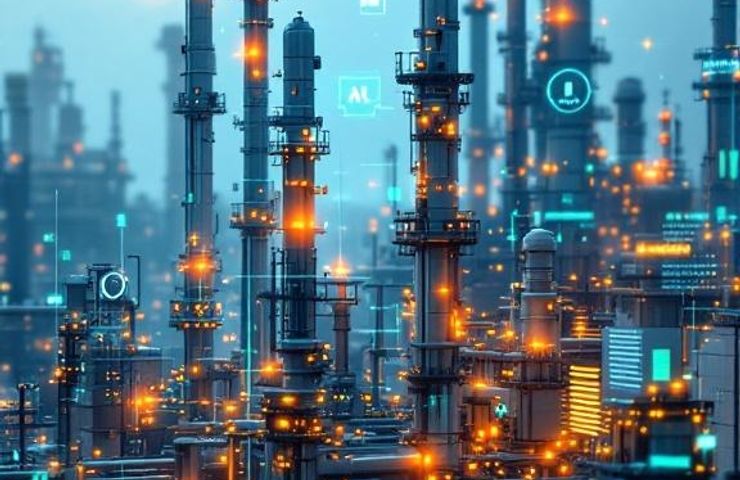
You might not expect a French energy tech titan to buddy up with a US software powerhouse when talking about hydrogen production and industrial decarbonization. But on April 9, 2026, Schneider Electric and Microsoft threw a curveball: they’re teaming up to modernize complex industries via AI-powered open software-defined automation. At its core, this partnership aims squarely at green hydrogen and boosting efficiency in industrial plants.
A New Alliance for Industrial Efficiency
Think of it as the best of both worlds—Schneider Electric brings decades of electrification, automation and energy management know-how, while Microsoft flexes cloud smarts, AI prowess and digital service chops. As FuelCellsWorks reported, the two are cooking up interoperable, software-driven tools that fine-tune processes in real time—whether that’s predicting when a conveyor belt needs tweaking or cranking up electrolyzer performance in hydrogen production plants.
How AI-Powered Automation Fits In
“Open software-defined automation” might sound like jargon, but it boils down to creating flexible, scalable control systems built on common software rules. Layer on AI, and operators can sniff out inefficiencies, forecast equipment glitches before they strike and juggle energy flows dynamically. The result? Less downtime, lower costs—and that’s a win for any energy-hungry sector.
Deep Dive into the Automation Stack
The magic happens by untethering control logic from hardware so software updates and AI tweaks roll out without swapping physical gear. Picture AI models in Azure crunching live data from sensors—temperature, pressure, energy draw, vibration—to dial in optimal settings. That means you get maintenance alerts days or even weeks in advance instead of scrambling after a surprise shutdown. Plus, since it’s all built on open standards, different vendors’ devices chat seamlessly, slashing integration headaches.
Putting Green Hydrogen Production Center Stage
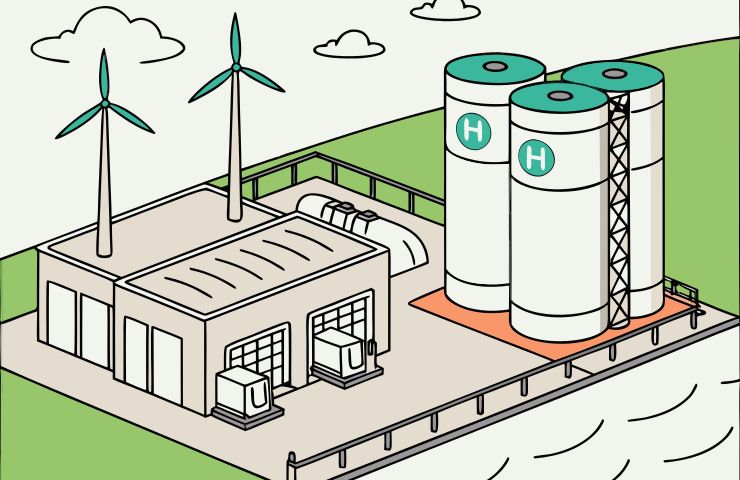
Green hydrogen, made by electrolysis powered with renewables, is stealing the spotlight. In this partnership, the automation software will zero in on boosting electrolyzer efficiency, regulating power input and syncing with on-site renewables. They’re keeping exact targets under wraps, but the mission is to scale up clean hydrogen production at both industrial sites and utility-scale facilities.
Electrolysis Under the Microscope
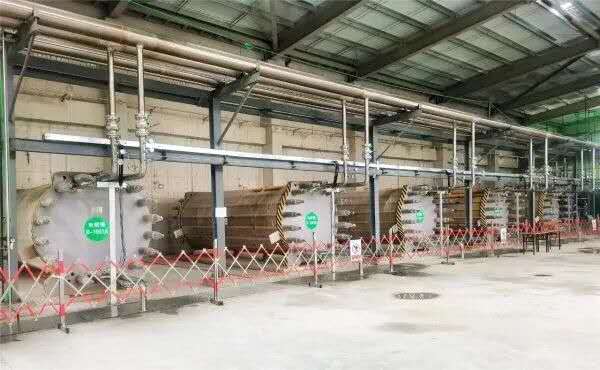
Electrolyzers drive green hydrogen by splitting water into hydrogen and oxygen, but inefficiencies—from fluctuating renewable inputs to membrane wear—can eat into performance. By weaving AI analytics into the mix, Schneider Electric and Microsoft plan to balance loads, predict component fatigue and schedule upkeep during downtime windows. The goal? Squeeze as many kilos of H₂ out of each megawatt-hour of renewable juice as possible—vital for competitive green hydrogen costs.
Strategic Impact on Decarbonization
This move dovetails with big trends like the EU Green Deal and the US Inflation Reduction Act, which pour incentives into clean hydrogen projects. Industries from steelmaking to chemicals could leapfrog to zero-emission tech by tying in AI-driven controls. And with demand for green hydrogen soaring—as a feedstock and a storage medium—the timing couldn’t be better.
Financing and Policy Tailwinds
Cash and policy support are singing in harmony. Europe’s Green Deal offers grants for hydrogen pilots, while the US’s Inflation Reduction Act hands out tax credits for clean hydrogen. Schneider Electric and Microsoft say they’re in active talks with regulators and potential offtakers—companies that’ll buy the H₂—to line up financing for pilot projects. No public numbers yet, but early regulatory buy-in could grease the wheels for a smoother rollout.
Historical Roots and Converging Paths
Schneider Electric’s story began in 1836 making steel and munitions. Fast-forward through key acquisitions—Square D, APC, AVEVA—and you get an automation heavyweight. Microsoft, meanwhile, evolved from desktop software to a cloud-first, AI-driven giant with Azure powering digital twins and IoT. So this mash-up of Schneider’s operational tech expertise and Microsoft’s software ecosystem feels like a natural next step.
Collateral Impacts: Jobs, Supply Chains and Regulation
Beyond trimming downtime and energy bills, the partnership could ripple across labor markets and supply chains. Automating routine maintenance might nudge workers toward data analytics and oversight roles. Cleaner hydrogen production helps regions dial down fossil fuel reliance—think geopolitical ripple effects. And expect regulations to evolve, championing modular, software-driven hydrogen projects once early success stories emerge.
Lessons from Comparable Initiatives
They’re not alone in marrying AI with clean energy. Earlier this year, a big European utility piloted AI controls in a solar-to-hydrogen demo, while oil & gas outfits are shifting refineries to cloud platforms. What sets Schneider Electric and Microsoft apart? Their open, vendor-neutral approach—making it easier for smaller players to ride the green hydrogen wave.
Digital Twins and Ecosystem Integration
Enter digital twins: virtual replicas of physical systems running in the cloud. By feeding sensor data into AI models, operators can run “what-if” tests in a zero-risk sandbox—what if wind output dips, or a valve sticks when power prices spike? That level of foresight used to be reserved for big players. With modular, cloud-hosted software, you can scale from sprawling utility projects down to mid-sized manufacturers.
Challenges on the Horizon
Of course, rolling out fancy automation has its bumps. Upfront costs can be hefty, and cranking AI models amps up compute (and energy) needs. Legacy equipment and older IT setups can throw wrenches into the works. Still, Schneider Electric and Microsoft reckon that open standards and modular software will smooth integration and make future upgrades a breeze.
Looking Ahead
As we cruise toward 2030, partnerships like this one could be linchpins for scaling up sustainable energy solutions and shoring up industrial resilience. We’ll be watching for hard data on uptime boosts, energy savings and hydrogen yields. If everything clicks, this team-up between a European energy maestro and a Silicon Valley software whiz might just sketch the blueprint for net-zero industrial operations.
About the Companies
Schneider Electric, founded in 1836, is a Paris-based leader in electrification, automation and digitalization. In fiscal 2024 it booked €38.15 billion in revenue, employs around 160,000 people worldwide, and topped the Corporate Knights Global 100 list for sustainability in 2025.
Microsoft, headquartered in Redmond, Washington, is a global tech powerhouse known for its cloud platform Azure, AI research and enterprise software. Lately, it’s been doubling down on industrial digital services, aiming to infuse energy and manufacturing with next-gen AI innovations.