Green Hydrogen Africa: AfDB’s SEFA Launches $20 Million Call for Proposals
AfDB’s SEFA this month opened a USD 20 million Call for Proposals under its Green Hydrogen Programme, offering grants for feasibility, design and advisory services to fast-track private green hydrogen projects across Africa.
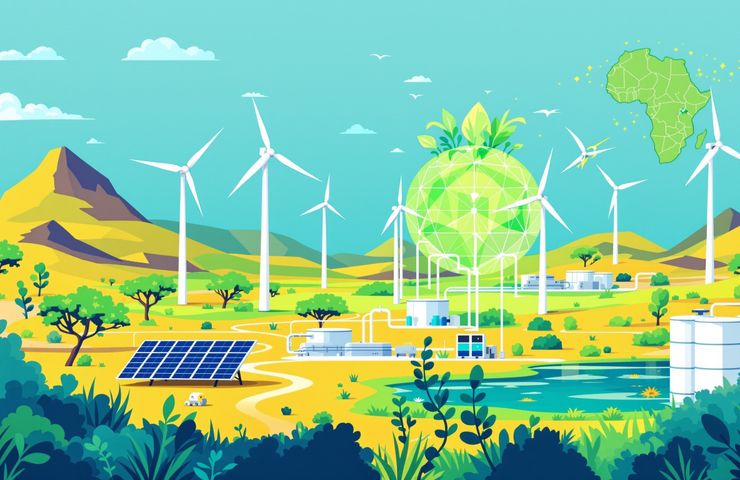
Chances are you’ve caught wind of the latest move from the African Development Bank: they've opened a competitive Call for Proposals under the SEFA Green Hydrogen Programme. With a cool USD 20 million on the table for pre-investment financing, they’re aiming to light a fire under green hydrogen Africa projects and their offshoots. The goal? To slash early-stage risks, boost project bankability and rally private investors around what might be a game-changer for industrial decarbonization.
Background of AfDB and SEFA
Since 1964, when it set up shop in Abidjan, the African Development Bank has been a powerhouse for funding Africa’s growth—everything from highways and schools to power plants. Lately, its focus has shifted toward renewable energy funding, backing huge solar arrays, wind farms and off-grid mini-grids. That’s where the Sustainable Energy Fund for Africa (SEFA) comes in: a dedicated pool of grants and expertise designed to attract early-stage capital. Thanks to a fresh boost from the German government late last year, SEFA is now charging full steam into green hydrogen.
Over the years, SEFA’s mix of donor grants and hands-on advisory support has helped bridge the notorious “pilot-to-scale” gap for clean energy ventures—from utility-scale solar in North Africa to hybrid power in West Africa. Those real-world wins are exactly what shaped the blueprint for the SEFA Green Hydrogen Programme, making sure it’s grounded in practical lessons.
What the Call for Proposals Covers
This open invitation is for private developers across the continent with big ideas in green hydrogen production or derivative uses—think green ammonia for fertilizers or low-carbon maritime fuels. Winners will snag reimbursable grants to cover crucial pre-FID steps: feasibility studies, detailed engineering designs, procurement prep and transaction advisory. SEFA plans to back three to five standout proposals, helping them transform rough concepts into bankable ventures.
Why Green Hydrogen Matters
Decarbonizing heavy sectors—steelmaking, cement, long-haul transport—has proved tough, but green hydrogen could be the missing link. By using renewables to split water molecules, you get zero-carbon hydrogen that can be stored, shipped or turned into ammonia and other derivatives. Given Africa’s abundant sun and wind, the region has a real shot at becoming a global hub for low-cost green hydrogen production, opening export markets and supplying clean feedstocks to local industries.
Strategic Impacts and Socio-Economic Benefits
One of the biggest payoffs is how this programme smooths out early uncertainties, making projects more appealing to private backers. Covering feasibility work and transaction advice effectively lowers the perceived risk, so capital starts to flow. That momentum can unleash entire new hydrogen value chains.
On the ground, green hydrogen Africa initiatives promise a raft of jobs—from engineering design and construction to operations and maintenance—while building local expertise. Zoom out, and you’ve got a recipe for diversified economies, stronger export pipelines and a meaningful contribution to global clean-energy goals.
Aligning with Africa’s Energy Agenda
The SEFA Green Hydrogen Programme ties directly into continental ambitions like the African Union’s Agenda 2063 and emerging national hydrogen roadmaps. By backing projects that span production, transport and end-use, it’s fostering regional integration and shared infrastructure. Imagine cross-border hydrogen corridors that bring costs down and broaden access—while keeping Africa on track with its Paris Agreement commitments.
Challenges and How SEFA Addresses Them
Scaling green hydrogen isn’t without its hurdles: you need robust renewable grids, reliable water sources and dedicated storage or pipelines, plus clear regulations and local technical know-how. SEFA’s pre-investment support tackles these head-on—building capacity, setting quality benchmarks and working with governments to design incentives like offtake agreements or tariff structures.
Voices from AfDB
Dr. Daniel Schroth, Director of the Renewable Energy and Energy Efficiency Department at AfDB, nails it: these green hydrogen projects are “critical to driving socio-economic development and positioning Africa as a key player in global clean energy transitions.” His words underscore why the bank is so committed to this push.
Next Steps and Timeline
If you’re sitting on a green hydrogen concept or derivative idea, now’s the time to dig into SEFA’s online guidelines and get your proposal in before the deadline early next month. Submissions will be evaluated on technical rigor, financial structure and environmental and social safeguards. Proposals that weave in community engagement, gender equity and local content plans are bound to stand out.
Once selected, projects will go through a detailed due diligence process with AfDB specialists and external experts. By the time Final Investment Decisions roll around, each proposal will have been vetted for both viability and impact.
Conclusion
By putting USD 20 million on the table, the African Development Bank has made it clear that green hydrogen Africa isn’t just a buzzword—it’s a priority. This SEFA initiative is set to de-risk early stages, attract private capital and lay the foundations for sustainable value chains. In the end, Africa’s huge renewable resources, paired with targeted funding and advisory support, could turn the continent into a global clean-energy powerhouse.