Hydrogen for transport
Hydrogen Fuel Cells Power Next-Gen Off-Highway Machinery
Bosch Rexroth and Kawasaki Heavy Industries plan to integrate hydrogen fuel cells into off-highway machinery, targeting zero-emission powertrains for construction, mining and agriculture sectors.
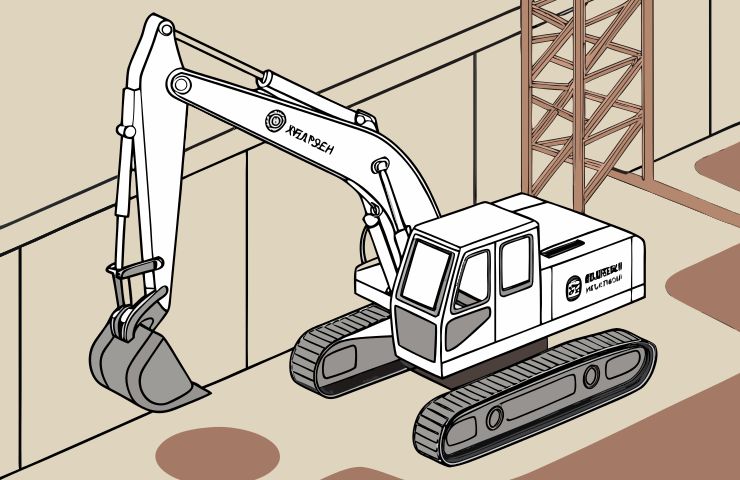
Can hydrogen power the heavy machinery that shapes our cities and tills our fields? Bosch Rexroth and Kawasaki Heavy Industries think it can. In a joint announcement via Fuel Cells Works, they’ve kicked off an R&D partnership to slot advanced hydrogen fuel cells into off-highway machine drives. From excavators to wheel loaders, the goal is simple: swap out diesel generators for zero-emission powertrains that can handle the torque and duty cycles of construction, mining and agriculture.
Kawasaki Heavy Industries is a Japanese powerhouse founded in 1896, active in aerospace, energy systems and hydrogen solutions.
A partnership built on complementary strengths
This collaboration brings together Bosch Rexroth’s decades of know-how in hydraulics, electronics and automation for rugged environments with Kawasaki Heavy Industries’s leadership in fuel cell technology. Bosch Rexroth—a unit of Robert Bosch GmbH since 2001—has been test-driving mobile hydrogen solutions in forklifts since around 2020. Kawasaki, a century-old Japanese giant, rolled out commercial hydrogen engines in 2024 and has been refining fuel cell systems for marine, rail and power-generation projects. By marrying drive and control expertise with Kawasaki’s hydrogen stacks, the partners aim to speed up a shift off diesel in off-highway markets—an area coming under stricter emissions scrutiny thanks to policies like the EU Green Deal and the US Infrastructure Act. They’re not just playing catch-up; they want to help shape the future standards for hydrogen integration and position themselves as frontrunners in the emerging zero-emission heavy-equipment space.Industry drivers and sustainability goals
Non-road machinery—think bulldozers, harvesters and loaders—accounts for nearly 40% of CO₂ emissions across the EU’s mobile fleet. Regulators are tightening the screws, and customers are demanding greener solutions. Yet alternatives to diesel have their own headaches: battery-electric setups can strain under heavy loads, while hydrogen fuel cells pack higher energy density and allow for quick refueling. On top of that, industrial decarbonization is rapidly becoming a competitive edge. Companies are eager to slash lifecycle emissions and hit corporate net-zero targets. This partnership taps into the rising momentum around hydrogen production from renewable sources and the rollout of green hydrogen infrastructure in Europe, North America and parts of Asia—fueling the broader push toward sustainable energy.From lab benches to job sites
Hydrogen fuel cells date back to William Grove’s 19th-century experiments, but real-world traction didn’t come until cars like the Toyota Mirai rolled out in the mid-2010s. On the off-highway front, Bosch Rexroth kicked off pilot tests with hydrogen-powered forklifts around 2020, and Kawasaki moved into commercial hydrogen engines in 2024 for energy and marine uses. Now, they’re combining those early wins with fresh insights on how cells behave under heavy workloads and harsh conditions.Technical approach and early goals
Though they’re keeping the full technical roadmap under wraps, the plan is to blend Kawasaki’s fuel cell stacks with Bosch Rexroth’s bodas ecosystem of controls and hydraulics. Here’s how it works: hydrogen splits at the anode into protons and electrons; the electrons travel through an external circuit to drive electric motors, while the protons pass through a membrane and recombine with oxygen to produce water and heat. On a tough job site, that means instant torque, whisper-quiet operation and drastically lower tailpipe emissions compared to diesel engines. The system is designed with modularity in mind, so OEMs can drop it into different machines without reinventing the wheel.Mapping the roadmap
Dubbed the Off-Highway Hydrogen Collaboration, this effort is still hush-hush on timelines and budgets. Over the next few months, engineers will zero in on systems integration and bench testing—making sure Kawasaki’s stacks play nicely with Bosch Rexroth’s controls and hydraulic modules. After that, field demos at controlled sites will put these machines through their paces, gathering crucial data on performance, durability and refueling cycles. That data will be the linchpin for meeting emerging emissions regulations and safety standards, guiding certification and compliance. Expect early prototypes to pop up at major industry events, followed by OEM partnerships to tailor the systems for specific excavators, tractors or material handlers. No production targets have been nailed down yet, but both companies are chomping at the bit to move fast once the technical puzzle pieces fit together.Securing the ecosystem
It’s not just about the machines—you need a reliable green hydrogen supply chain to make this work. Both partners plan to team up with low-carbon hydrogen producers, hunting for off-grid renewable power sources to keep lifecycle emissions near zero. They’ll also train service crews to handle high-pressure storage and maintenance, so refueling stays safe and dependable, even in remote or harsh environments.Potential impacts and challenges
If everything clicks, this project could deliver:- Major CO₂ reductions across construction, mining and farming operations
- New local jobs in green tech manufacturing and hydrogen supply chains
- A halo effect for broader sustainable energy adoption in industrial sectors
Raising the bar for zero-emission technology
This collaboration could set a new standard across heavy-duty equipment sectors, inspiring others to explore hydrogen for cranes, drills and compact loaders. As manufacturers chase lower operating costs and tougher decarbonization targets, integrated solutions like this one might become the new normal. In an industry where every machine adds up, swapping diesel for hydrogen could rewrite the rulebook on job-site emissions.The road ahead
As they roll into the prototype phase, all eyes will be on the nitty-gritty—how fast can these machines refuel, what do maintenance intervals look like, and will the total cost of ownership truly outdo diesel? Early test results will sway customer enthusiasm and could open the door to premium service contracts for firms eager to shrink their carbon footprints. Yet engineering feats alone won’t seal the deal. They’ll need the right policies, incentive schemes and a robust hydrogen infrastructure to turn lab-born promise into real-world performance—without sacrificing productivity or reliability.About the Companies
Bosch Rexroth is a German automation whiz under Robert Bosch GmbH, renowned for hydraulic and electronic drive systems in mobile machinery.Kawasaki Heavy Industries is a Japanese powerhouse founded in 1896, active in aerospace, energy systems and hydrogen solutions.
How was this article?
Thanks for the feedback!