Hydrogen Production in Castilla y León: Ansasol Secures Environmental Authorization for Two Renewable Plants
Ansasol secures environmental authorization to build two green hydrogen plants in Zamora, Castilla y León, advancing Spain’s hydrogen production targets under EU strategy.
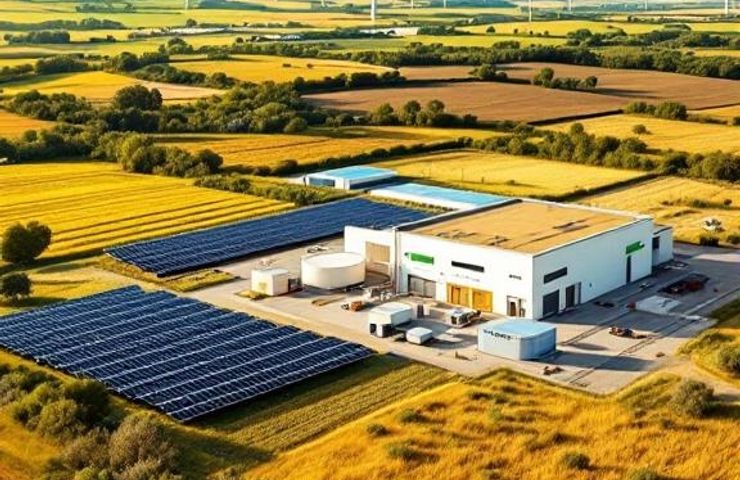
Ansasol, a Spanish renewable energy developer, has just scored environmental approval to build two new green hydrogen production plants in the countryside of Zamora, Castilla y León. It came through at the end of last month and basically gives them the go-ahead to push ahead under Spain’s National Hydrogen Roadmap. It’s a great nod to the region’s renewable chops and lines up perfectly with the EU’s 2020 Hydrogen Strategy and REPowerEU push. Folks in the industry will be keeping an eye on how Ansasol meshes these new sites with its wind and solar assets scattered around the area.
Project Details
The two facilities, tucked just outside Zamora city limits, will run off locally generated wind and solar power to feed the electrolyzers. While exact capacity figures and build-out schedules are still under wraps, Ansasol says they’ll split water into hydrogen and oxygen using good old electrolysis. Having two plants gives them operational wiggle room: if one’s running low on sun, the other can pick up the slack. They snagged environmental approval after a deep dive into land use, water sourcing, and ecological impact—one of the last big hurdles before greenlighting final investments. With over 8 GW of wind already humming in Castilla y León, there’s plenty of clean juice to funnel into hydrogen production.
Technology at a Glance
At its heart, this is all about electrolysis. By zapping water with electricity, electrolyzers break H₂O into hydrogen, which you can store or ship off, and oxygen, which goes right back into the air. When the juice comes exclusively from renewables, you end up with true green hydrogen—zero direct carbon emissions. Ansasol plans to hook its electrolyzer stacks to photovoltaic panels and wind turbines, tapping into the region’s high solar irradiance and steady breezes. The design is modular, so capacity can grow piece by piece as demand picks up and policy incentives evolve.
National and EU Strategy
Spain’s 2020 National Hydrogen Roadmap set the bar at 100 MW of electrolyzer capacity by 2025 and a hefty 12 GW by mid-century. On the EU front, under the broader Hydrogen Strategy and REPowerEU framework, Madrid is aiming for at least 4 GW of domestic electrolyzers by 2030 to feed industrial hubs and the mobility sector. Ansasol sealing this approval is a clear sign that national and EU funds—think Recovery and Resilience Facility—are flowing into strategic sustainable energy and green hydrogen projects.
Regional Context
Zamora is better known for its rolling farmland, Romanesque churches, and a population of around 180,000. But its rivers, open plains, and plateaus make it prime real estate for big renewable developments. Over the past few years, wind and solar farms have sprouted up, giving the local economy a lift and spawning new technical roles. Regional leaders are all for anything that helps stem rural depopulation, and Ansasol promises to broaden local incomes beyond just farming.
Economic Implications
For Castilla y León, these plants could translate into construction gigs, permanent operations positions, and a ripple effect through supply chains. Analysts reckon green hydrogen will fetch premium rates in heavy-industry decarbonization and transport, pumping up regional revenues. Exact investment figures are under wraps, but getting this environmental thumbs-up clears the runway for funding rounds, engineering contracts, and construction planning. That kind of activity should give a boost to local firms—from logistics outfits to maintenance providers—strengthening the province’s industrial backbone.
Environmental and Resource Considerations
Water use often gets flagged as a concern with electrolysis projects. Ansasol’s environmental report lays out plans to tap existing river abstraction points, keeping competition with farmers in check. And by relying on renewables, they slash the carbon footprint compared to grey hydrogen. They’ve done the homework to avoid sensitive habitats, all under local conservation rules. Any leftover brine or other waste streams should stay within legal limits, though the final engineering specs will set the exact parameters.
Industry Impact and Supply Chain
This approval lands just as global demand for electrolyzers is shooting up. Manufacturers of proton exchange membrane stacks, power electronics, and balance-of-plant components are ramping up production. Spain is eager to build homegrown supply chains under its IPCEI framework, and initiatives like Ansasol’s are prime candidates for grants or low-interest loans. That could lure component makers to set up shop nearby, cutting logistics times and costs for future rollouts. All of this feeds Europe’s drive for strategic autonomy in clean-tech manufacturing.
Challenges and Considerations
It’s not all smooth sailing. Grid connections need upgrading to handle the extra load, meaning close coordination with network operators. Market rules for hydrogen production and offtake are still evolving under EU regulations, so pricing and contract structures might shift. Ansasol will have to nail down power purchase agreements (PPAs) to keep electricity costs competitive. Plus, there isn’t a big local hydrogen-demand cluster yet, so they may need to explore exports or interregional supply in the near term.
Looking Ahead
Bottom line: Ansasol’s green light isn’t just about two new facilities—it’s a sign of rural Spanish provinces pivoting toward industrial decarbonization hubs. As the project moves from approval to investment decision, everyone will be watching the financing models, technical partners, and offtake deals. If it all comes together, this could become a blueprint for similar green hydrogen developments across Europe—blending deep renewable portfolios with next-gen production to power the next wave of clean-energy jobs.
Source: El Economista