Luxaviation Embraces Sustainable Aviation with Hydrogen-Electric Jets
Luxaviation has signed on as the launch operator for Beyond Aero’s hydrogen-electric Beyond ST, marking a pivotal step in sustainable aviation with fuel cell propulsion.
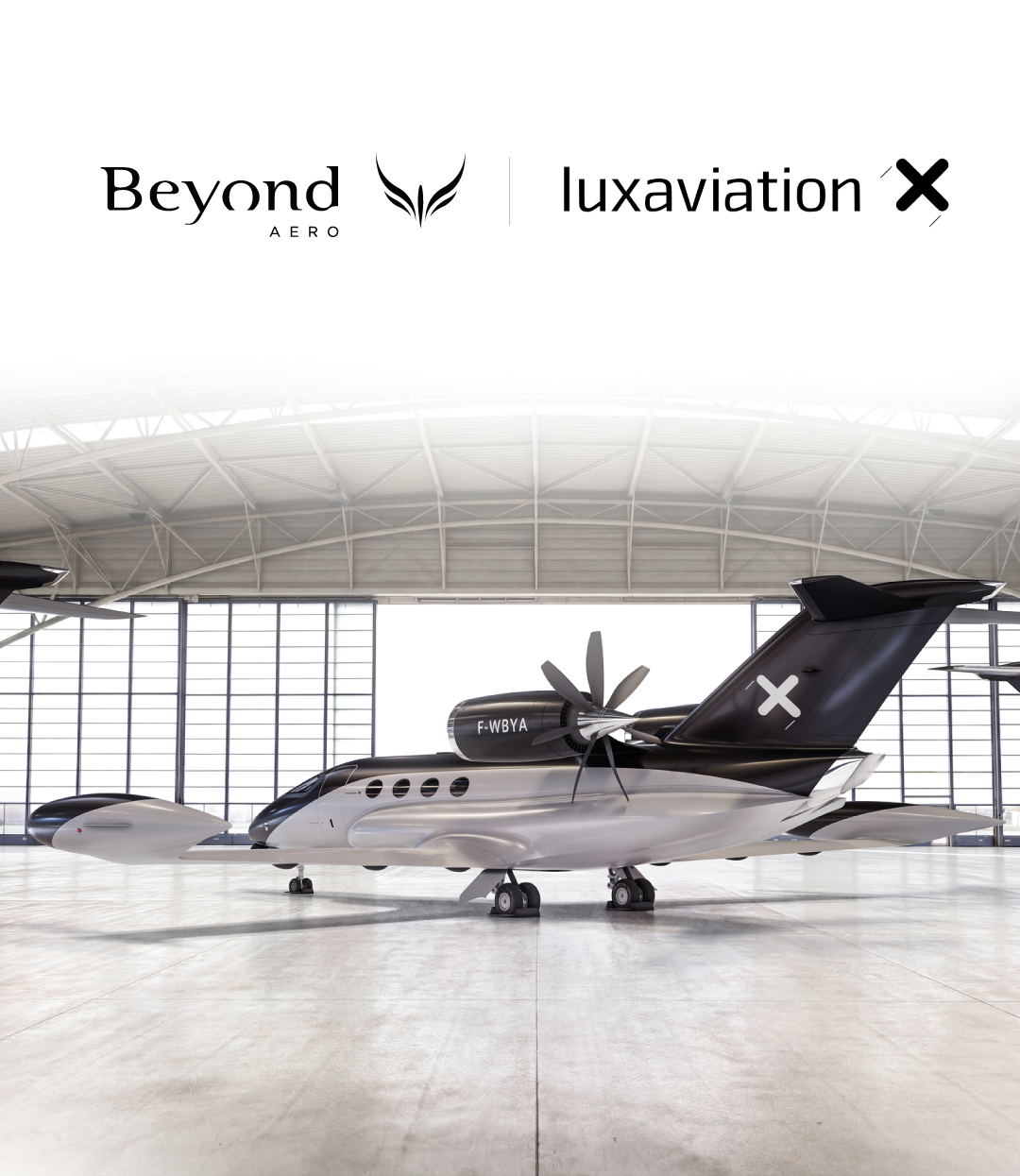
Not many operators dive headfirst into unproven tech, but Luxaviation just threw down the gauntlet by signing up as the launch operator for Beyond Aero’s hydrogen-electric business jet. And this isn’t just PR fluff—it’s a bold wager on sustainable aviation and a real-world test of hydrogen-electric propulsion beyond the lab.
Core Deal
Just last week in France, Luxaviation Group—Europe’s top private aircraft operator—inked a pact to bring the yet-to-be-certified Beyond ST into service as its inaugural hydrogen-electric jet. Since 2008, this Luxembourg-based outfit has grown its fleet to over 300 aircraft, and now it’ll own the ops and crew training for the prototype. They’re tight-lipped on the money side, but one thing’s clear: Luxaviation is staking its claim as a trailblazer in zero-emission technology for private flight.
What It Means
Business aviation isn’t exactly known for its low-carbon creds—per passenger, it can pump out about 14 times more emissions than standard airliners. This tie-up is a much-needed gut check. If Beyond Aero pulls off large-scale integration of hydrogen fuel cells, fleets could swap jet kerosene for clean green hydrogen, docking neatly with the EU’s net-zero ambition. Of course, regulators will be circling this certification process with binoculars. Nail it, and you’ll likely see a wave of fresh venture capital plus a push to build out hydrogen stations at airports.
Technical Edge
Peek under the skin of the Beyond ST, and you’ll find a marriage of hydrogen fuel cells and electric motors, with extra juice tucked away in batteries for that extra boost during takeoff. Think of it as a carefully choreographed hybrid routine: hydrogen and oxygen get cozy in the cell stacks, electrons zip to the motors, and out the back comes only water vapor—zero CO₂ in sight. Sure, the concept isn’t brand-new—it harks back to NASA’s 2000s testbeds and borrows bits from fuel cell trucks and buses—but the trick is squeezing in enough hydrogen without tipping the scales too much.
Market Dynamics
Business jet operators have been in the ESG hot seat for some time, and Luxaviation wading into this arena sends a loud message: customers and regulators are hungry for greener alternatives. Plus, this is a boost for the nascent green hydrogen market—it barely makes up 1% of global production today. If the program takes off, expect electrolyzer makers to line up, maybe even setting up shop at busy airports. Meanwhile, rival charter outfits will be dusting off their own hydrogen playbooks, plotting their next moves.
Risk & Hurdles
Let’s be real: hydrogen’s no silver bullet. It’s pricey to make, the supply chain’s patchy, and you’ll need purpose-built fueling stations at FBOs. Safety rules around cryo or high-pressure hydrogen are still being written, so certification could stretch on. Should Beyond Aero stumble, Luxaviation might be stuck with grounded jets. And don’t forget, investors have a short fuse—capital dries up the minute the project hits turbulence.
Strategic Angle
There’s a strategic sweet spot here—this partnership dovetails perfectly with the EU’s Clean Aviation program, which is targeting a 50% emissions cut by 2035. Beyond Aero scores major street cred with a big-name operator on board, and Luxaviation bolsters its green résumé in the world of sustainable aviation. You can bet the investor vultures will gather ’round. The icing on the cake? Early movers get to help write the rulebook on hydrogen regs and safety standards.
Historical Context
It’s worth remembering that hydrogen in flight isn’t a brand-new idea—NASA was tinkering with fuel cells back in the early 2000s. The Paris Agreement put the spotlight back on, paving the way for projects from ZeroAvia to Airbus’s ZEROe. Beyond Aero, founded in 2021, zeroed in on the private jet market—one of the fattest CO₂ emitters around. Luxaviation stepping up feels like the first real nod from a heavyweight operator after years of small-batch demos and lab prototypes.
Broader Impacts
If it works, this could kickstart a full-blown hydrogen economy at big hubs, slashing private jet lifecycle emissions in the process. Airports might even install their own green hydrogen farms—imagine electrolyzers humming away on wind or solar. But if H₂ stays expensive, the math gets ugly and the eco-benefits shrink. Worse, we could end up poaching clean hydrogen from steel mills or fertilizer plants unless production ramps up way beyond today’s trickle.
Operational Rollout
On the ground, Luxaviation intends to slot the Beyond ST into hubs like Toulouse, Geneva, and Zurich—where the first hydrogen pumps will get their shakedown runs. Pilots and mechanics will dive into training curriculums shaped by earlier turboprop hydrogen tests. On the tarmac, teams will team up with suppliers to fine-tune refueling—think spill-proof hangars, retooled safety drills for high-pressure tanks, and runway timetables that factor in longer fueling breaks.
Industry Comparisons
Sure, ZeroAvia has already clocked flight time with hydrogen-blend turboprops, and Airbus has dreamed up its ZEROe line. But neither has landed a deal with an operator of this size. That seal of approval could be a game-changer. Over in startup land, outfits like Universal Hydrogen are betting on modular gear to dodge infrastructure headaches. Ultimately, the big winners will nail both the tech and the logistics—teaming up fuel cell manufacturers, electrolyzer specialists, and airport bosses.
Capital & Funding
Money-wise, you can bet both sides will chase EU green funds and private equity to keep the ball rolling. Programs like Horizon Europe or Clean Aviation grants might foot some R&D bills, but the heavy lifting will fall on corporate ledgers. If Luxaviation ends up ordering more jets past the test phase, we’ll probably see classic aircraft financing deals sprinkled with green-loan perks.
Perspective
Let’s not get carried away with the fairy-tale ending. Hydrogen shines where batteries hit a wall—aviation definitely falls into that category—but we’re still talking moonshot territory. Luxaviation is playing it smart by hedging its bets rather than dumping its entire fleet into one tech basket. Until we land a fleet full of H₂ jets, this is more of an R&D gamble than a full-blown revolution. Buckle up—there’s still plenty of turbulence ahead.
Closing Insight
At the end of the day, this is a real litmus test for private aviation’s green credentials. If it hits, both old-guard and upstart players will be jostling to carve out hydrogen slots at every FBO. If it flops, hydrogen aviation risks slipping back into the idea pile. One thing’s for sure: the race to cut emissions in private flight just got a whole lot more interesting.