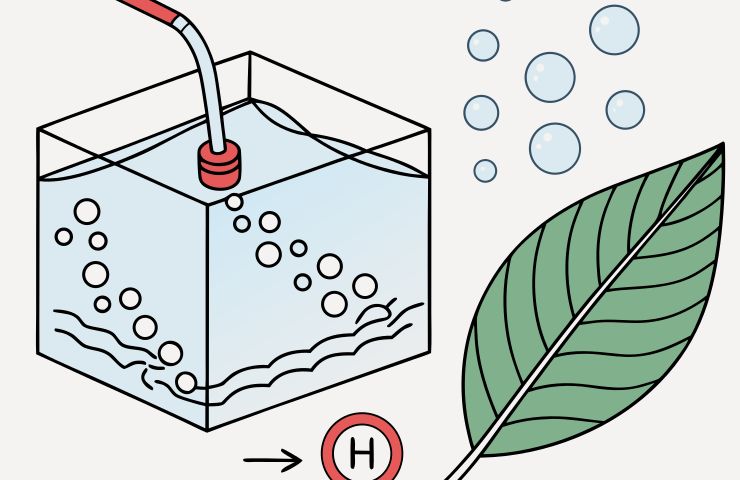
Perovskite Hydrogen Production: A Promising Route to Carbon-Free Fuel
National Geographic España spotlights a novel perovskite-based method for carbon-free hydrogen production, promising cost and emission reductions pending peer-reviewed validation.
Could Perovskites Unlock Affordable Green Hydrogen?
You’ve probably heard that most hydrogen today comes from steam methane reforming—handing us a nice dose of CO₂—or from pricey electrolyzers powered by wind and sun. But what if those same perovskite catalysts that pushed solar efficiencies past 25% could also split water more cheaply and cleanly? According to the National Geographic España piece, researchers are experimenting with photoelectrochemical and electrocatalytic setups that use perovskite layers to generate hydrogen with zero carbon output. Sounds pretty slick, right?
From Steam Reforming to Solar-Driven Splitting
Hydrogen’s been tagged as the fuel of the future for decades, yet it’s been a bit of a bumpy ride getting there. Back in the early 1900s, we leaned heavily on steam methane reforming—high-temperature steam plus natural gas, plus a hefty carbon bill. The past ten years gave rise to “green hydrogen” via electrolysis, but sky-high electricity costs and system complexities have kept large-scale rollouts in check.
Enter perovskite materials. Since about 2009, these star crystals have dazzled scientists with their low-cost fabrication and eye-popping light absorption in solar cells. By 2023, lab-scale perovskite photovoltaics smashed the 25% efficiency milestone, sparking a global R&D frenzy. Alongside other fancy tricks—high-temp electrolysis, concentrated solar thermal splitting—perovskites are now front and center in the quest for affordable, sustainable hydrogen.
Policy Winds at Our Backs
Governments from Europe to Asia to North America are sweetening the deal for green hydrogen. The EU’s Hydrogen Strategy is all about cranking up electrolyser capacity. In the U.S., the Inflation Reduction Act hands out fat tax credits for low-carbon hydrogen. Over in Asia, national roadmaps are pushing early movers to claim bragging rights as global leaders. Toss in corporate net-zero promises, and you’ve got a perfect storm for fresh ideas—like those perovskite-based systems—to snag funding and momentum.
Energy players are scrambling for an edge in a market that could be worth trillions. If perovskite hydrogen production can tick the boxes on carbon intensity and durability, it could slot nicely into green-credit schemes—though the fine print on lifecycle emissions and longevity still needs ironing out.
How the New Method Works
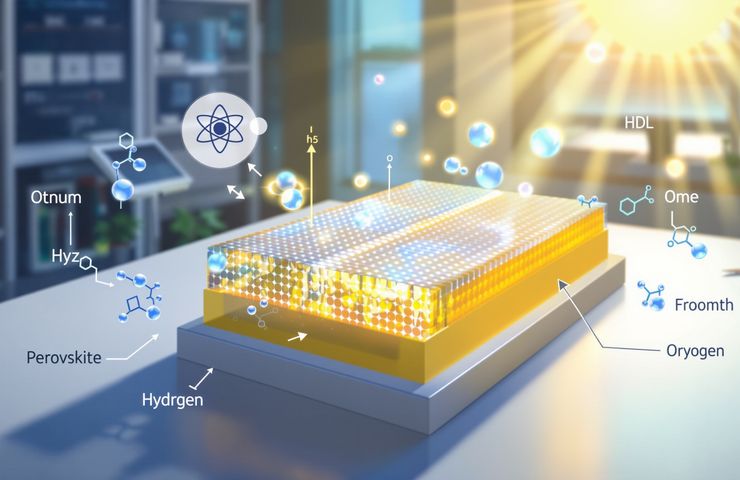
Here’s the nutshell version: a thin film of perovskite, fine-tuned to soak up a broad swath of sunlight, gets slapped onto an electrode. Sunlight excites electrons, which then drive the water-splitting reaction right at the surface. In some designs, you add a small external voltage—think of it as a little extra push—and the perovskite steps in as a superstar catalyst, or perovskite catalyst, to speed things up.
Why This Matters for Clean Energy
- Lower Capital Costs: Roll-to-roll manufacturing and low-temp coating for perovskites could slash the price tags compared to beefy electrolyser factories.
- Boosted Efficiency: Merging light capture and catalysis in one package could push solar-to-hydrogen conversion past the limits of separate PV plus electrolyzer setups.
- Zero Emissions: If you run the whole shebang on sunlight, you wipe out carbon output from H₂ production—huge for decarbonizing steel mills, shipping fleets, and power plants.
- Market Shake-Up: Analysts reckon the hydrogen economy could balloon into a multi-trillion-dollar arena. Early adopters here might just snag prime real estate.
Broader Implications and Collateral Benefits
- Heavy Industry Decarbonization: Sectors like steel, cement, and chemicals need high-temperature heat that electricity alone can’t always deliver. Hydrogen’s the clean alternative.
- Transport Overhaul: From city buses to long-haul trucks, a reliable, low-cost hydrogen supply could supercharge the fuel cell vehicle revolution.
- Energy Storage & Security: Hydrogen doubles as a long-duration battery, smoothing out the ups and downs of wind and solar generation.
- Jobs and Growth: Building out perovskite-based hydrogen plants and supply chains would spark a wave of engineering and manufacturing hires.
Challenges on the Road Ahead
Of course, lab breakthroughs don’t always translate into commercial gold. Perovskites can be finicky—moisture, heat, and UV light are their arch-nemeses, degrading performance in weeks or months. Throw water-splitting into the mix, and you’re layering on fresh stresses. Plus, some recipes rely on lead or scarce elements, which could raise supply-chain and environmental red flags.
Scaling from tiny test cells to multi-megawatt hydrogen factories is no small feat. You’ve got to nail process uniformity, corrosion resistance, encapsulation tricks, and seamless system integration. And without published figures on efficiency or device lifetimes, investors will be sitting on their hands until the data’s in.
Environmental and Material Considerations
Don’t forget the full lifecycle impact of perovskite materials. Lead-based perovskites bring up questions about safe handling, recycling, and disposal. Even lead-free variants might lean on rare metals, creating new bottlenecks. Rushing commercialization without robust recycling and environmental safeguards risks swapping one headache for another.
Next Steps to Watch
- Peer-Reviewed Publication: A detailed technical paper with device blueprints, performance stats, and lifecycle analyses is a must.
- Pilot Demonstration: A real-world, continuous-run prototype would go a long way in proving the concept.
- Industry Partnerships: Teaming up materials scientists with renewables firms and gas suppliers could speed up commercialization.
- Policy & Funding: Smart incentives and R&D grants will help de-risk those early projects.
- Integration with Hydrogen Hubs: Plugging into existing renewable-rich industrial clusters could fast-track deployment.
- Performance Targets: Hitting robust solar-to-hydrogen conversion rates and durability benchmarks is critical for commercial uptake.
At the end of the day, decarbonizing our energy systems demands fresh approaches. Whether perovskite-based hydrogen turns out to be the headline act or just a stepping-stone, combining solar harvesting with fuel production is a thrilling frontier. We’ll be watching every published study and pilot plant closely—this glimpse from National Geographic España might just be the opening scene in the next chapter of the hydrogen economy.